






🖊️ Post


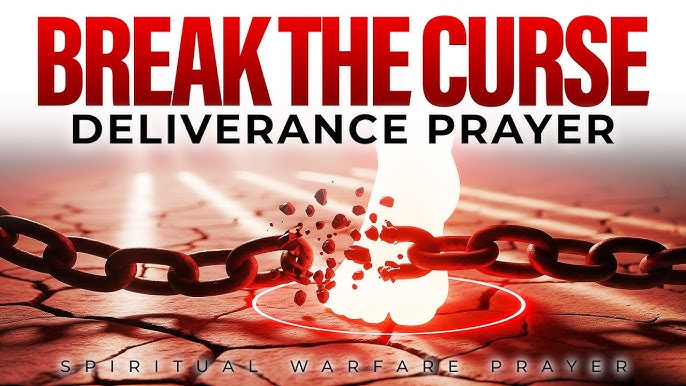
😈 Generational Curses, Spiritual Warfare, and Deliverance: What the Bible Actually Teaches
The idea of generational curses is one of the most misunderstood—and emotionally charged—topics in Christian theology. For some, it explains patterns of addiction, abuse, poverty, sickness, or repeated relational breakdown. For others, it sounds superstitious, fear-driven, or even anti-gospel.
So what does the Bible actually teach?
Are generational curses real? Do demons play a role? How do spiritual warfare and deliverance fit in? And most importantly—what authority does a believer have in Christ?
This post aims to be biblical, sober, and grounded—neither dismissing the spiritual realm nor exaggerating it.
What the Bible Means by “Generational” Consequences
Scripture does speak about sin affecting generations—but it does so carefully.
“I, the LORD your God, am a jealous God, visiting the iniquity of the fathers on the children to the third and fourth generation of those who hate Me.” — Exodus 20:5
This verse is often quoted to support the idea of generational curses. But it is rarely quoted with its balance.
Just a few chapters later, Scripture says:
“Parents shall not be put to death for their children, nor children put to death for their parents; each is to die for their own sin.” — Deuteronomy 24:16
And later still:
“The soul who sins shall die. The son shall not bear the guilt of the father.” — Ezekiel 18:20
So what’s happening?
The Bible distinguishes between:
-
Inherited guilt (which Scripture rejects)
-
Inherited consequences and patterns (which Scripture acknowledges)
Sin has momentum. Choices create environments. Trauma replicates behavior. Spiritual openness invites influence.
That’s not mysticism—it’s realism.
Patterns, Permission, and Spiritual Access
In Scripture, demons do not rule arbitrarily. They operate through permission, deception, and agreement.
Jesus repeatedly ties freedom to truth:
“You will know the truth, and the truth will set you free.” — John 8:32
Generational bondage often works the same way.
Not because a child is guilty of a parent’s sin—but because:
-
The sin normalized behavior
-
The environment shaped belief
-
Trauma trained the nervous system
-
Lies were internalized early
Deliverance ministers often describe this as generational access points, not automatic curses.
Demonic Oppression vs. Personal Responsibility
The New Testament never excuses sin by blaming demons—but it also never denies demonic influence.
“Give no foothold to the devil.” — Ephesians 4:27
A foothold implies:
-
An opening
-
A place of influence
-
Something granted, not imposed
Generational patterns can create those footholds long before a person understands what’s happening.
This is why Jesus healed and delivered people without first assigning blame.
Compassion precedes correction.
Deliverance in the New Testament Is Not Exotic
Deliverance is not presented as fringe or dramatic in the Gospels—it is normal ministry.
Jesus:
-
Cast out spirits
-
Healed bodies
-
Forgave sins
-
Restored identity
Often in the same encounter.
“The Spirit of the Lord is upon Me… to proclaim freedom for the captives.” — Luke 4:18
Notice the language: captives.
Captivity implies bondage—not possession, not ownership—but restraint.
Renunciation: The Missing Step
One of the most consistent elements in effective deliverance ministry is renunciation.
Renunciation means:
-
Rejecting lies
-
Breaking agreement with sin
-
Forgiving those who harmed you
-
Declaring Christ’s authority
This is not magic language. It is alignment.
“Submit yourselves to God. Resist the devil, and he will flee from you.” — James 4:7
Submission comes before resistance.
What Christ Actually Breaks
The New Testament is clear:
“Christ redeemed us from the curse of the law by becoming a curse for us.” — Galatians 3:13
This does not mean:
-
Consequences vanish instantly
-
Habits disappear overnight
-
Healing is automatic
It means authority has changed.
Deliverance is not about earning freedom. It is about enforcing what Christ already won.
Spiritual Warfare Without Fear
Biblical spiritual warfare is not paranoia.
It is:
-
Truth replacing lies
-
Light exposing darkness
-
Obedience closing doors
-
Christ reigning supreme
Paul’s instructions are defensive, not frantic:
“Stand firm.” — Ephesians 6:13
You don’t chase curses. You stand in Christ.
A Balanced Conclusion
Generational bondage is real—but it is not ultimate.
Demons influence—but they do not own believers.
Patterns can persist—but they can be broken.
Deliverance is not about obsessing over darkness. It is about restoring inheritance.
“If the Son sets you free, you will be free indeed.” — John 8:36
That freedom is not theoretical. It is lived.
And it begins not with fear—but with truth.
Related Articles
Search
Subscribe
Donate



Your Statistics
For the care and safety of this prayer space, we gently record the time and location of each visit. This helps us protect sincerity while preserving anonymity.
Your Date and Time
IP Addres:
216.73.216.29
System
- OS Linux n
- PHP 8.3.30
- MySQLi 10.6.25-MariaDB-log
- Time 10:56
- Caching Disabled
- Gzip Disabled
- Users 24
- Articles 315
- Articles View Hits 8357
Website Visitors Map

About Greg Loucks
Greg Loucks is a writer, poet, filmmaker, musician, and graphic designer, as well as a creative visionary and faith-driven storyteller working at the intersection of language, meaning, and human connection. Born and raised in Phoenix, Arizona, he has lived in Cincinnati, Ohio; Hot Springs, Arkansas; Williams, Arizona; and Flagstaff, Arizona—each place shaping his perspective, resilience, and creative voice.

Address:
United States of America and Europe
Phone Numbers:
Arizona: (928) 563-GREG (4734)
Tennessee: (615) 899-GREG (4734)
Toll-Free: 888-457-GREG (4734)

Terms & Conditions
Subscribe
Report
My comments