


🖊️ Post


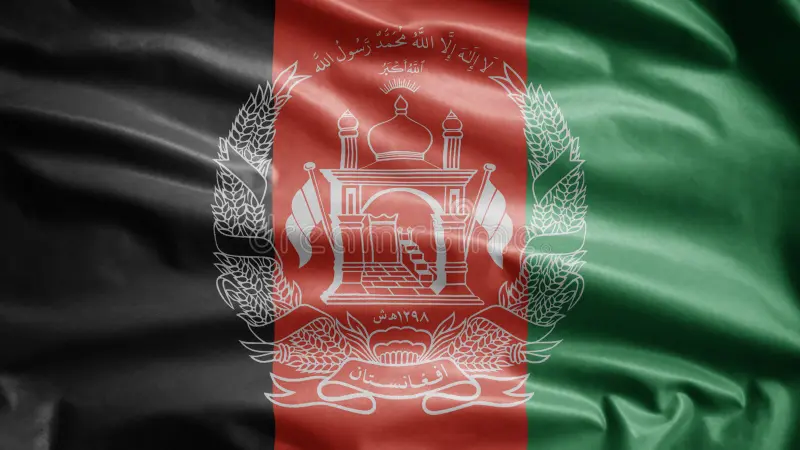
🌎 Kingdom Nations Series – Part 2 🇦🇫 Afghanistan: Faith Under Fire, Hope in Hidden Places


4
📖 Introduction: A Global Kingdom Vision (Alphabetical Nations Series)
This continues the comprehensive, alphabetical series covering every country of the world — exploring in depth:
-
The history of Christianity
-
Political and cultural background
-
Religious demographics
-
Reached vs. unreached people groups
-
Sociological and worldview analysis
-
Evangelism strategies (local & diaspora)
-
Strategic prayer framework
-
Theological reflection
-
Future outlook
Each country has a dedicated, structured one-level page on my website. For Afghanistan:
👉 gregloucks.com/afghanistan
As with the United States page, this includes:
-
Government structure
-
All 34 provinces
-
Major cities
-
Ethnolinguistic breakdown
-
Religious composition
-
Economic sectors
-
Historical timeline
-
Mission history
-
Reached/unreached metrics
-
Strategic prayer and evangelism layers
This is systematic Kingdom cartography — integrating data, history, theology, and mission strategy.
We now expand Afghanistan to full structural depth.
🇦🇫 Afghanistan: National Overview
-
Capital: Kabul
-
34 provinces
-
Mountainous terrain dominated by the Hindu Kush
-
Population: ~40 million
-
Official languages: Dari and Pashto
-
Ethnic diversity: Pashtun, Tajik, Hazara, Uzbek, Turkmen, Baluch, Nuristani, and more
Afghanistan has endured:
-
Soviet invasion (1979–1989)
-
Civil war
-
Taliban rule (1996–2001)
-
U.S. intervention (2001–2021)
-
Taliban return (2021–present)
Decades of instability have shaped spiritual openness in unexpected ways.
“The people who walked in darkness have seen a great light.” — Isaiah 9:2
📜 Historical Christianity in the Region
1️⃣ Early Church Presence (1st–7th Century)
Christianity spread eastward along trade routes.
Evidence shows influence from:
-
Syriac Christianity
-
Nestorian believers connected to the Church of the East
Christian communities existed in parts of Central Asia before Islamic expansion.
“Go therefore and make disciples of all nations.” — Matthew 28:19
2️⃣ Islamic Conquest (7th–10th Century)
Islam entered the region in the 7th century through military conquest.
Gradually:
-
Christianity diminished
-
Islamic governance structures solidified
-
Sharia became dominant
By the 10th century, visible Christianity had nearly disappeared.
3️⃣ 19th–20th Century Mission Attempts
During the British colonial era, limited missionary activity occurred from India.
However:
-
Conversion was rare
-
Foreign missionaries were heavily restricted
-
Indigenous church formation was minimal
4️⃣ 21st Century Underground Church
After 2001:
-
Increased digital access
-
International presence
-
Afghan diaspora movements
Small underground fellowships emerged.
Since 2021:
-
Severe repression
-
Believers meeting secretly
-
Increased martyrdom risk
“Indeed, all who desire to live godly in Christ Jesus will suffer persecution.” — 2 Timothy 3:12
📊 Religious Composition
Based on research including Joshua Project:
-
~99% Muslim
-
Majority Sunni
-
Shia minority (Hazara)
-
-
<0.1% Christian (mostly underground)
-
Small Sikh and Hindu minorities
Afghanistan is considered one of the least reached nations globally.
“The harvest truly is plentiful, but the laborers are few.” — Matthew 9:37
🌍 Ethnolinguistic People Groups
Afghanistan contains over 70 people groups.
Major Groups
Pashtun (Largest Group)
-
Strong tribal code (Pashtunwali)
-
Highly resistant to conversion
-
Extremely low evangelical presence
Tajik
-
Persian-speaking
-
Urban concentration
-
Slightly more exposure via media
Hazara
-
Primarily Shia Muslim
-
Historically persecuted
-
Some diaspora openness
Uzbek & Turkmen minorities
Nearly every major Afghan people group is classified as unreached (less than 2% evangelical).
“Ask of Me, and I will give You the nations for Your inheritance.” — Psalm 2:8
🧠 Worldview Analysis
Afghanistan operates within:
-
Honor/shame culture
-
Tribal loyalty systems
-
Collective identity
-
Strong Islamic theological framework
Conversion is not merely personal — it affects:
-
Family reputation
-
Marriage prospects
-
Tribal protection
-
Economic survival
Evangelism must understand:
-
Honor restoration through Christ
-
Biblical narratives over propositional debate
-
Dreams and visions testimony
-
Family-based discipleship models
“I am not ashamed of the gospel of Christ.” — Romans 1:16
🔥 Current Gospel Entry Points
1️⃣ Digital Evangelism
-
Farsi-language Bible apps
-
Encrypted messaging discipleship
-
Satellite Christian broadcasts
2️⃣ Dreams & Visions Testimonies
Many Muslim-background believers report:
-
Jesus appearing in dreams
-
Supernatural encounters
-
Curiosity leading to secret Scripture reading
“In the last days… your young men shall see visions.” — Acts 2:17
3️⃣ Diaspora Mission
Afghans have relocated to:
-
Germany
-
Turkey
-
Iran
-
United States
Diaspora communities are far more reachable.
Churches abroad must recognize this window.
4️⃣ Trauma Healing Ministry
Decades of war have created:
-
PTSD
-
Grief
-
Displacement trauma
The Gospel addresses both sin and suffering.
“He heals the brokenhearted and binds up their wounds.” — Psalm 147:3
🏙 Urban vs Rural Strategy
Urban Centers (Kabul, Herat, Mazar-i-Sharif)
-
Greater media access
-
Higher literacy
-
More exposure to outside ideas
Rural Tribal Areas
-
Strong Islamic authority
-
Limited external contact
-
High risk environment
Strategy differs dramatically between these contexts.
⚠️ Persecution Framework
Afghanistan consistently ranks among the most dangerous nations to follow Jesus.
Believers face:
-
Death threats
-
Forced marriage
-
Imprisonment
-
Family expulsion
Underground believers must practice extreme caution.
“Be faithful unto death, and I will give you the crown of life.” — Revelation 2:10
🌎 Comparative Regional Analysis
Compared to:
-
Iran (growing underground church)
-
Pakistan (small but visible church)
-
Central Asian republics (restricted but functioning churches)
Afghanistan remains one of the most closed environments in the region.
Yet history shows:
The most closed nations often experience the most dramatic spiritual breakthroughs.
🔭 Future Outlook
Possible factors influencing future openness:
-
Economic collapse leading to disillusionment
-
Youth exposure to digital media
-
Diaspora believers returning
-
Regional geopolitical shifts
The Gospel often advances during instability.
“The light shines in the darkness, and the darkness did not comprehend it.” — John 1:5
🛠 Strategic Evangelism Framework
For global believers:
1️⃣ Focused Prayer
Organized prayer networks for specific provinces.
2️⃣ Media Investment
Translation and contextualized discipleship materials.
3️⃣ Refugee Outreach
Churches in Europe and America actively engaging Afghan communities.
4️⃣ Business-as-Mission Models
Long-term sustainable presence through legitimate enterprise.
5️⃣ Scripture Saturation
Audio Bible distribution for oral learners.
“So shall My word be that goes forth from My mouth; it shall not return to Me void.” — Isaiah 55:11
🗺️ Why gregloucks.com/afghanistan Matters
The Afghanistan page includes:
-
All 34 provinces listed
-
Ethnic group percentages
-
Religious breakdown
-
Historical timeline
-
Reached/unreached classification
-
Evangelism strategies
-
Economic and political framework
-
Prayer focus
Each country page follows identical structural rigor.
This allows:
-
Intelligent intercession
-
Strategic engagement
-
Long-term mission awareness
This is Kingdom intelligence — structured for action.
🙏 Strategic Prayer Framework for Afghanistan
Pray:
-
For dreams and visions among Pashtun tribes.
-
For Tajik youth encountering Scripture online.
-
For Hazara communities experiencing healing.
-
For underground leaders’ protection.
-
For Scripture translation acceleration.
-
For diaspora conversions in Europe and America.
“After this I looked, and behold, a great multitude which no one could number, of all nations…” — Revelation 7:9
Afghanistan will be in that multitude.
✝ Theological Reflection
The cross speaks into:
-
Honor and shame
-
Suffering and persecution
-
Forgiveness and tribal revenge cycles
Christ does not merely challenge Islamic theology —
He fulfills the longing for justice, mercy, and restored honor.
“Blessed are those who are persecuted for righteousness’ sake.” — Matthew 5:10
Afghanistan is among the hardest soil on earth.
But the hardest soil often hides the deepest roots.
The Lamb will receive worship from Kabul, Kandahar, Herat, and every mountain valley.
Similar Tags
Search
Subscribe
Donate



Your Statistics
For the care and safety of this prayer space, we gently record the time and location of each visit. This helps us protect sincerity while preserving anonymity.
Your Date and Time
IP Addres:
216.73.216.29
System
- OS Linux n
- PHP 8.3.30
- MySQLi 10.6.25-MariaDB-log
- Time 01:08
- Caching Disabled
- Gzip Disabled
- Users 6
- Articles 315
- Articles View Hits 6040
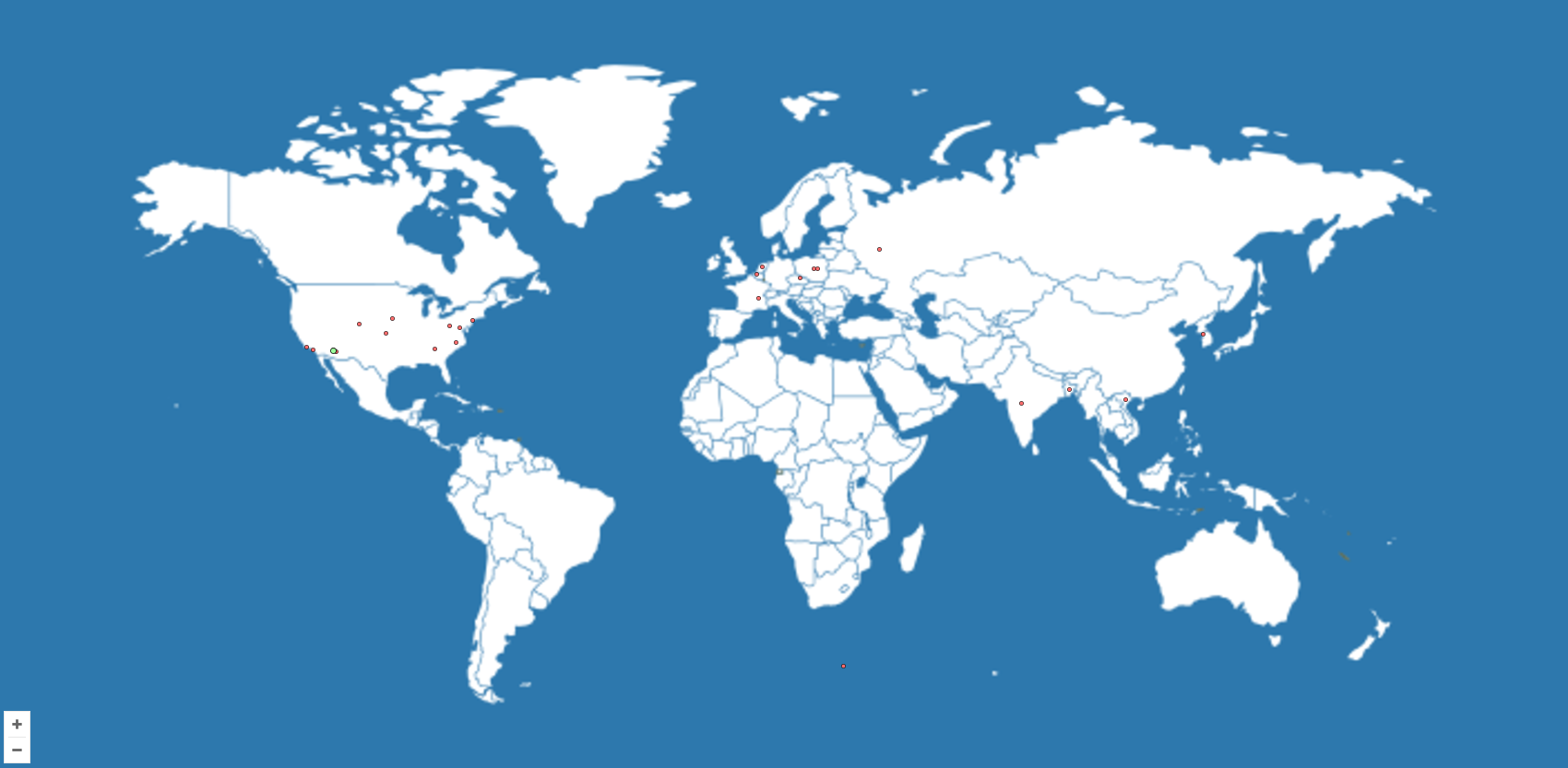
Website Visitors Map
About Greg Loucks
Greg Loucks is a writer, poet, filmmaker, musician, and graphic designer, as well as a creative visionary and faith-driven storyteller working at the intersection of language, meaning, and human connection. Born and raised in Phoenix, Arizona, he has lived in Cincinnati, Ohio; Hot Springs, Arkansas; Williams, Arizona; and Flagstaff, Arizona—each place shaping his perspective, resilience, and creative voice.

Address:
United States of America and Europe
Phone Numbers:
Arizona: (928) 563-GREG (4734)
Tennessee: (615) 899-GREG (4734)
Toll-Free: 888-457-GREG (4734)
Terms & Conditions
Subscribe
Report
My comments