


Zanzibar


Zanzibar
Categories
Glossaries
History - Category
Author: Greg Loucks
Hits: 13
Hits: 13
History is the systematic study of the past, focusing primarily on the human past. As an academic discipline, it analyses and interprets evidence to construct narratives about what happened and explain why it happened. Some theorists categorize history as a social science, while others see it as part of the humanities or consider it a hybrid discipline. Similar debates surround the purpose of history—for example, whether its main aim is theoretical, to uncover the truth, or practical, to learn lessons from the past. In a more general sense, the term history refers not to an academic field but to the past itself, times in the past, or to individual texts about the past.
Highland Papua - Category
Author: Greg Loucks
Hits: 13
Synonyms: Papua Pegunungan, Lano Pago (La Pago), Province of Highland Papua, Provinsi Papua Pegunungan
Hits: 13
Synonyms: Papua Pegunungan, Lano Pago (La Pago), Province of Highland Papua, Provinsi Papua Pegunungan
Highland Papua (Indonesian: Papua Pegunungan, lit. 'Papua Mountains') is a province of Indonesia, which roughly follows the borders of the Papuan customary region of Lano Pago (often shortened to La Pago). It covers an area of 51,213.33 km2 (19,773.58 sq mi) and had a population of 1,467,050 according to the official estimates as at mid 2024 (comprising 783,220 males and 683,830 females).
Herm - Category
Author: Greg Loucks
Hits: 18
Hits: 18
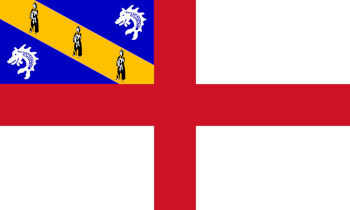
Herm is the smallest of the Channel Islands that is open to the public.
Herm is only 11⁄2 miles long. Cars are banned from the small island just like its Channel Island neighbour, Sark. Unlike Sark, bicycles are banned too. The sandy white beaches make Herm a walker's paradise.
Heard Island and McDonald Islands - Category
Author: Greg Loucks
Hits: 44
Hits: 44
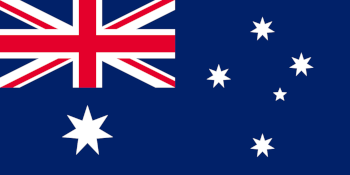
The Territory of Heard Island and McDonald Islands (HIMI]) is an Australian external territory comprising a volcanic group of mostly barren Antarctic islands, about two-thirds of the way from Madagascar to Antarctica. The group's overall land area is 372 km2 (144 sq mi) and it has 101.9 km (63 mi) of coastline. Discovered in the mid-19th century, the islands lie on the Kerguelen Plateau in the southern Indian Ocean and have been an Australian territory since 1947.
Hawaii - Category
Author: Greg Loucks
Hits: 30
Hits: 30
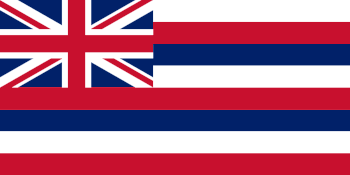
Hawaii (/həˈwaɪ.i/ ⓘ hə-WY-ee; Hawaiian: Hawaiʻi [həˈvɐjʔi, həˈwɐjʔi]) is an island state of the United States, in the Pacific Ocean about 2,000 miles (3,200 km) southwest of the U.S. mainland. One of the two non-contiguous U.S. states (along with Alaska), it is the only state not on the North American mainland, the only state that is an archipelago, the only state in the tropics, one of only two states, along with Florida, with regions that have a tropical climate, and one of the two U.S. states, along with Texas, that were internationally recognized sovereign countries before becoming U.S. states.
Haiti - Category
Author: Greg Loucks
Hits: 68
Synonyms: Republic of Haiti, Repiblik d Ayiti, République d'Haïti
Hits: 68
Synonyms: Republic of Haiti, Repiblik d Ayiti, République d'Haïti
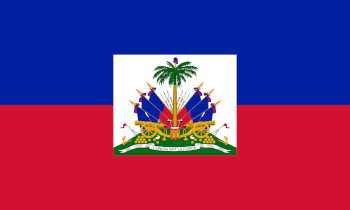
Haiti, officially the Republic of Haiti, is a country in the Caribbean on the island of Hispaniola in the Caribbean Sea, east of Cuba and Jamaica and south of the Bahamas. It occupies the western side of the island, which it shares with the Dominican Republic. Haiti is the third largest country in the Caribbean, and with an estimated population of 11.4 million, it is the most populous Caribbean country. The capital and largest city is Port-au-Prince.
Guyana - Category
Author: Greg Loucks
Hits: 71
Synonyms: British Guiana, Co-operative Republic of Guyana
Hits: 71
Synonyms: British Guiana, Co-operative Republic of Guyana
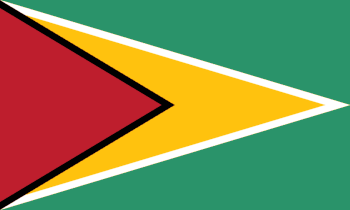
The Co-operative Republic of Guyana (formerly British Guiana) is a country in South America. It is one of the most sparsely populated countries in the world (700,000 people live there inside its over 200,000 km² of area). Georgetown is the capital; like most of the country's settlements, it is on a flat coastal plain that goes from northwest to southeast. Venezuela claims the land west of the Essequibo River as part of Guayana Esequiba.
Guinea-Bissau - Category
Author: Greg Loucks
Hits: 64
Synonyms: Guiné-Bissau, Republic of Guinea-Bissau, República da Guiné-Bissau
Hits: 64
Synonyms: Guiné-Bissau, Republic of Guinea-Bissau, República da Guiné-Bissau
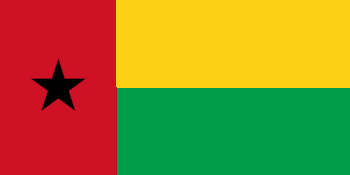
Guinea-Bissau, officially the Republic of Guinea-Bissau, is a country in West Africa that covers 36,125 square kilometres (13,948 sq mi) with an estimated population of 2,026,778. It borders Senegal to its north and Guinea to its southeast.
Guinea - Category
Author: Greg Loucks
Hits: 100
Synonyms: Republic of Guinea, République de Guinée
Hits: 100
Synonyms: Republic of Guinea, République de Guinée
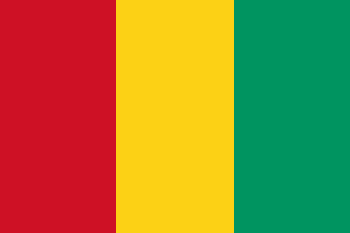
Guinea, officially the Republic of Guinea, is a coastal country in West Africa. It borders the Atlantic Ocean to the west, Guinea-Bissau to the northwest, Senegal to the north, Mali to the northeast, Ivory Coast to the southeast, and Sierra Leone and Liberia to the south. It is sometimes referred to as Guinea-Conakry, after its capital Conakry, to distinguish it from other territories in the eponymous region, such as Guinea-Bissau and Equatorial Guinea. Guinea has a population of 14 million and an area of 245,857 square kilometres (94,926 sq mi).
Guernsey - Category
Author: Greg Loucks
Hits: 72
Synonyms: Guernesey, Guernési, Bailiwick of Guernsey, Bailliage de Guernesey, Bailliage dé Guernési
Hits: 72
Synonyms: Guernesey, Guernési, Bailiwick of Guernsey, Bailliage de Guernesey, Bailliage dé Guernési
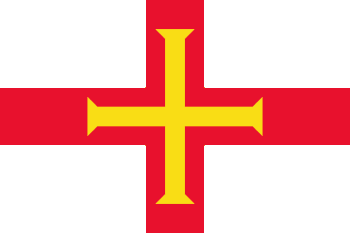
Guernsey (officially the Bailiwick of Guernsey; French: Bailliage de Guernesey; Guernésiais: Bailliage dé Guernési) is a self-governing British Crown Dependency off the coast of Normandy, France, comprising several of the Channel Islands. It has a total land area of 78 square kilometres (30 mi2) and an estimated total population of 67,336.
Guatemala - Category
Author: Greg Loucks
Hits: 34
Synonyms: Republic of Guatemala, República de Guatemala
Hits: 34
Synonyms: Republic of Guatemala, República de Guatemala
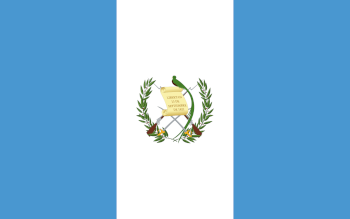
Guatemala, officially the Republic of Guatemala, is a country in northern Central America. It is bordered to the north and west by Mexico, to the northeast (in the adjacency zone) by Belize, to the east by Honduras, and to the southeast by El Salvador. It is bounded by the Pacific Ocean to the south and the Gulf of Honduras to the northeast.
Guam - Category
Author: Greg Loucks
Hits: 62
Synonyms: Guåhan
Hits: 62
Synonyms: Guåhan
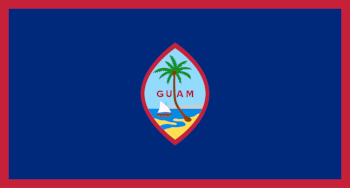
Guam (/ˈɡwɑːm/ ⓘ GWAHM; Chamorro: Guåhan [ˈɡʷɑhɑn]) is an island that is an organized, unincorporated territory of the United States in the Micronesia subregion of the western Pacific Ocean. Guam's capital is Hagåtña, and the most populous village is Dededo. It is the westernmost point and territory of the United States, as measured from the geographic center of the U.S. with point Udall. In Oceania, Guam is the largest and southernmost of the Mariana Islands and the largest island in Micronesia. In 2022, its population was 168,801. Chamorros are its largest ethnic group, but a minority on the multiethnic island. The territory spans 210 square miles (540 km2; 130,000 acres) and has a population density of 775 per square mile (299/km2).
Guadeloupe - Category
Author: Greg Loucks
Hits: 64
Synonyms: Gwadloup, Karukera
Hits: 64
Synonyms: Gwadloup, Karukera
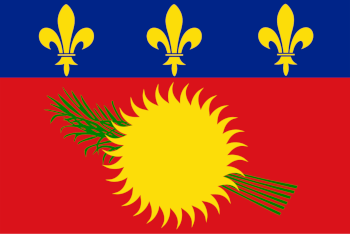
Guadeloupe is an overseas department and region of the French Republic in the Caribbean. It consists of six inhabited islands—Basse-Terre, Grande-Terre, Marie-Galante, La Désirade, and two Îles des Saintes—as well as many uninhabited islands and outcroppings. It is south of Antigua and Barbuda and Montserrat and north of Dominica. The capital city is Basse-Terre, on the southern west coast of Basse-Terre Island; the most populous city is Les Abymes and the main centre of business is neighbouring Pointe-à-Pitre, both on Grande-Terre Island.[4] It had a population of 395,726 in 2024.
Grenada - Category
Author: Greg Loucks
Hits: 78
Synonyms: Gwenad
Hits: 78
Synonyms: Gwenad
Grenada is an island country of the West Indies in the eastern Caribbean Sea. The southernmost of the Windward Islands, Grenada is directly south of Saint Vincent and the Grenadines and about 100 miles (160 km) north of Trinidad and the South American mainland.
Greenland - Category
Author: Greg Loucks
Hits: 41
Synonyms: Grønland, Kalaallit Nunaat
Hits: 41
Synonyms: Grønland, Kalaallit Nunaat
Greenland is an autonomous territory of the Kingdom of Denmark and is the largest of the kingdom's three constituent parts by land area, the others being Denmark proper and the Faroe Islands. Citizens of Greenland are citizens of Denmark. They are thus citizens of the European Union (EU), although Greenland is not part of the EU. It is the world's largest island[f] and lies between the Arctic and Atlantic oceans, east of the Canadian Arctic Archipelago. It shares a small 1.2-kilometre (0.75 mi) border with Canada on Hans Island. The capital and largest city is Nuuk. Kaffeklubben Island off the northern coast is the world's northernmost undisputed point of land – Cape Morris Jesup on the main island was thought to be so until the 1960s. Economically, Greenland is heavily reliant on aid from Denmark, which has averaged 5.4 billion kr. (€724 million) annually in the period 2019–2023, amounting to more than 20% of the territory's gross domestic product.
Search
Subscribe
Donate



Your Statistics
For the care and safety of this prayer space, we gently record the time and location of each visit. This helps us protect sincerity while preserving anonymity.
Your Date and Time
IP Addres:
216.73.216.61
System
- OS Linux n
- PHP 8.3.30
- MySQLi 10.6.25-MariaDB-log
- Time 17:26
- Caching Disabled
- Gzip Disabled
- Users 115
- Articles 315
- Articles View Hits 16704
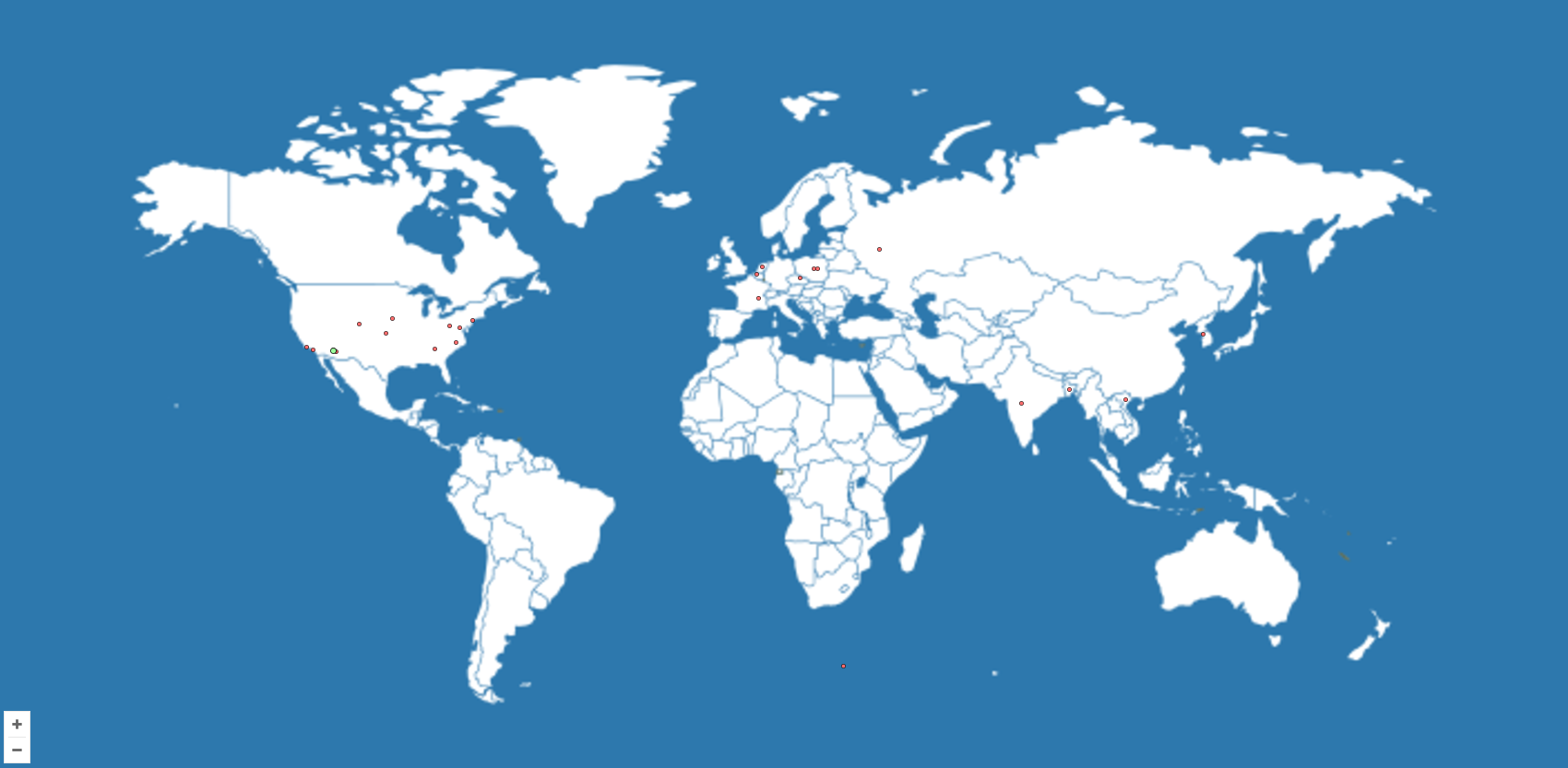
Website Visitors Map
About Greg Loucks
Greg Loucks is a writer, poet, filmmaker, musician, and graphic designer, as well as a creative visionary and faith-driven storyteller working at the intersection of language, meaning, and human connection. Born and raised in Phoenix, Arizona, he has lived in Cincinnati, Ohio; Hot Springs, Arkansas; Williams, Arizona; and Flagstaff, Arizona—each place shaping his perspective, resilience, and creative voice.

Address:
United States of America and Europe
Phone Numbers:
Arizona: (928) 563-GREG (4734)
Tennessee: (615) 899-GREG (4734)
Toll-Free: 888-457-GREG (4734)