


🖊️ Post


🌎 Kingdom Nations Series – Part 44 🇨🇺 Cuba: Revolution, Restriction, and Revival in the Caribbean


4
📖 Introduction: A Global Kingdom Vision (Alphabetical Nations Series)
This series continues the alphabetical exploration of every country in the world, examining each nation through multiple dimensions:
-
History of Christianity
-
Cultural and political development
-
Religious demographics
-
Reached vs. unreached people groups
-
Worldview analysis
-
Evangelism strategies
-
Strategic prayer insights
Each nation also has a dedicated one-level page on my website with detailed structured research.
For Cuba:
👉 gregloucks.com/cuba
Each country page includes:
-
Administrative divisions (15 provinces + special municipality)
-
Major cities and population centers
-
Ethnic and cultural groups
-
Economic sectors
-
Historical timelines
-
Religious composition
-
Reached vs unreached classifications
-
Evangelism strategies
-
Strategic prayer focus
This continues building a global mission intelligence system—equipping believers to understand nations and pray strategically.
We now examine Cuba in full depth.
🇨🇺 National Overview
-
Official name: Republic of Cuba
-
Capital: Havana
-
Population: ~11 million
-
Region: Caribbean
-
Official language: Spanish
-
Administrative divisions: 15 provinces
Cuba is the largest island in the Caribbean and sits near:
-
United States (Florida)
-
Mexico
-
Jamaica
-
Haiti
Known for:
-
Communist government
-
Revolutionary history
-
Cultural influence (music, arts)
-
Economic restrictions
Cuba represents a unique intersection of socialism, spirituality, and revival.
“The earth is the LORD’s, and all its fullness.” — Psalm 24:1
📜 Historical Christianity in Cuba
1️⃣ Indigenous Spiritual Foundations
Before Christianity:
-
Indigenous Taíno people practiced animistic spirituality
-
Nature and ancestral spirits central
“You shall have no other gods before Me.” — Exodus 20:3
2️⃣ Spanish Catholic Colonization (16th Century)
Christianity arrived with Spanish conquest.
Missionary orders included:
-
Society of Jesus
-
Franciscans
-
Dominicans
Catholicism became:
-
The dominant religion
-
Integrated into colonial society
“Go therefore and make disciples of all nations.” — Matthew 28:19
3️⃣ African Influence and Syncretism
Through the transatlantic slave trade:
-
African religious traditions entered Cuba
-
Syncretic systems developed (e.g., Santería)
These blended:
-
Catholic saints
-
African deities (orishas)
This created a unique spiritual landscape.
“No one can serve two masters.” — Matthew 6:24
4️⃣ Protestant and Evangelical Growth (19th–Early 20th Century)
Protestant missionaries entered in the 1800s.
Growth included:
-
Baptist
-
Methodist
-
Pentecostal churches
Christianity diversified beyond Catholicism.
5️⃣ Communist Revolution and Suppression (1959–1990s)
After the revolution led by Fidel Castro:
-
Cuba became officially atheist
-
Churches restricted
-
Religious leaders persecuted
-
Public expression of faith discouraged
Many believers practiced quietly.
“The light shines in the darkness.” — John 1:5
6️⃣ Revival and House Church Movement (1990s–Present)
After the collapse of the Soviet Union:
-
Economic crisis led to spiritual openness
-
Restrictions loosened slightly
-
House churches multiplied rapidly
Cuba now has one of the most dynamic house church movements in the Americas.
“Not by might nor by power, but by My Spirit.” — Zechariah 4:6
📊 Religious Composition
Based on research including Joshua Project:
-
~50–60% nominal Catholic
-
~15–20% Protestant/Evangelical
-
~20% non-religious
-
Significant syncretic practices (Santería)
Cuba is largely “reached” in exposure, but discipleship depth varies.
“Examine yourselves as to whether you are in the faith.” — 2 Corinthians 13:5
🌍 Ethnolinguistic Groups
Cuban majority
-
Mixed Spanish and African heritage
-
Broad exposure to Christianity
Afro-Cuban communities
-
Strong influence of syncretic religions
-
Growing evangelical presence
Small immigrant and expatriate communities
Cuba is relatively unified linguistically (Spanish), making outreach more streamlined.
“The harvest truly is plentiful.” — Matthew 9:37
🧠 Worldview Analysis
Cuba’s worldview shaped by:
-
Communist ideology
-
Economic hardship
-
Catholic heritage
-
African spiritual influence
-
Strong community culture
Key spiritual dynamics:
-
Openness to spirituality
-
Syncretism common
-
Desire for hope amid hardship
-
Relational trust highly valued
Evangelism must address:
-
Truth vs syncretism
-
Identity beyond ideology
-
Hope in Christ
“If the Son makes you free, you shall be free indeed.” — John 8:36
⚠️ Spiritual Challenges
1️⃣ Government Restrictions
Church activity monitored and limited.
2️⃣ Syncretism (Santería)
Blending Christianity with spirit worship.
3️⃣ Economic Hardship
Impacts church resources.
4️⃣ Limited Access to Materials
Bibles and training resources can be scarce.
“My people are destroyed for lack of knowledge.” — Hosea 4:6
🔥 Gospel Strengths in Cuba
1️⃣ House Church Explosion
Rapid multiplication of small groups.
2️⃣ Spiritual Hunger
People seeking hope amid hardship.
3️⃣ Strong Community Networks
Relational evangelism effective.
4️⃣ Indigenous Leadership
Local pastors leading movements.
“Let your light so shine before men.” — Matthew 5:16
🏙 Urban vs Regional Dynamics
Havana
-
Capital
-
Cultural center
-
Mix of secularism and spirituality
Santiago de Cuba
-
Strong Afro-Cuban influence
-
Evangelical growth
Rural Areas
-
Tight-knit communities
-
Strong relational evangelism
House churches thrive in both urban and rural contexts.
🌎 Regional Comparison (Caribbean)
Compared to:
-
Dominican Republic (more open Christianity)
-
Haiti (strong syncretism)
-
Jamaica (strong evangelical presence)
Cuba is unique due to communist governance combined with spiritual revival.
🛠 Strategic Evangelism Framework
1️⃣ House Church Multiplication
Continue grassroots growth.
2️⃣ Discipleship Training
Strengthen biblical teaching.
3️⃣ Address Syncretism
Clarify gospel truth.
4️⃣ Resource Distribution
Provide Bibles and materials.
5️⃣ Diaspora Engagement
Reach Cubans abroad.
“The weapons of our warfare are not carnal but mighty in God.” — 2 Corinthians 10:4
🔭 Future Outlook
Possible developments:
-
Gradual increase in religious freedom
-
Continued church growth
-
Economic challenges persist
-
Digital evangelism expansion
Cuba could become:
-
A model of house church multiplication
-
A spiritual influence across the Caribbean
“The kingdom of heaven is like leaven.” — Matthew 13:33
✝ Theological Reflection
Cuba shows that:
Even under restriction,
the gospel grows.
Even under pressure,
faith multiplies.
“We are hard-pressed on every side, yet not crushed.” — 2 Corinthians 4:8
From Havana streets
to hidden house gatherings,
Christ calls Cuba.
🗺️ Why gregloucks.com/cuba Matters
The Cuba page includes:
-
All 15 provinces
-
Religious demographics
-
Cultural overview
-
Economic sectors (tourism, agriculture, state economy)
-
Historical timeline
-
Reached vs unreached classifications
-
Evangelism strategies
-
Strategic prayer focus
Each country page follows the same model.
This builds a global mission intelligence system for research, prayer, and evangelism strategy.
🙏 Strategic Prayer Focus for Cuba
Pray:
-
For continued growth of house churches.
-
For freedom from syncretism.
-
For access to Bibles and training.
-
For government openness to religious freedom.
-
For Cuba to impact the Caribbean spiritually.
“After this I looked, and behold, a great multitude which no one could number, of all nations…” — Revelation 7:9
From island streets
to hidden gatherings,
Cuba will stand before the throne.
The Lamb will receive worship from this resilient Caribbean nation.
Similar Tags
Search
Subscribe
Donate



Your Statistics
For the care and safety of this prayer space, we gently record the time and location of each visit. This helps us protect sincerity while preserving anonymity.
Your Date and Time
IP Addres:
216.73.216.29
System
- OS Linux n
- PHP 8.3.30
- MySQLi 10.6.25-MariaDB-log
- Time 01:06
- Caching Disabled
- Gzip Disabled
- Users 6
- Articles 315
- Articles View Hits 6033
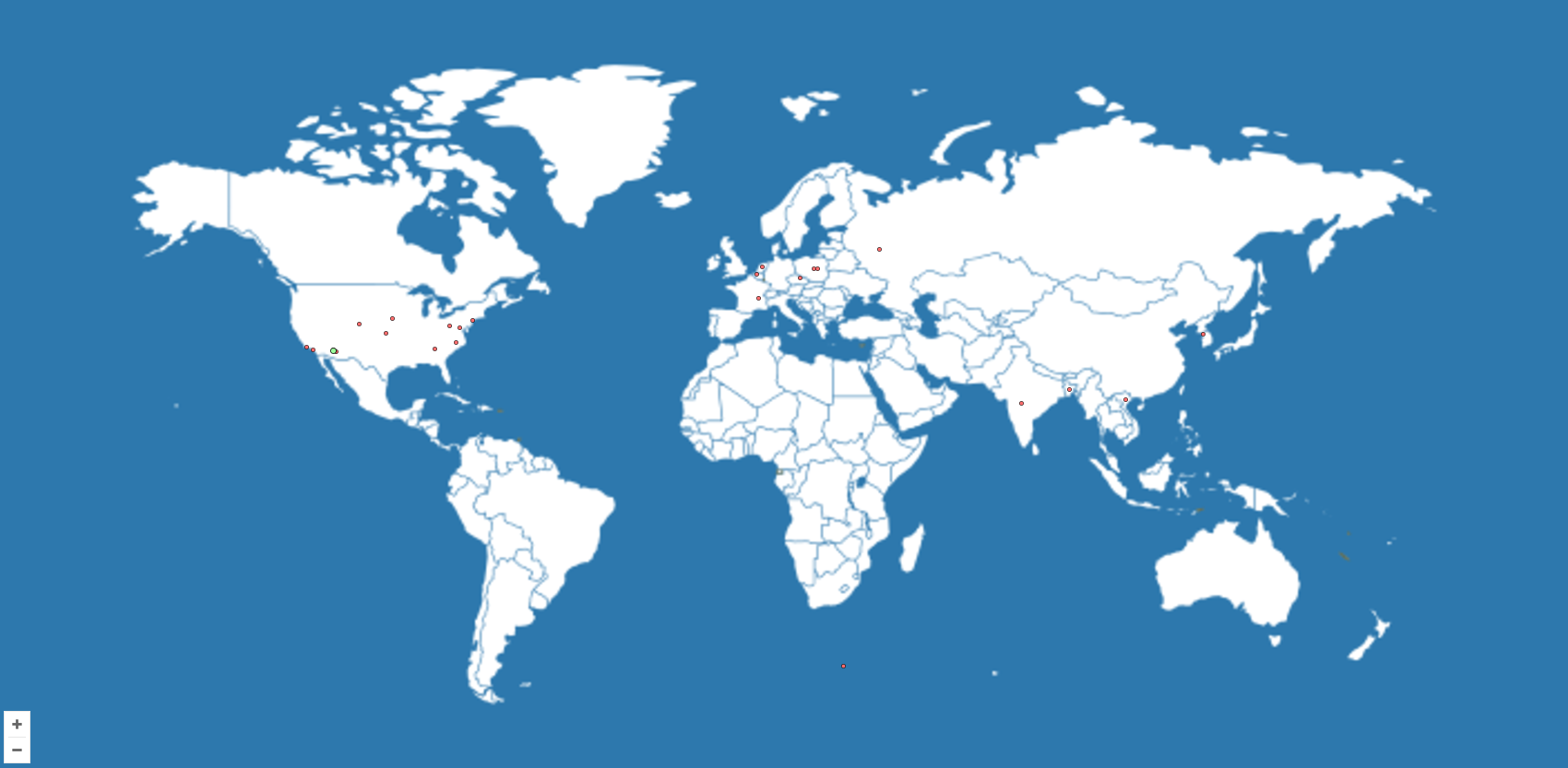
Website Visitors Map
About Greg Loucks
Greg Loucks is a writer, poet, filmmaker, musician, and graphic designer, as well as a creative visionary and faith-driven storyteller working at the intersection of language, meaning, and human connection. Born and raised in Phoenix, Arizona, he has lived in Cincinnati, Ohio; Hot Springs, Arkansas; Williams, Arizona; and Flagstaff, Arizona—each place shaping his perspective, resilience, and creative voice.

Address:
United States of America and Europe
Phone Numbers:
Arizona: (928) 563-GREG (4734)
Tennessee: (615) 899-GREG (4734)
Toll-Free: 888-457-GREG (4734)
Terms & Conditions
Subscribe
Report
My comments