


🖊️ Post


🌎 Kingdom Nations Series – Part 43 🇭🇷 Croatia: Catholic Heritage, War Memory, and the Quiet Spiritual Landscape of the Adriatic


4
📖 Introduction: A Global Kingdom Vision (Alphabetical Nations Series)
This series continues the alphabetical exploration of every country in the world, examining each nation through multiple dimensions:
-
History of Christianity
-
Cultural and political development
-
Religious demographics
-
Reached vs. unreached people groups
-
Worldview analysis
-
Evangelism strategies
-
Strategic prayer insights
Each nation also has a dedicated one-level page on my website with detailed structured research.
For Croatia:
👉 gregloucks.com/croatia
Each country page includes:
-
Administrative divisions (20 counties + Zagreb)
-
Major cities and population centers
-
Ethnic and cultural groups
-
Economic sectors
-
Historical timelines
-
Religious composition
-
Reached vs unreached classifications
-
Evangelism strategies
-
Strategic prayer focus
This continues building a global mission intelligence system—helping believers understand nations and pray strategically.
We now examine Croatia in full depth.
🇭🇷 National Overview
-
Official name: Republic of Croatia
-
Capital: Zagreb
-
Population: ~3.9 million
-
Region: Southeastern Europe (Balkans / Adriatic)
-
Official language: Croatian
-
Administrative divisions: 20 counties
Croatia borders:
-
Slovenia
-
Hungary
-
Serbia
-
Bosnia and Herzegovina
-
Montenegro
-
Adriatic Sea
Known for:
-
Adriatic coastline and historic cities
-
EU membership
-
Strong national identity
Croatia is culturally Western yet shaped by Balkan history.
“The earth is the LORD’s, and all its fullness.” — Psalm 24:1
📜 Historical Christianity in Croatia
1️⃣ Early Christian Roots (Roman Era)
Christianity reached the region during the Roman Empire.
By early centuries:
-
Churches established
-
Latin (Western) Christianity dominant
Croatia became part of the Western (Catholic) Christian world.
“You are the light of the world.” — Matthew 5:14
2️⃣ Medieval Catholic Identity
During the Middle Ages:
-
Croatia firmly aligned with Roman Catholicism
-
Church influenced governance and culture
-
Monasteries and cathedrals developed
Catholic identity became deeply tied to Croatian nationality.
3️⃣ Ottoman Pressure and Religious Identity
As the Ottoman Empire expanded:
-
Croatia became a frontier between Islam and Christianity
-
Catholic identity strengthened as part of resistance
Religion became closely linked to national survival.
“The gates of Hades shall not prevail against it.” — Matthew 16:18
4️⃣ Austro-Hungarian and Yugoslav Periods
Under Austro-Hungarian rule:
-
Catholic structures remained strong
Under socialist Yugoslavia:
-
Religion suppressed
-
Atheism promoted
Yet Catholic identity persisted culturally.
5️⃣ War and Independence (1990s)
Following Yugoslavia’s breakup:
-
Croatian War of Independence (1991–1995)
-
Religion tied strongly to ethnic identity
Catholic Croats vs Orthodox Serbs became a defining narrative.
“Blessed are the peacemakers.” — Matthew 5:9
6️⃣ Modern Era
Today:
-
Croatia remains culturally Catholic
-
Church attendance declining
-
Secularization increasing
Faith is often more identity than transformation.
📊 Religious Composition
Based on research including Joshua Project:
-
~80–85% Roman Catholic
-
~5% Orthodox Christian
-
Small Protestant/Evangelical minority (<1–2%)
-
Growing non-religious population
Croatia is historically “reached,” but spiritually under-engaged.
“Having a form of godliness but denying its power.” — 2 Timothy 3:5
🌍 Ethnolinguistic Groups
Croats
-
Catholic majority
-
Strong national identity
Serb minority
-
Orthodox
-
Historical tensions
Bosniaks and others
-
Small Muslim minority
Evangelical believers are a very small minority across all groups.
“The harvest truly is plentiful.” — Matthew 9:37
🧠 Worldview Analysis
Croatia’s worldview shaped by:
-
Catholic heritage
-
War memory
-
European secular influence
-
National identity
-
Economic migration
Key spiritual dynamics:
-
Religion tied to ethnicity
-
Low church engagement
-
Youth disillusionment
-
Cultural Christianity
Evangelism must address:
-
Personal faith vs tradition
-
Identity in Christ beyond nationalism
-
Intellectual skepticism
“You shall know the truth, and the truth shall make you free.” — John 8:32
⚠️ Spiritual Challenges
1️⃣ Nominal Catholicism
Identity without transformation.
2️⃣ Secularization
Especially among youth.
3️⃣ Ethnic Division Legacy
War memories still present.
4️⃣ Small Evangelical Presence
Limited outreach infrastructure.
“If the foundations are destroyed, what can the righteous do?” — Psalm 11:3
🔥 Gospel Strengths in Croatia
1️⃣ Historic Christian Awareness
Biblical concepts familiar culturally.
2️⃣ Religious Freedom
Evangelism allowed.
3️⃣ Small but Faithful Evangelical Churches
Committed believers.
4️⃣ EU Connectivity
Access to global Christian resources.
“Let your light so shine before men.” — Matthew 5:16
🏙 Urban vs Regional Dynamics
Zagreb
-
Capital
-
Intellectual center
-
Increasing secularism
Coastal Cities (Split, Dubrovnik)
-
Tourism-driven
-
Cultural Catholic identity
Rural Areas
-
Traditional values
-
Aging population
Strategy must address urban secular youth and rural tradition differently.
🌎 Regional Comparison (Balkans)
Compared to:
-
Serbia (Orthodox majority)
-
Bosnia (religious diversity)
-
Slovenia (high secularization)
Croatia reflects Western Balkan secularization within a Catholic framework.
🛠 Strategic Evangelism Framework
1️⃣ Relational Evangelism
Build trust beyond religious labels.
2️⃣ Youth Outreach
University and urban ministry.
3️⃣ Apologetics
Address secular skepticism.
4️⃣ Church Planting
Expand evangelical presence.
5️⃣ Reconciliation Ministry
Heal ethnic divisions.
“Not by might nor by power, but by My Spirit.” — Zechariah 4:6
🔭 Future Outlook
Possible developments:
-
Continued secularization
-
Decline in institutional Catholicism
-
Slow evangelical growth
-
Increased openness among youth
Croatia may remain culturally Christian but spiritually searching.
“The kingdom of heaven is like leaven.” — Matthew 13:33
✝ Theological Reflection
Croatia’s coastline is filled with ancient churches.
Stone buildings standing for centuries.
But the question is not:
Are churches standing?
It is:
Are hearts alive?
“Remember therefore from where you have fallen.” — Revelation 2:5
From Adriatic shores
to Zagreb streets,
Christ calls Croatia.
🗺️ Why gregloucks.com/croatia Matters
The Croatia page includes:
-
All 20 counties
-
Religious demographics
-
Ethnic groups
-
Economic sectors (tourism, manufacturing)
-
Historical timeline
-
Reached vs unreached classifications
-
Evangelism strategies
-
Strategic prayer focus
Each country page follows the same model.
This creates a global mission intelligence system for prayer and outreach strategy.
🙏 Strategic Prayer Focus for Croatia
Pray:
-
For revival beyond cultural Christianity.
-
For youth to encounter Christ personally.
-
For growth of evangelical churches.
-
For healing from past conflicts.
-
For Croatia to influence the Balkans spiritually.
“After this I looked, and behold, a great multitude which no one could number, of all nations…” — Revelation 7:9
From historic cathedrals
to modern cities,
Croatia will stand before the throne.
The Lamb will receive worship from this Adriatic nation.
Similar Tags
Search
Subscribe
Donate



Your Statistics
For the care and safety of this prayer space, we gently record the time and location of each visit. This helps us protect sincerity while preserving anonymity.
Your Date and Time
IP Addres:
216.73.216.87
System
- OS Linux n
- PHP 8.3.30
- MySQLi 10.6.25-MariaDB-log
- Time 12:16
- Caching Disabled
- Gzip Disabled
- Users 43
- Articles 315
- Articles View Hits 9947
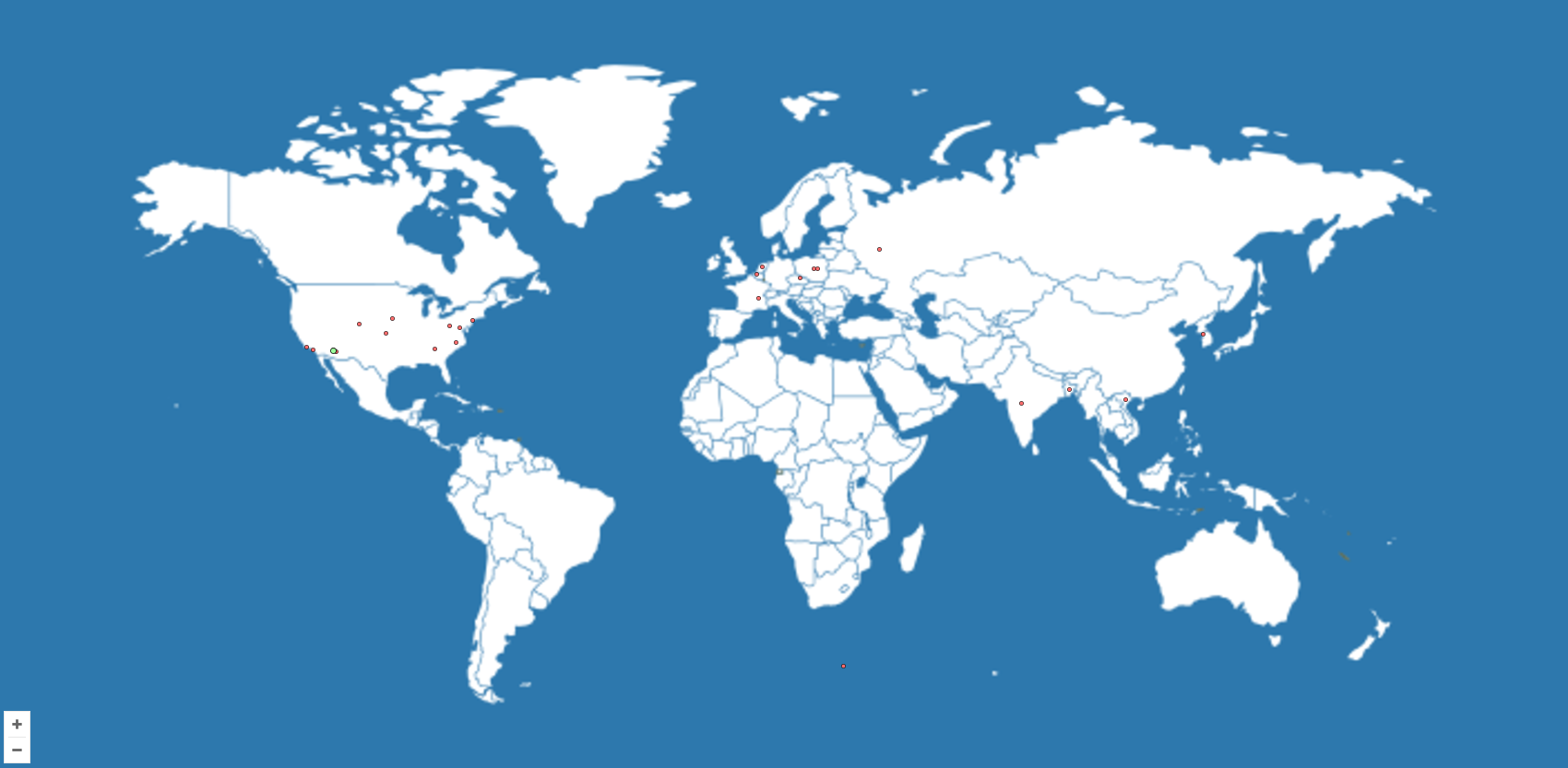
Website Visitors Map
About Greg Loucks
Greg Loucks is a writer, poet, filmmaker, musician, and graphic designer, as well as a creative visionary and faith-driven storyteller working at the intersection of language, meaning, and human connection. Born and raised in Phoenix, Arizona, he has lived in Cincinnati, Ohio; Hot Springs, Arkansas; Williams, Arizona; and Flagstaff, Arizona—each place shaping his perspective, resilience, and creative voice.

Address:
United States of America and Europe
Phone Numbers:
Arizona: (928) 563-GREG (4734)
Tennessee: (615) 899-GREG (4734)
Toll-Free: 888-457-GREG (4734)
Terms & Conditions
Subscribe
Report
My comments