


🖊️ Post


☪︎ The Arab Spring Part 15 🇩🇯 Djibouti: The Small Uprising on the Edge of the Arab Spring


4
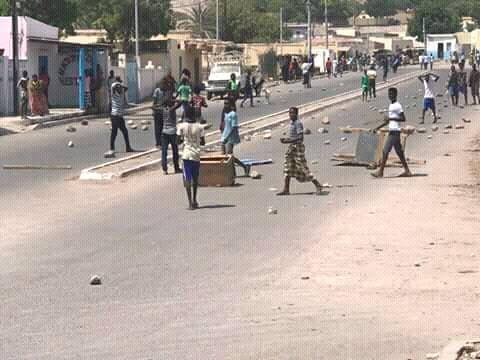
The Djiboutian protests of 2011 were among the lesser-known movements of the Arab Spring, yet they reflect how the wave of unrest reached even smaller and more strategically located nations.
While the protests in Djibouti did not reach the scale of those in Egypt or Tunisia, they represented a clear expression of public frustration with long-standing leadership, political restrictions, and economic hardship.
Unlike major Arab Spring revolutions, the movement in Djibouti was short-lived and quickly contained, resulting in limited political change.
For supporters, the protests were a bold attempt to challenge entrenched authority.
For the government, they were a manageable disruption that required firm but controlled response.
Djibouti’s experience shows how smaller states with strong security structures and strategic importance can absorb unrest without major transformation.
Djibouti’s Political System
To understand the protests, it is important to examine Djibouti’s political structure.
Djibouti has been led by President Ismail Omar Guelleh since 1999, following his predecessor, who had ruled since independence in 1977.
The political system is characterized by:
• A strong presidency
• Limited political opposition
• Dominance of a single ruling party
Although elections are held, critics have argued that:
• Political competition is restricted
• Opposition parties face challenges
• Power remains concentrated in the executive
These conditions created underlying dissatisfaction among segments of the population.
Economic Conditions and Public Frustration


4
Despite its strategic location near major global shipping routes, Djibouti faces significant economic challenges.
These include:
• High unemployment
• Poverty in urban areas
• Limited economic opportunities
The country’s economy is heavily dependent on:
• Port services
• Foreign military bases
• External investment
While these sectors generate revenue, many citizens have not experienced widespread economic benefits.
These conditions contributed to growing frustration, particularly among young people.
The Arab Spring Reaches Djibouti

4
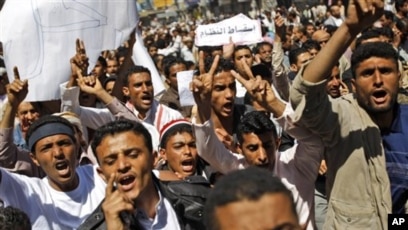
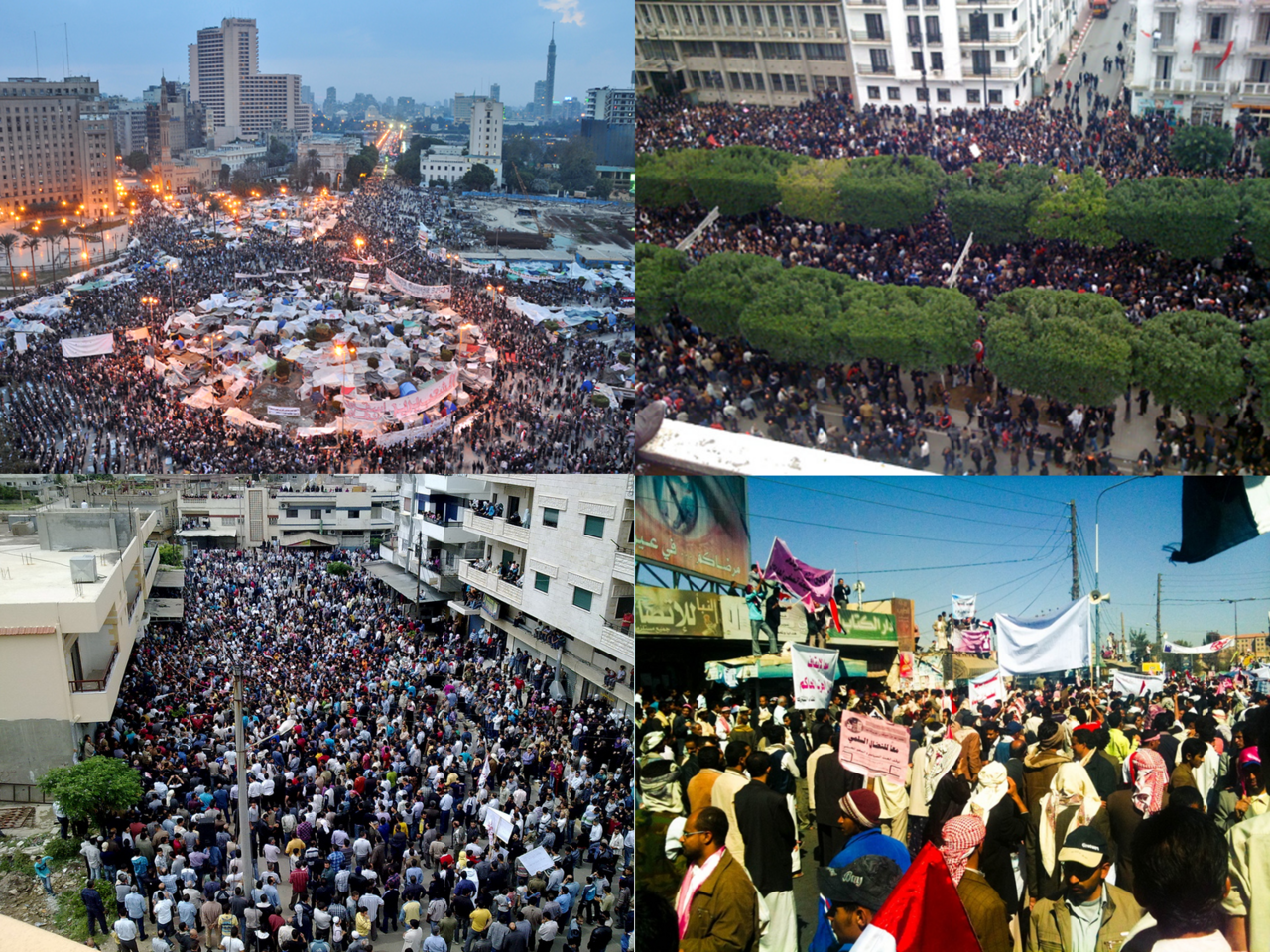
Inspired by uprisings in Tunisia and Egypt, protests began in Djibouti in early 2011.
Demonstrations were organized by opposition groups and activists.
Protesters called for:
• Democratic reforms
• Greater political freedoms
• The resignation of President Guelleh
The protests gained momentum after a constitutional change allowed Guelleh to seek another term in office, which angered many citizens.
Crowds gathered in the capital city, expressing frustration with the political system.
Government Response


4
The government responded quickly to the protests.
Security forces were deployed to control demonstrations.
Actions included:
• Dispersing crowds
• Arresting opposition figures
• Restricting protest activity
While there were clashes between protesters and police, the scale of violence remained limited compared to larger Arab Spring conflicts.
The government maintained control and prevented the protests from spreading further.
Elections and Political Outcome


4
Despite the protests, Djibouti proceeded with its scheduled elections in 2011.
President Ismail Omar Guelleh won another term in office.
Opposition groups criticized the election process, but the government maintained its position.
The protests did not result in significant political change.
Why the Protests Did Not Escalate
Several factors explain why Djibouti did not experience a major Arab Spring revolution:
Small Population
The country’s size limited the scale of mobilization.
Strong Security Control
Authorities quickly contained demonstrations.
Strategic Importance
Djibouti hosts foreign military bases, contributing to government stability.
Fragmented Opposition
The protest movement lacked unified leadership.
These factors prevented the protests from reaching a tipping point.
Djibouti Today
Today, Djibouti remains under the leadership of President Guelleh.
The country continues to play an important role in global trade and military strategy due to its location near the Bab el-Mandeb Strait.
However, challenges remain:
• Economic inequality
• Limited political pluralism
• Dependence on external revenue
Why Djibouti Matters in the Arab Spring
Djibouti represents one of the smallest but still significant cases of the Arab Spring.
It shows that:
• The wave of unrest reached even minor states
• Not all protests lead to large-scale movements
• Governments with strong control can quickly contain unrest
Final Reflection
The Djiboutian protests remind us that the Arab Spring was not only about major revolutions—it was also about smaller sparks that never became full fires.
Djibouti’s story adds an important final piece to the broader picture:
Even where change did not occur, the desire for reform was still present
Similar Tags
Search
Subscribe
Donate



Your Statistics
For the care and safety of this prayer space, we gently record the time and location of each visit. This helps us protect sincerity while preserving anonymity.
Your Date and Time
IP Addres:
216.73.216.29
System
- OS Linux n
- PHP 8.3.30
- MySQLi 10.6.25-MariaDB-log
- Time 07:52
- Caching Disabled
- Gzip Disabled
- Users 39
- Articles 315
- Articles View Hits 9651
Website Visitors Map
About Greg Loucks
Greg Loucks is a writer, poet, filmmaker, musician, and graphic designer, as well as a creative visionary and faith-driven storyteller working at the intersection of language, meaning, and human connection. Born and raised in Phoenix, Arizona, he has lived in Cincinnati, Ohio; Hot Springs, Arkansas; Williams, Arizona; and Flagstaff, Arizona—each place shaping his perspective, resilience, and creative voice.

Address:
United States of America and Europe
Phone Numbers:
Arizona: (928) 563-GREG (4734)
Tennessee: (615) 899-GREG (4734)
Toll-Free: 888-457-GREG (4734)

Terms & Conditions
Subscribe
Report
My comments