


🖊️ Post


☪︎ The Arab Spring Part 14 🇸🇦 Saudi Arabia: The Arab Spring That Never Fully Took Hold


4
The Arab Spring reached Saudi Arabia in 2011, but unlike many countries in the region, it never developed into a large-scale national uprising.
While small protests did occur—particularly in the Eastern Province—they were limited in size and quickly contained.
Instead of revolution, Saudi Arabia experienced a combination of:
• Preventive economic measures
• Strong security responses
• Controlled social reforms
For supporters of reform, the limited protests reflected underlying frustrations with political restrictions and inequality.
For the government, they were a signal to act quickly to maintain stability and prevent escalation.
Saudi Arabia became one of the clearest examples of how a state can preempt and contain unrest before it becomes a full-scale movement.
Saudi Arabia’s Political System
Saudi Arabia is an absolute monarchy ruled by the Al Saud family.
During the Arab Spring, the country was led by King Abdullah, who had been in power since 2005.
The political system includes:
• No national elections for leadership
• No formal political parties
• Strong centralized authority
The monarchy maintains legitimacy through:
• Religious leadership
• Control over state institutions
• Distribution of economic resources
However, despite stability, there were underlying concerns among parts of the population:
• Limited political participation
• Restrictions on freedom of expression
• Economic inequality
• Youth unemployment
These issues formed the backdrop to the events of 2011.
The Arab Spring Reaches Saudi Arabia


4
Inspired by uprisings in Tunisia and Egypt, calls for protests began circulating in Saudi Arabia in early 2011.
Demonstrations were relatively small and occurred mainly in:
• The Eastern Province (home to a significant Shiite population)
• Cities such as Qatif and Al-Ahsa
Protesters called for:
• Political reforms
• Release of political prisoners
• Greater civil rights
• An end to discrimination
However, the protests never reached the scale seen in other Arab Spring countries.
The Role of Social Media
4
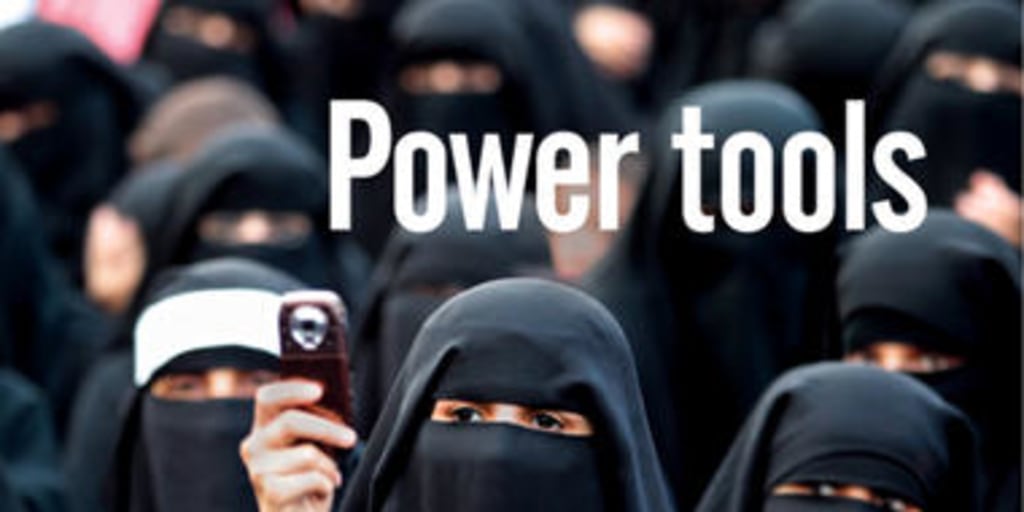
As in other Arab Spring countries, social media played a role in spreading calls for protest.
Activists used:
• Twitter
• Facebook
• Online forums
to organize demonstrations and share information.
However, the impact of digital mobilization was limited compared to countries like Egypt.
Several factors—including state control and public caution—prevented online activism from translating into mass street protests.
Government Response: Prevention and Containment


4
The Saudi government responded quickly and decisively to prevent unrest from spreading.
Key measures included:
Economic Spending
• A massive $100+ billion social spending package
• Housing programs
• Job creation initiatives
• Salary increases for public sector workers
Security Measures
• Increased police presence
• Arrests of activists
• Restrictions on public demonstrations
Political Messaging
• Emphasis on national unity
• Warnings against instability
These actions reduced the likelihood of protests gaining momentum.
Why Protests Did Not Spread
Several factors explain why Saudi Arabia did not experience a major Arab Spring uprising:
Economic Resources
Oil wealth allowed the government to address public grievances quickly.
Strong Security Apparatus
Authorities maintained tight control over public gatherings.
Cultural and Political Context
Many citizens prioritized stability over political change.
Lack of Unified Movement
Protests remained localized and did not develop into a national campaign.
These factors combined to prevent escalation.
Regional Role: Saudi Arabia and Bahrain


4
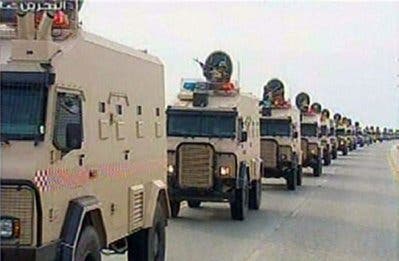
Saudi Arabia also played a key role in shaping the regional response to the Arab Spring.
In March 2011, Saudi forces entered Bahrain as part of a Gulf Cooperation Council (GCC) intervention.
The goal was to support the Bahraini government in suppressing protests.
This action demonstrated Saudi Arabia’s broader strategy:
• Prevent unrest at home
• Contain instability in neighboring countries
Saudi Arabia After the Arab Spring
Following 2011, Saudi Arabia continued to implement gradual changes.
In later years, reforms expanded under new leadership, including:
• Economic diversification plans
• Social reforms
• Increased opportunities in certain sectors
However, the political system has remained highly centralized.
Why Saudi Arabia Matters in the Arab Spring
Saudi Arabia represents one of the most important non-revolution cases of the Arab Spring.
It shows how:
• Wealth can be used to reduce unrest
• Strong state control can limit protest movements
• Early action can prevent escalation
It also highlights the importance of regional power dynamics, as Saudi Arabia influenced events beyond its borders.
Final Reflection
Saudi Arabia’s experience reveals a critical truth about the Arab Spring:
Not every country explodes—some absorb the pressure before it ignites.
Through a combination of:
• Economic intervention
• Security control
• Political strategy
Saudi Arabia avoided the large-scale unrest seen elsewhere.
Its story is one of prevention rather than revolution, and it completes the broader picture of how differently the Arab Spring unfolded across the region.
Similar Tags
Search
Subscribe
Donate



Your Statistics
For the care and safety of this prayer space, we gently record the time and location of each visit. This helps us protect sincerity while preserving anonymity.
Your Date and Time
IP Addres:
216.73.216.29
System
- OS Linux n
- PHP 8.3.30
- MySQLi 10.6.25-MariaDB-log
- Time 07:52
- Caching Disabled
- Gzip Disabled
- Users 39
- Articles 315
- Articles View Hits 9651
Website Visitors Map
About Greg Loucks
Greg Loucks is a writer, poet, filmmaker, musician, and graphic designer, as well as a creative visionary and faith-driven storyteller working at the intersection of language, meaning, and human connection. Born and raised in Phoenix, Arizona, he has lived in Cincinnati, Ohio; Hot Springs, Arkansas; Williams, Arizona; and Flagstaff, Arizona—each place shaping his perspective, resilience, and creative voice.

Address:
United States of America and Europe
Phone Numbers:
Arizona: (928) 563-GREG (4734)
Tennessee: (615) 899-GREG (4734)
Toll-Free: 888-457-GREG (4734)

Terms & Conditions
Subscribe
Report
My comments