


🖊️ Post


🇨🇴 Colombia: The 2021 Uprising That Exposed Deep Inequality


4
The Colombian protests of 2021, known as the “Paro Nacional” (National Strike), became one of the largest and most intense protest movements in Latin America in recent years.
What began as opposition to a tax reform during the COVID-19 pandemic quickly exploded into a nationwide uprising against:
• Inequality
• Government policies
• Police brutality
• Economic hardship
Unlike Chile—where protests led to constitutional reform—Colombia represents a different outcome:
👉 Mass protest that forced concessions, but revealed deep structural tensions that remain unresolved.
⚡ The Trigger: Tax Reform During Crisis


4
The protests began on April 28, 2021, triggered by a controversial tax reform proposal from President Iván Duque.
The reform aimed to:
• Increase taxes to cover pandemic-related debt
• Expand social programs
However, many Colombians believed it would:
👉 Raise the cost of living for the middle and lower classes during an economic crisis
This sparked immediate outrage.
Within days:
• Tens of thousands took to the streets
• Protests spread nationwide
• A general strike was declared
Even after the government withdrew the tax reform, protests continued—because the issue had grown far beyond taxes.
📉 Deeper Causes: Inequality and Crisis


4
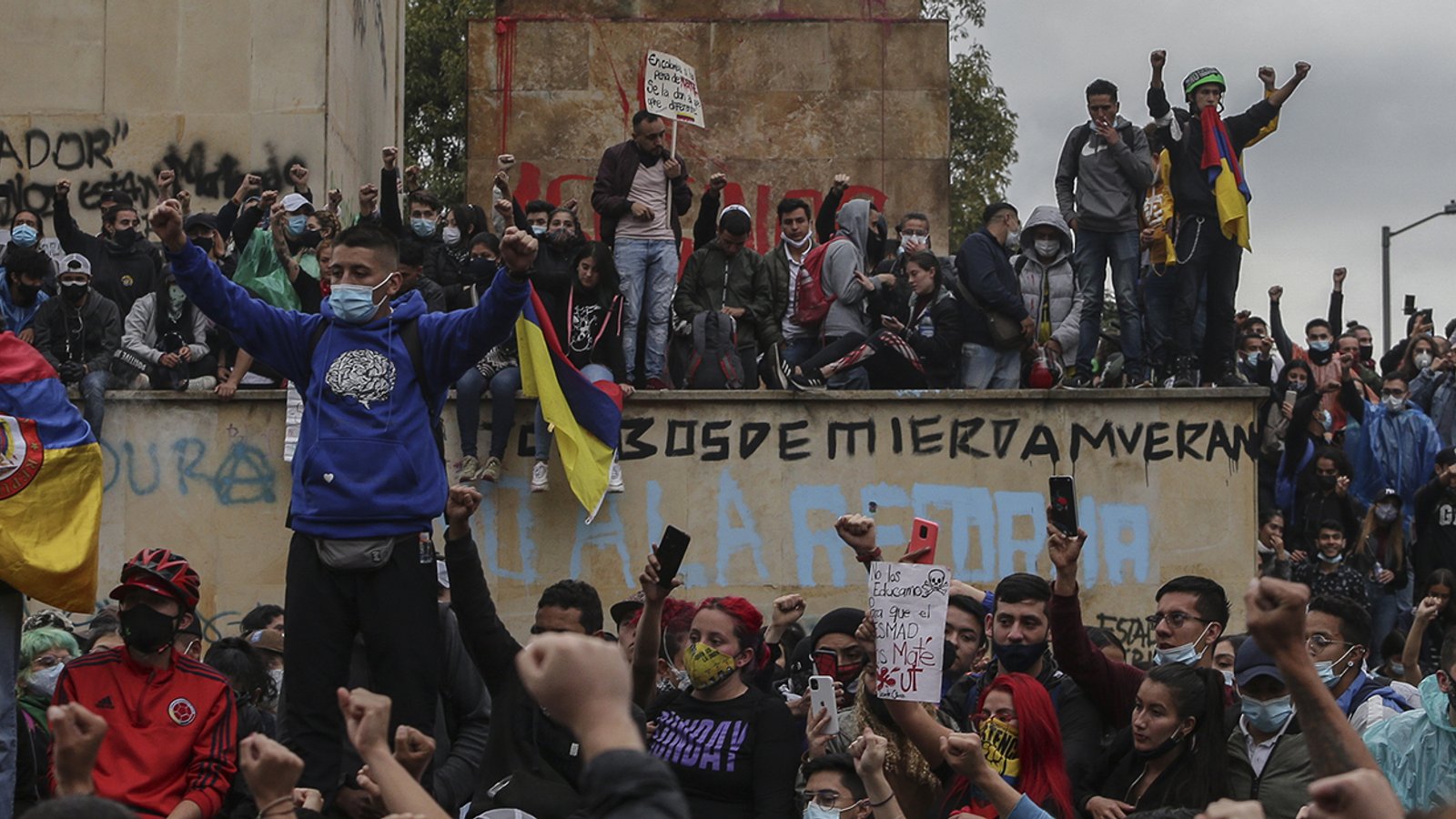
The tax reform was just the spark.
The real causes were much deeper.
🧩 Structural Issues
• Long-standing economic inequality
• High youth unemployment
• Limited access to education and healthcare
• Rural and urban disparities
🦠 Pandemic Impact
COVID-19 made everything worse:
• Poverty increased
• Jobs disappeared
• Public frustration intensified
⚖️ Social Grievances
The protests also reflected:
• Distrust in government
• Corruption concerns
• Failure to implement peace agreements
According to reports, the protests brought forward “historical claims of marginalized populations” including inequality and violence.
🔥 Nationwide Mobilization


4
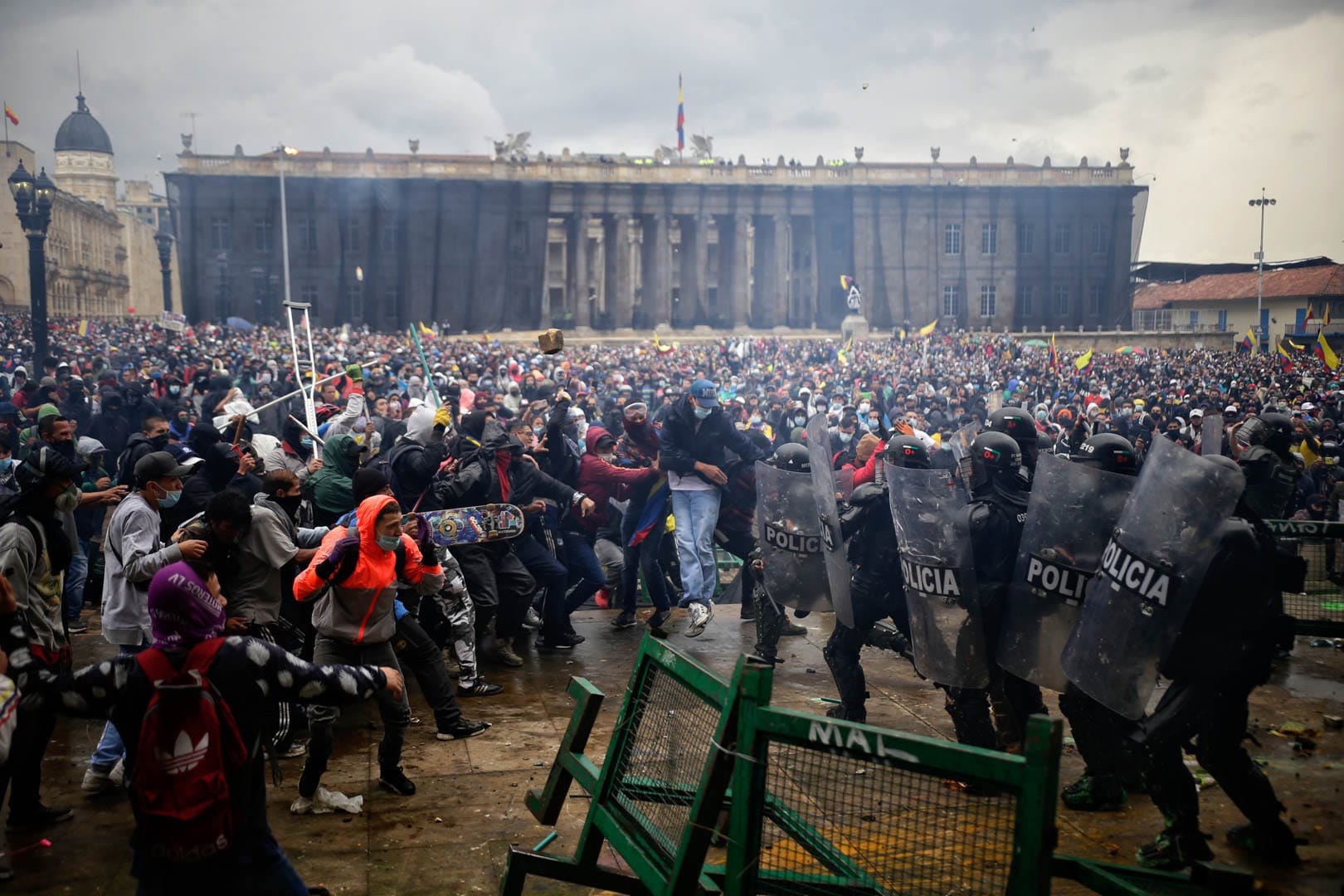
The movement quickly spread across major cities:
• Bogotá
• Cali (a major hotspot)
• Medellín
• Barranquilla
Participants included:
• Students
• Workers
• Indigenous groups
• Middle-class citizens
The protests became one of the largest in Colombia’s modern history.
At their peak:
👉 Tens of thousands to millions participated nationwide
⚔️ Clashes and Police Response


4
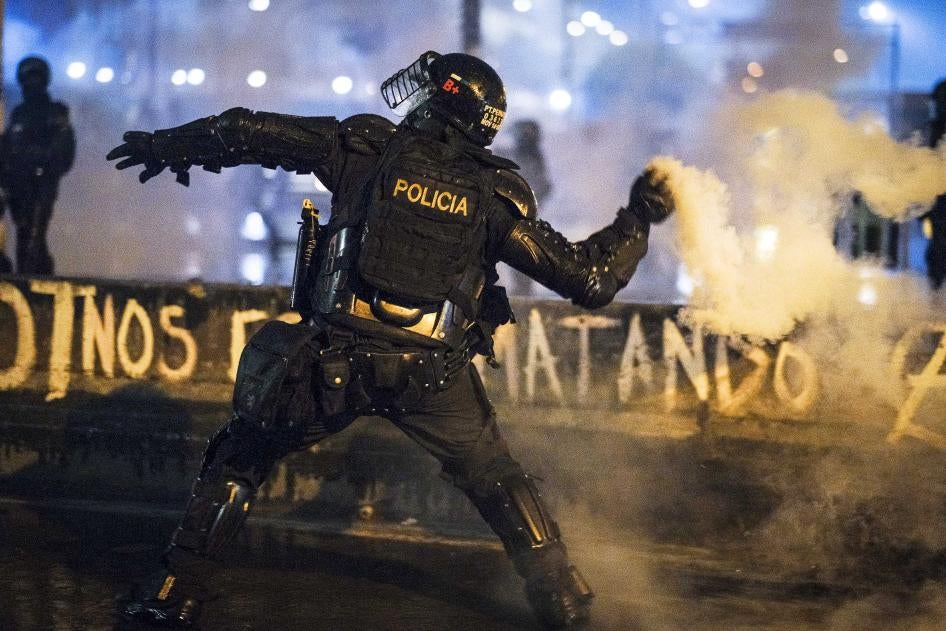
As protests continued, violence escalated.
Clashes broke out between protesters and security forces.
Reports included:
• Tear gas and rubber bullets used by police
• Road blockades and fires
• Looting in some areas
Human rights organizations reported:
• Dozens of deaths
• Hundreds injured
• Allegations of police brutality
Some estimates suggested dozens killed and hundreds injured, with reports of widespread abuse.
The situation drew international concern.
📱 Digital Mobilization & Information Battles


4
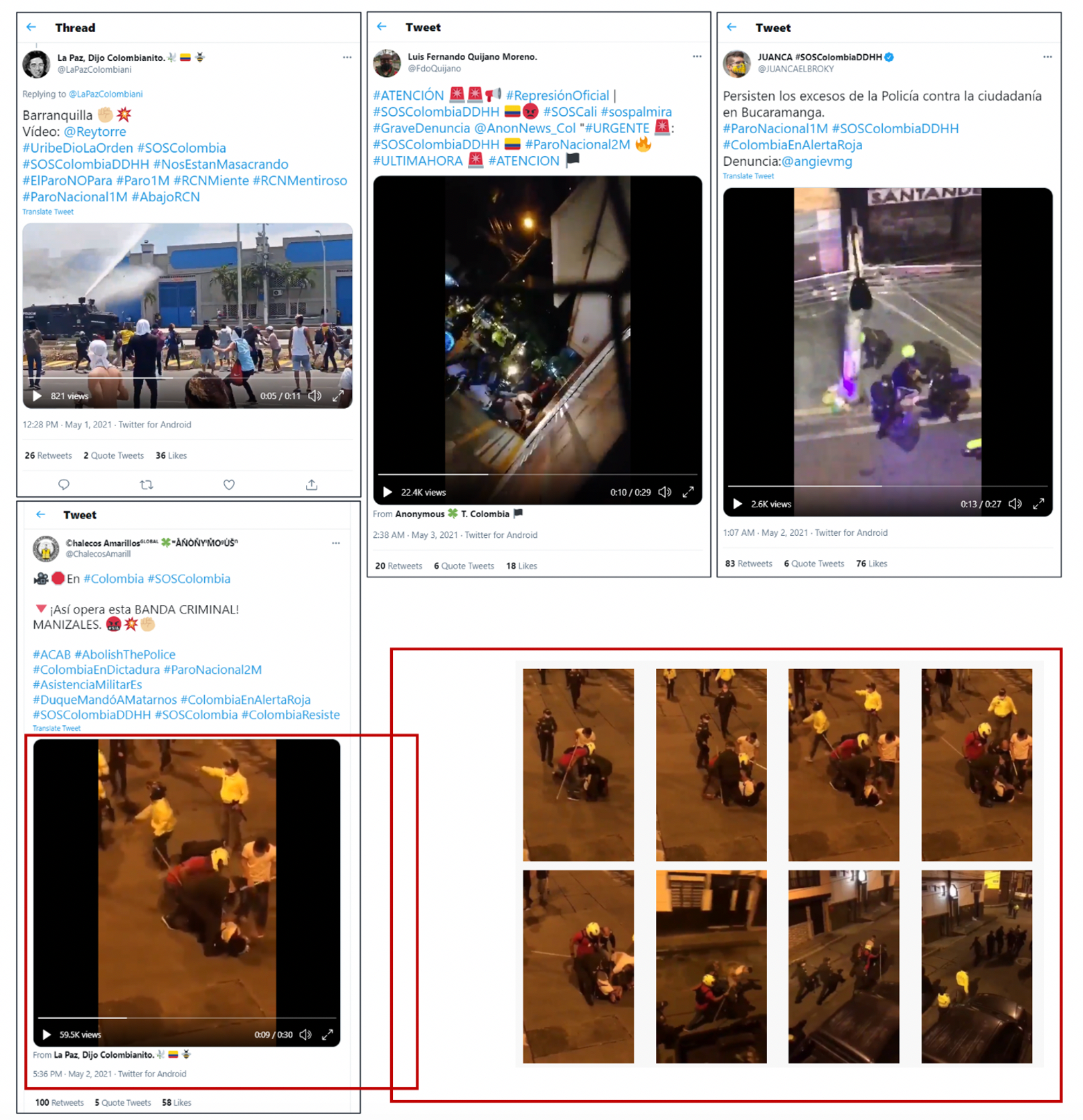
Like other modern movements, digital tools played a key role.
Activists used:
• Twitter
• Facebook
• WhatsApp
to organize protests and share real-time updates.
Social media became:
👉 A battlefield of narratives
• Protesters shared videos of police actions
• Government and supporters pushed counter-narratives
There were also reports of internet disruptions in protest hotspots like Cali, raising concerns about information control.
🧠 Why the Protests Continued
Even after the tax reform was withdrawn, protests did not stop.
Why?
Because the movement had evolved into something bigger:
👉 A nationwide rejection of inequality and political frustration
Key demands expanded to include:
• Police reform
• Economic support
• Education access
• Implementation of peace agreements
⚖️ Government Response


4
The government responded with a mix of:
• Policy concessions
• Withdrawal of tax reform
• Promises of reform
• Security measures
The finance minister resigned shortly after the protests began.
However, many protesters felt:
👉 The response did not address deeper systemic issues
🔄 Colombia After 2021
The protests had lasting political impact.
In 2022, Colombia elected Gustavo Petro, the country’s first left-wing president.
This reflected:
👉 A major political shift influenced by protest energy
However, protests have not disappeared.
New demonstrations have occurred over:
• Government reforms
• Economic policies
• Security concerns
🌍 Colombia in the Global Pattern
Colombia fits clearly into your global protest framework:
🔥 Modern Protest Formula
-
Trigger
→ Tax reform -
Underlying causes
→ Inequality + pandemic crisis -
Mass mobilization
→ Nationwide protests -
Escalation
→ Clashes and repression -
Outcome
→ Policy withdrawal + political shift
⚖️ Why Colombia Matters
Colombia represents a critical type of modern uprising:
👉 A protest movement that forces change—but not total transformation
It shows:
• How economic triggers can ignite deeper grievances
• How protests can reshape elections
• How inequality remains a powerful driver of unrest
🔚 Final Reflection
The Colombian protests reveal a key truth in modern movements:
👉 People don’t rise up over one issue—they rise up when many pressures collide at once.
What started as a tax protest became:
• A movement against inequality
• A challenge to authority
• A turning point in national politics
Similar Tags
Search
Subscribe
Donate



Your Statistics
For the care and safety of this prayer space, we gently record the time and location of each visit. This helps us protect sincerity while preserving anonymity.
Your Date and Time
IP Addres:
216.73.216.29
System
- OS Linux n
- PHP 8.3.30
- MySQLi 10.6.25-MariaDB-log
- Time 07:28
- Caching Disabled
- Gzip Disabled
- Users 8
- Articles 315
- Articles View Hits 6292
Website Visitors Map
About Greg Loucks
Greg Loucks is a writer, poet, filmmaker, musician, and graphic designer, as well as a creative visionary and faith-driven storyteller working at the intersection of language, meaning, and human connection. Born and raised in Phoenix, Arizona, he has lived in Cincinnati, Ohio; Hot Springs, Arkansas; Williams, Arizona; and Flagstaff, Arizona—each place shaping his perspective, resilience, and creative voice.

Address:
United States of America and Europe
Phone Numbers:
Arizona: (928) 563-GREG (4734)
Tennessee: (615) 899-GREG (4734)
Toll-Free: 888-457-GREG (4734)

Terms & Conditions
Subscribe
Report
My comments