


🖊️ Post


🇵🇰 Pakistan: Protests in a Divided Power System


4
Pakistan has become one of the most important modern examples of a political crisis protest environment, where unrest is driven not just by economic issues—but by a deep power struggle inside the state itself.
Unlike Chile or Kenya (economic-driven protests), Pakistan represents:
👉 A battle between political leadership, public support, and powerful state institutions
The result:
👉 Recurring mass protests, instability, and an uncertain political future
⚡ The Trigger: Arrest of Imran Khan
The most recent wave of protests began in 2023 after the arrest of former Prime Minister Imran Khan.
🔥 What happened:
• Khan was removed from power in 2022
• Legal cases were brought against him
• He was arrested in 2023
💥 Public Reaction
His supporters—especially from his party (PTI)—responded immediately:
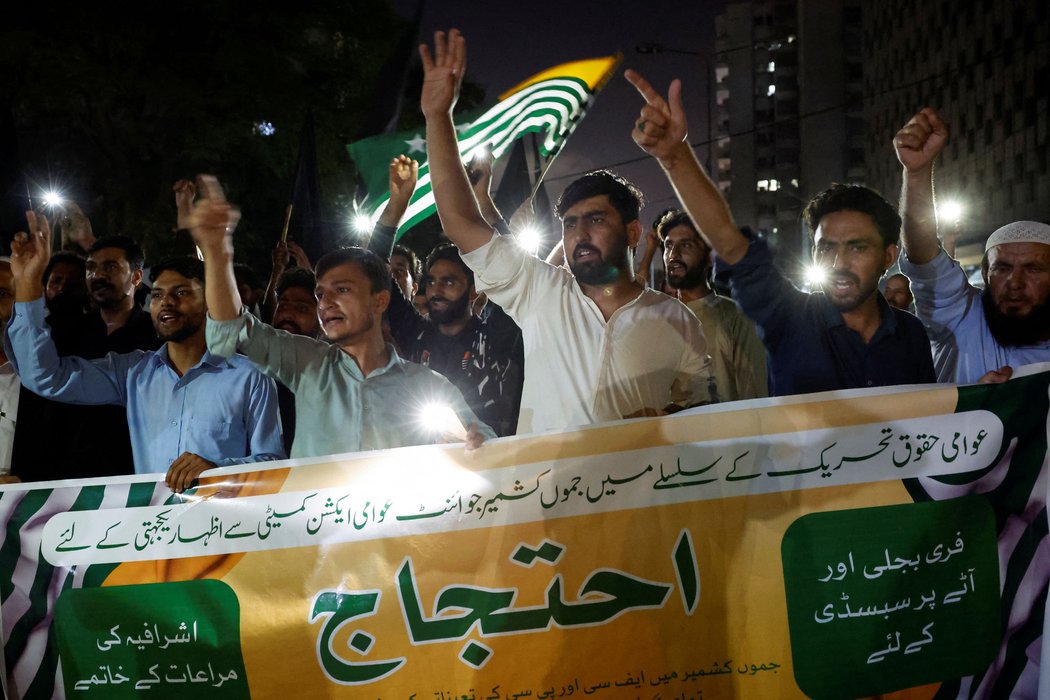
• Mass protests erupted across Pakistan
• Demonstrations spread to major cities
• Anger escalated quickly
👉 For many protesters, this wasn’t just about one man:
It was about who truly controls the country
📉 Deeper Causes: A Divided Power Structure


4
Pakistan’s unrest is rooted in long-standing structural tensions.
🏛️ Civilian vs Military Power
Pakistan has a unique political structure:
• Elected governments exist
• But the military holds significant influence
👉 This creates:
A dual power system
⚖️ Political Polarization
The country is deeply divided between:
• Supporters of Imran Khan
• Opposing political factions
👉 Result:
Highly charged political environment
💰 Economic Crisis
Pakistan has also faced:
• Inflation
• Currency devaluation
• Debt pressure
👉 Economic hardship adds fuel to political unrest
🔥 Nationwide Protests


4
Protests spread across:
• Islamabad
• Lahore
• Karachi
• Other major cities
🔑 Key Features:
• Strong political identity
• Large, organized crowds
• Rapid escalation
👉 In some cases:
• Protesters targeted government and military-related sites
⚔️ Escalation and Crackdown


4
The government responded strongly.
Reports included:
• Mass arrests
• Police crackdowns
• Restrictions on gatherings
👉 The state acted quickly to:
Prevent loss of control
📱 Digital Dimension


4
Digital tools played a major role:
• Social media mobilized supporters
• Videos spread rapidly
However:
👉 Authorities also used:
• Internet restrictions
• Platform monitoring
👉 This reflects:
The modern battle between protest coordination and digital control
⚖️ Why Pakistan Has Not Collapsed
Despite intense unrest, Pakistan has not experienced regime collapse.
Key reasons:
1. Strong Security Establishment
• Military influence stabilizes the system
2. Fragmented Opposition
• Political divisions weaken unified protest
3. State Control Mechanisms
• Rapid crackdowns limit escalation
👉 Result:
Sustained instability without collapse
🌍 Pakistan in the Global Pattern
Pakistan aligns with:
• 🇹🇷 Turkey → controlled political unrest
• 🇷🇺 Russia → strong state control
• 🇮🇷 Iran → protests under pressure
🔁 Pattern Match:
-
Political trigger
-
Mass mobilization
-
Escalation
-
Crackdown
-
Continued instability
🔮 What Happens Next?
Pakistan is likely to experience:
👉 Recurring protest waves tied to political events
Key future triggers:
• Elections
• Legal rulings
• Economic conditions
👉 Risk level:
High for instability, lower for full collapse (for now)
🧠 Final Reflection
Pakistan shows a critical variation in modern protest movements:
👉 Not all uprisings are about overthrowing a system—some are about who controls it
It reveals:
• The importance of power structures behind the scenes
• How divided authority shapes protest outcomes
• Why some movements cannot fully succeed
🔚 Key Insight
Pakistan is not just experiencing protests—
it is navigating a constant struggle over power itself.
Similar Tags
Search
Subscribe
Donate



Your Statistics
For the care and safety of this prayer space, we gently record the time and location of each visit. This helps us protect sincerity while preserving anonymity.
Your Date and Time
IP Addres:
216.73.216.29
System
- OS Linux n
- PHP 8.3.30
- MySQLi 10.6.25-MariaDB-log
- Time 06:20
- Caching Disabled
- Gzip Disabled
- Users 8
- Articles 315
- Articles View Hits 6275
Website Visitors Map
About Greg Loucks
Greg Loucks is a writer, poet, filmmaker, musician, and graphic designer, as well as a creative visionary and faith-driven storyteller working at the intersection of language, meaning, and human connection. Born and raised in Phoenix, Arizona, he has lived in Cincinnati, Ohio; Hot Springs, Arkansas; Williams, Arizona; and Flagstaff, Arizona—each place shaping his perspective, resilience, and creative voice.

Address:
United States of America and Europe
Phone Numbers:
Arizona: (928) 563-GREG (4734)
Tennessee: (615) 899-GREG (4734)
Toll-Free: 888-457-GREG (4734)

Terms & Conditions
Subscribe
Report
My comments