


🖊️ Post


🇮🇩 Indonesia: Rising Protests in a Growing Power


4
Indonesia, one of the world’s largest democracies and fastest-growing economies, has recently experienced renewed waves of protest that reveal deeper tensions beneath its stability.
While not as globally visible as uprisings in places like Iran or Chile, Indonesia’s protests are significant because they reflect a rising pattern seen across emerging economies:
👉 Economic frustration + youth mobilization + distrust of elites
⚡ What Triggered the Protests
Recent protests in Indonesia have been sparked by a combination of events rather than a single moment.
🔥 Key Triggers:
• Rising cost of living
• Fuel and food price increases
• Perceived political elitism
• Anger over specific incidents (including high-profile deaths and injustice cases)
In some cases, protests intensified after:
👉 Public outrage over incidents seen as symbols of inequality or injustice
What began as localized protests quickly spread across:
• Jakarta
• Surabaya
• Bandung
• Other major cities
📉 Deeper Causes: A Familiar Pattern


4
Like many countries in your series, Indonesia’s unrest is rooted in deeper structural issues.
💰 Economic Pressure
Indonesia has experienced economic growth—but not evenly distributed.
Many citizens face:
• Rising living costs
• Wage stagnation
• Housing affordability issues
👉 Growth without equality creates tension
👥 Youth Frustration
Indonesia has a large, young population.
Many young people feel:
• Limited job opportunities
• Economic pressure despite education
• Lack of upward mobility
⚖️ Distrust of Elites
A recurring theme in protests:
👉 Perception that political and economic elites are disconnected from everyday struggles
This mirrors patterns seen in:
• Chile
• Colombia
• France (Yellow Vests)
🔥 How the Protests Spread


4
The protests spread rapidly through:
• Student networks
• Labor groups
• Social media platforms
Participants included:
• University students
• Workers
• Urban middle class
Demonstrations ranged from:
• Peaceful marches
to
• Clashes with police in some areas
⚔️ Clashes and Government Response


4
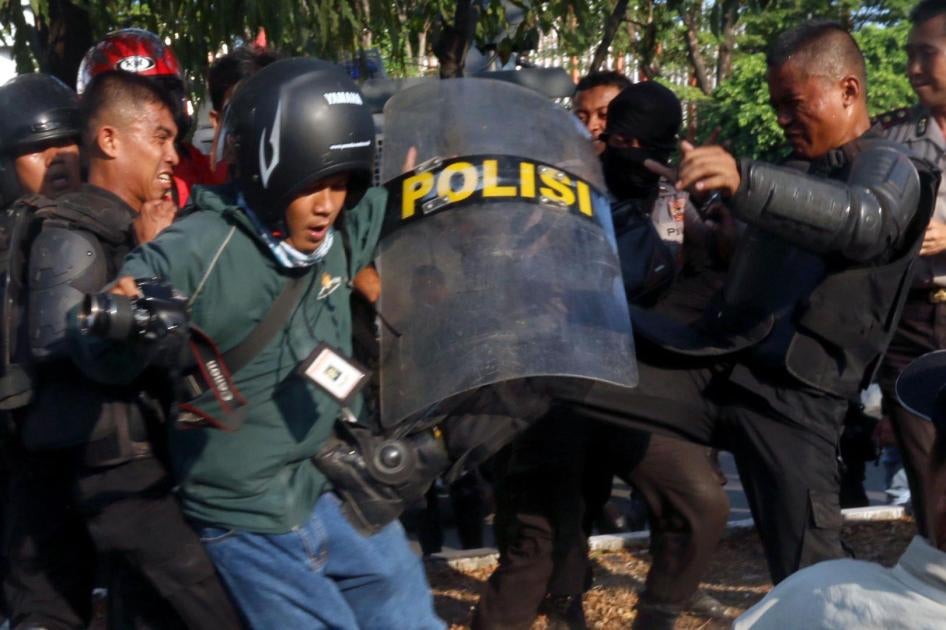
As protests intensified, clashes occurred between demonstrators and authorities.
Reports included:
• Tear gas deployment
• Arrests of protesters
• Crowd control measures
The government response combined:
• Security enforcement
• Public messaging
• Limited concessions
Unlike more extreme cases (like Iran or Syria), Indonesia’s response has remained:
👉 Firm but not fully escalatory
📱 Digital Mobilization


4
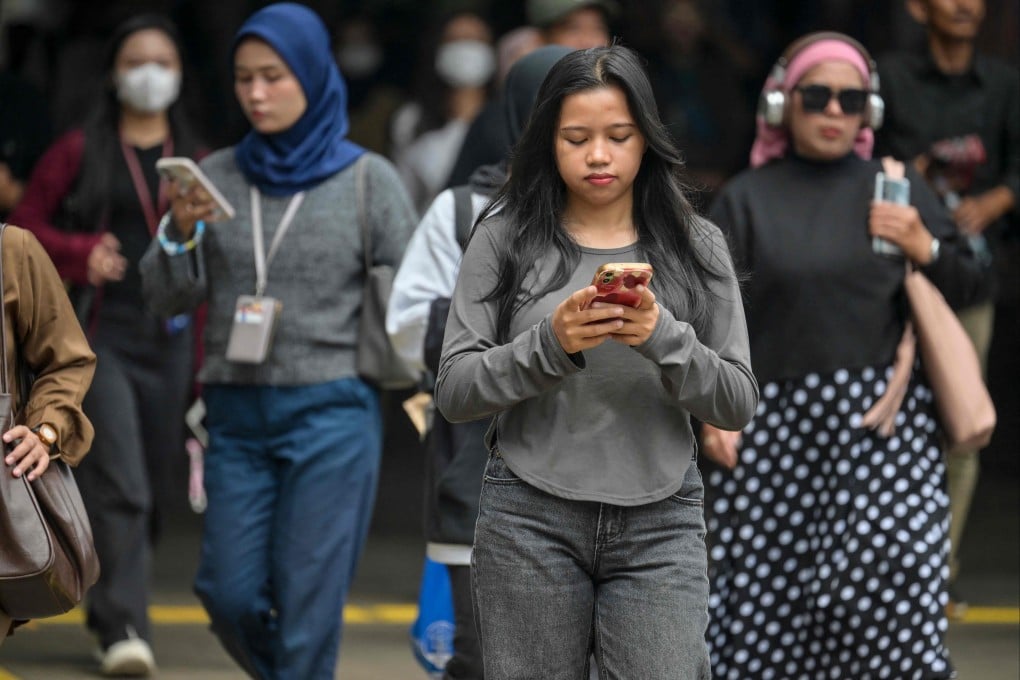
Digital platforms played a major role:
• Twitter (X)
• Instagram
• WhatsApp
These tools allowed:
• Rapid organization
• Viral spread of protest content
• Coordination across cities
👉 Indonesia fits perfectly into your model of:
Modern digitally amplified protest movements
⚖️ Why Indonesia Has Not Escalated Further
Despite unrest, Indonesia has not experienced collapse or revolution.
Key reasons:
1. Democratic Structure
• Elections and political participation exist
2. Military Position
• Security forces remain aligned with the state
3. Economic Momentum
• Growth still provides some stability
4. Controlled Response
• Government balances enforcement with restraint
👉 This places Indonesia in the category of:
“Managed unrest without systemic collapse”
🌍 Indonesia in the Global Pattern
Indonesia closely matches patterns seen in:
• 🇨🇱 Chile → inequality-driven protests
• 🇨🇴 Colombia → economic trigger → broader unrest
• 🇫🇷 France → cost-of-living protests
🔁 Pattern Match:
-
Economic pressure
-
Youth frustration
-
Trigger event
-
Mass mobilization
-
Government containment
🔮 What Happens Next?
Indonesia is unlikely to face sudden collapse.
But:
👉 Recurring protest cycles are likely
Future triggers could include:
• Economic shocks
• Political decisions
• High-profile incidents
🧠 Final Reflection
Indonesia represents a critical type of modern protest environment:
👉 A stable system under growing pressure
It shows that:
• Economic growth alone does not prevent unrest
• Youth expectations are rising globally
• Even strong democracies face recurring protest waves
🔚 Key Insight
Indonesia is not in crisis—
but it is not immune either.
Similar Tags
Search
Subscribe
Donate



Your Statistics
For the care and safety of this prayer space, we gently record the time and location of each visit. This helps us protect sincerity while preserving anonymity.
Your Date and Time
IP Addres:
216.73.216.29
System
- OS Linux n
- PHP 8.3.30
- MySQLi 10.6.25-MariaDB-log
- Time 06:20
- Caching Disabled
- Gzip Disabled
- Users 8
- Articles 315
- Articles View Hits 6275
Website Visitors Map
About Greg Loucks
Greg Loucks is a writer, poet, filmmaker, musician, and graphic designer, as well as a creative visionary and faith-driven storyteller working at the intersection of language, meaning, and human connection. Born and raised in Phoenix, Arizona, he has lived in Cincinnati, Ohio; Hot Springs, Arkansas; Williams, Arizona; and Flagstaff, Arizona—each place shaping his perspective, resilience, and creative voice.

Address:
United States of America and Europe
Phone Numbers:
Arizona: (928) 563-GREG (4734)
Tennessee: (615) 899-GREG (4734)
Toll-Free: 888-457-GREG (4734)

Terms & Conditions
Subscribe
Report
My comments