


🖊️ Post


🇳🇬 Nigeria: Protests in Africa’s Giant Under Pressure


4
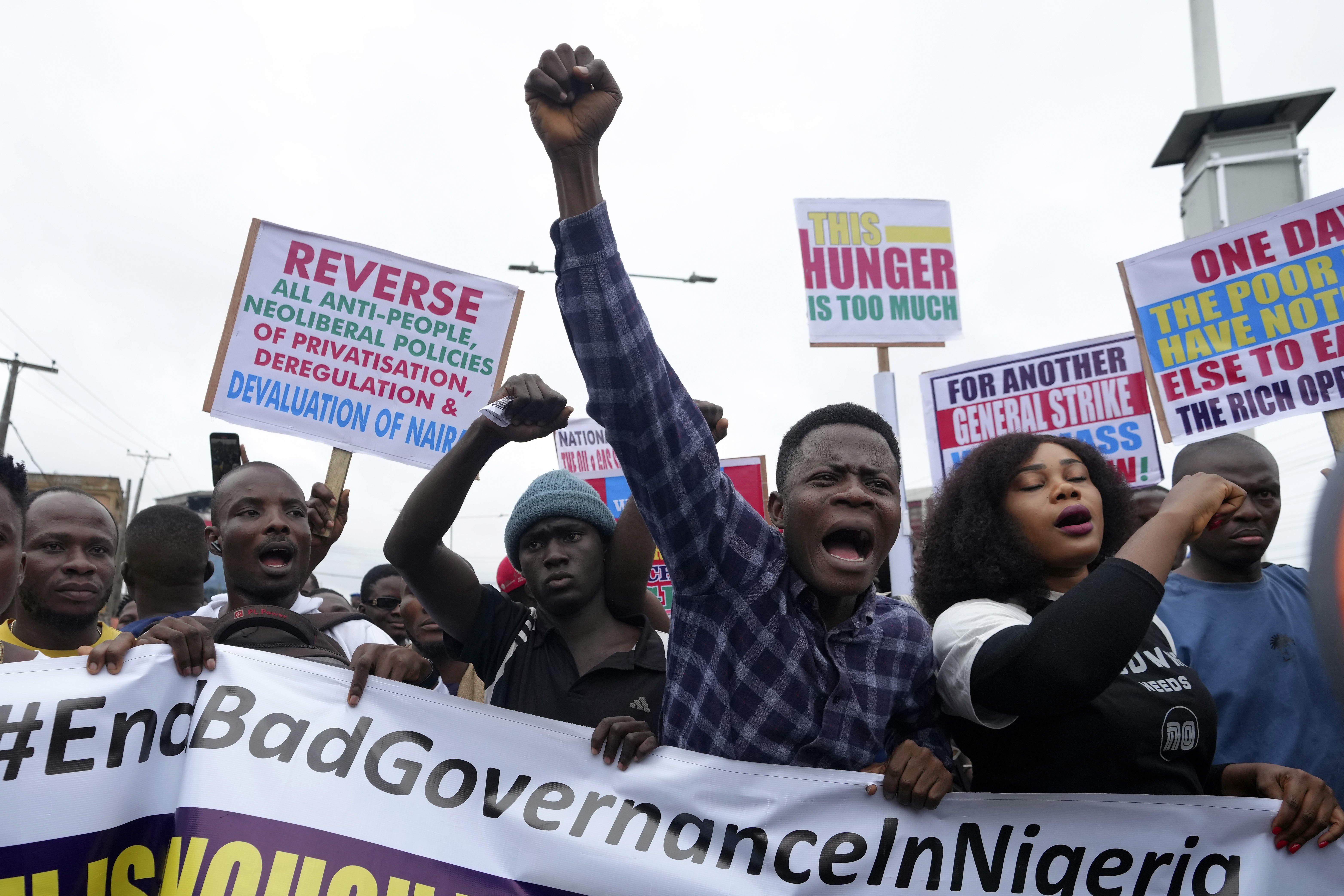
Nigeria, Africa’s most populous country and largest economy, has entered a new phase of protest activity driven by a powerful combination of forces:
👉 Economic hardship + youth frustration + distrust in leadership
While Nigeria has a long history of protests—most notably the #EndSARS movement in 2020—recent unrest reflects something broader:
👉 A growing nationwide pressure fueled by economic crisis and generational change
⚡ The Trigger: Cost of Living Crisis
The most recent wave of protests has been driven by economic policy changes and rising living costs.
🔥 Key triggers:
• Removal of fuel subsidies
• Sharp increases in fuel prices
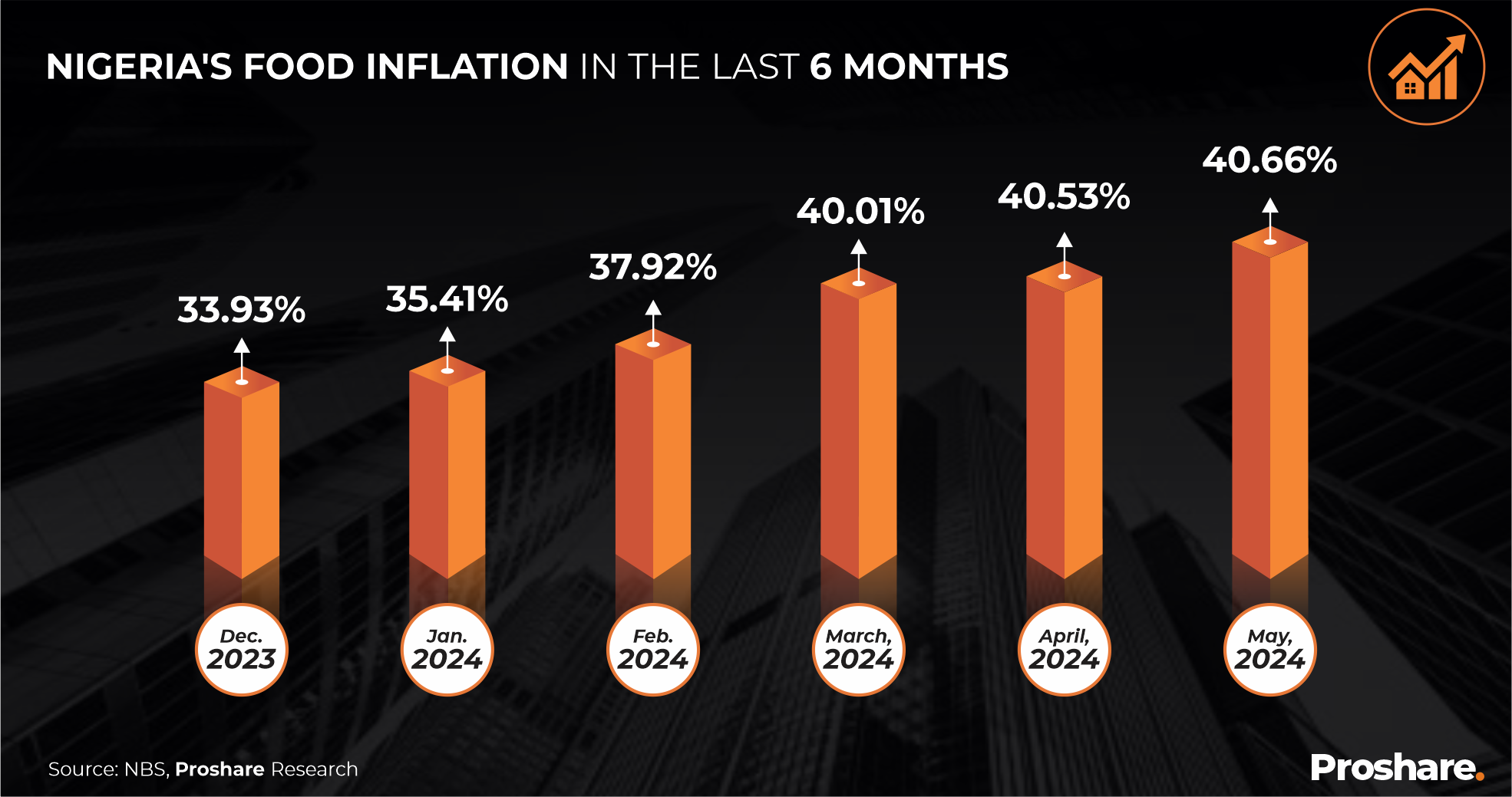
• Inflation affecting food and daily goods
💥 Immediate Impact
For many Nigerians:
• Transportation costs surged
• Food became more expensive
• Daily life became harder to sustain
👉 The public response:
Mass protests across major cities
📉 Deeper Causes: Long-Term Pressure


4
The protests are rooted in deeper structural issues.
💰 Economic Inequality
Nigeria has significant natural resources—but:
• Wealth distribution is uneven
• Poverty remains widespread
👥 Youth Unemployment
Nigeria has one of the largest youth populations in the world.
Many young people face:
• Limited job opportunities
• Underemployment
• Economic insecurity
👉 This creates:
A large, frustrated, and mobilizable population
⚖️ Governance and Corruption Concerns
A recurring theme in protests:
• Distrust of political leadership
• Concerns over corruption
• Perception of mismanagement
🔥 Nationwide Protests


4
Protests have taken place in:
• Lagos
• Abuja
• Kano
• Other major cities
🔑 Key features:
• Youth-led participation
• Mass street demonstrations
• Road blockades and strikes
👉 In some cases, protests escalated into:
• Clashes with security forces
• Property damage
📱 Digital Mobilization


4
Nigeria has been at the forefront of digital protest movements in Africa.
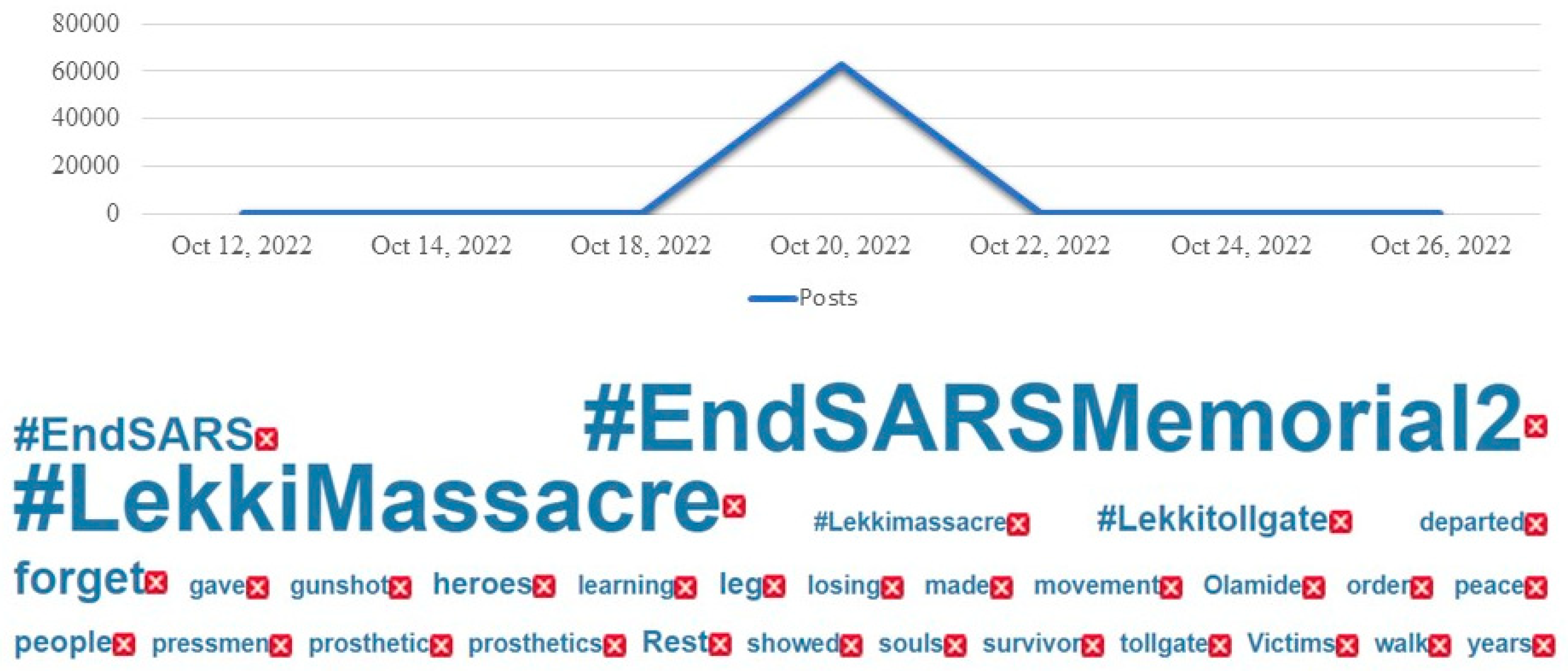
🔑 Example: #EndSARS (2020)
• Organized largely through social media
• Focused on police brutality
• Gained global attention
Current Movement
• Social media continues to drive mobilization
• Hashtags and viral content spread quickly
👉 Nigeria fits the model of:
Digitally amplified, youth-led protest movements
⚔️ Government Response


4
The government response has included:
• Deployment of security forces
• Crowd control measures
• Arrests
In some cases:
• Use of force
• Casualties reported
⚖️ Policy Response
Authorities have also attempted:
• Public messaging
• Economic policy adjustments
👉 However:
Many protesters feel underlying issues remain unresolved
🧠 Why Nigeria Matters
Nigeria is one of the most important countries in your entire series.
🔑 Key Reasons
1. Scale
• Massive population
• Large protest potential
2. Youth Power
• One of the youngest populations globally
3. Economic Pressure
• Inflation + policy changes
4. Digital Activism
• Strong social media-driven movements
👉 Nigeria represents:
A high-risk environment for recurring unrest
🌍 Nigeria in the Global Pattern
Nigeria closely aligns with:
• 🇰🇪 Kenya → tax + youth protests
• 🇨🇱 Chile → cost-of-living crisis
• 🇨🇴 Colombia → economic trigger → national unrest
🔁 Pattern Match:
-
Economic shock
-
Youth mobilization
-
Digital amplification
-
Mass protest
-
Government response
-
Continued tension
🔮 What Happens Next?
Nigeria is likely to experience:
👉 Ongoing protest cycles
Potential future triggers:
• Economic policy changes
• Elections
• Security incidents
👉 Risk level:
High for recurring unrest, moderate for systemic collapse
🧠 Final Reflection
Nigeria highlights a powerful global trend:
👉 Young populations + economic pressure = sustained protest potential
It shows that:
• Growth alone does not prevent unrest
• Youth expectations are rising worldwide
• Digital tools are reshaping activism
🔚 Key Insight
Nigeria is not just reacting to crisis—
it is entering a new era of continuous public pressure.
Similar Tags
Search
Subscribe
Donate



Your Statistics
For the care and safety of this prayer space, we gently record the time and location of each visit. This helps us protect sincerity while preserving anonymity.
Your Date and Time
IP Addres:
216.73.216.29
System
- OS Linux n
- PHP 8.3.30
- MySQLi 10.6.25-MariaDB-log
- Time 06:20
- Caching Disabled
- Gzip Disabled
- Users 8
- Articles 315
- Articles View Hits 6277
Website Visitors Map
About Greg Loucks
Greg Loucks is a writer, poet, filmmaker, musician, and graphic designer, as well as a creative visionary and faith-driven storyteller working at the intersection of language, meaning, and human connection. Born and raised in Phoenix, Arizona, he has lived in Cincinnati, Ohio; Hot Springs, Arkansas; Williams, Arizona; and Flagstaff, Arizona—each place shaping his perspective, resilience, and creative voice.

Address:
United States of America and Europe
Phone Numbers:
Arizona: (928) 563-GREG (4734)
Tennessee: (615) 899-GREG (4734)
Toll-Free: 888-457-GREG (4734)
Terms & Conditions
Subscribe
Report
My comments