


🖊️ Post


🇨🇱 Chile: The Uprising That Rewrote a Constitution


4
The Chilean protests of 2019–2020, often called the “Estallido Social” (Social Explosion), became one of the most significant protest movements in modern Latin America.
What began as a student protest over a small subway fare increase quickly escalated into a nationwide uprising demanding deep structural reform.
Unlike many movements in the Arab Spring or earlier Color Revolutions, Chile’s uprising did not focus on removing a single leader.
Instead, it targeted systemic inequality, economic pressures, and the legacy of past political structures.
The protests ultimately led to a historic outcome:
👉 A national process to rewrite Chile’s constitution.
For supporters, the movement represented a long-overdue demand for social justice and equality.
For critics, it raised concerns about instability, economic disruption, and political polarization.
Chile became a powerful example of how modern protest movements can reshape entire political systems—not just governments.
Chile Before the Protests
Chile was often viewed as one of Latin America’s most stable and economically successful countries.
However, beneath that stability were deep tensions.
Chile’s modern system was heavily influenced by the era of General Augusto Pinochet, who ruled from 1973 to 1990.
Even after the return to democracy, many institutions—including the constitution—retained elements from that period.
By the 2010s, several structural issues had become increasingly visible:
• High cost of living
• Expensive education and healthcare
• Income inequality
• Privatized pension system
While Chile had economic growth, many citizens felt that:
👉 The benefits were not evenly distributed.
The Trigger: A Metro Fare Increase


4
The immediate spark came in October 2019, when the government announced a small increase in Santiago’s metro fares.
Students responded by organizing:
• Mass fare evasion
• Turnstile jumping protests
• Demonstrations inside metro stations
What seemed like a minor issue quickly escalated.
Public frustration exploded into nationwide protests.
A phrase began to circulate among demonstrators:
👉 “It’s not about 30 pesos, it’s about 30 years.”
This reflected deeper anger about decades of inequality and economic pressure.
Nationwide Protests and Mass Mobilization


4
Within days, protests spread across the country.
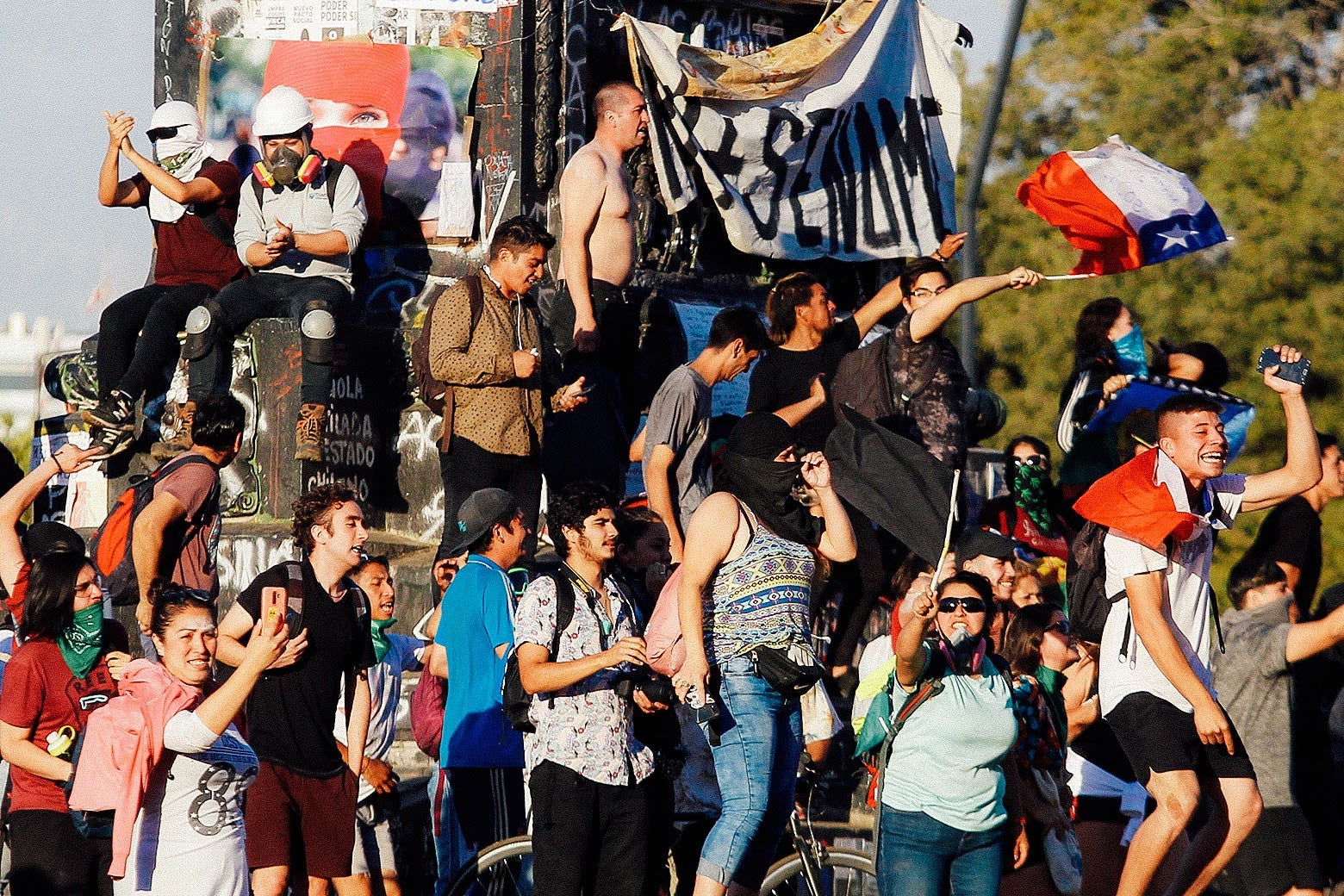
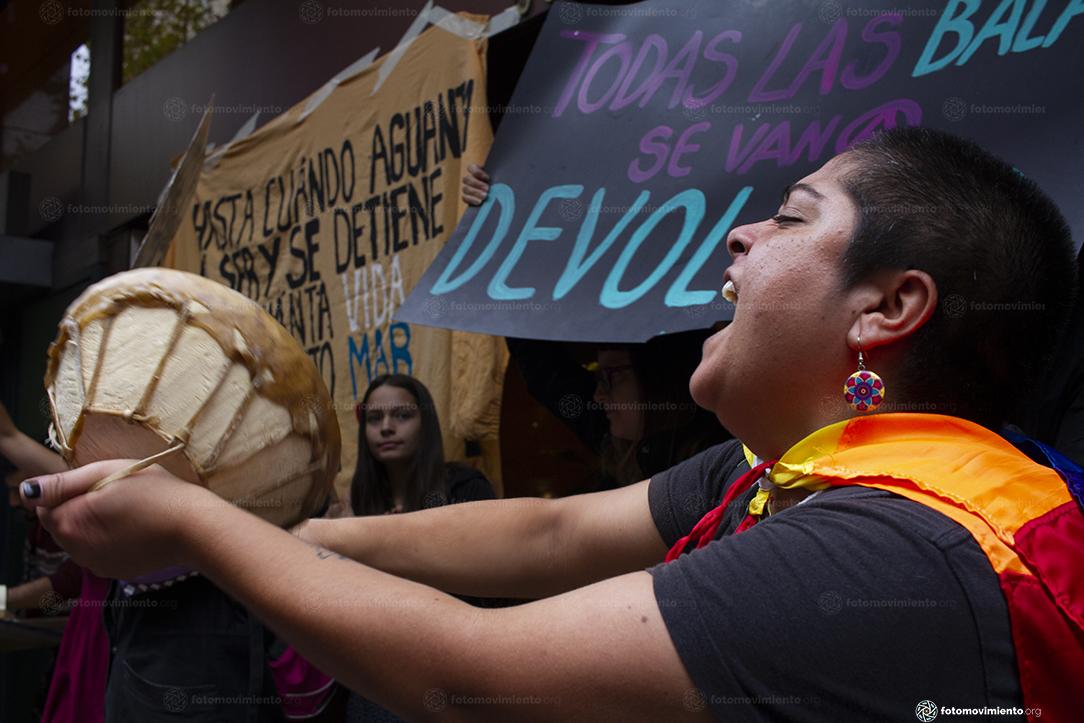
Millions of Chileans participated in demonstrations.
The center of the movement became:
👉 Plaza Italia (renamed Plaza Dignidad by protesters) in Santiago
Participants included:
• Students
• Workers
• Families
• Middle-class citizens
Protests took many forms:
• Marches
• Strikes
• “Cacerolazo” (banging pots and pans)
• Public assemblies
This broad participation made it one of the largest protest movements in Chile’s history.
Escalation and Clashes


4
As protests intensified, clashes broke out between demonstrators and security forces.
Incidents included:
• Burning of metro stations
• Street barricades
• Looting in some areas
Police responded with:
• Tear gas
• Water cannons
• Mass arrests
The government declared a state of emergency, and the military was deployed to the streets for the first time since the end of military rule.
This shocked many Chileans and further intensified protests.
Digital Mobilization and Organization

4
As with other modern movements, digital platforms played a key role.
Activists used:
• Twitter
• Instagram
• WhatsApp
• Facebook
to:
• Organize protests
• Share videos and images
• Coordinate actions
The movement was largely decentralized, with no single leader.
This made it harder to control or negotiate with.
The Government Response: A New Constitution


4
Faced with sustained protests, the Chilean government made a historic decision.
In November 2019, political leaders agreed to hold a national referendum on rewriting the constitution.
In October 2020, Chileans voted overwhelmingly in favor of drafting a new constitution.
This marked a major turning point:
👉 A protest movement had forced a complete constitutional rewrite.
A constitutional convention was later formed to draft the new document.
Why Chile Matters
Chile represents a new type of modern uprising:
👉 A system-level revolution without regime collapse.
Key characteristics:
• Focus on inequality rather than leadership change
• Broad participation across society
• Use of digital coordination
• Institutional outcome (constitutional reform)
It shows that:
👉 Modern protests can reshape the foundations of a state—not just its leadership.
Chile Today
Chile continues to navigate the results of the uprising.
The constitutional process has faced challenges, including:
• Political disagreements
• Public debates over reform
• Rejection of an initial draft in 2022
Despite this, the protest movement permanently changed Chile’s political landscape.
Issues such as:
• Inequality
• Social rights
• Economic reform
remain at the center of national debate.
Chile and the Global Protest Pattern
Chile fits into the broader pattern you’ve built across your series:
Trigger → Mobilization → Mass Protest → Government Response → Structural Change
But it also adds something new:
👉 Revolution without overthrow.
Final Reflection
The Chilean uprising shows that modern protest movements are evolving.
They are no longer just about:
• Removing leaders
• Toppling regimes
They are increasingly about:
👉 Rewriting the rules of the system itself.
Chile stands as one of the clearest examples of how public pressure, digital organization, and mass participation can reshape a nation’s future—without collapsing the state.
Similar Tags
Search
Subscribe
Donate



Your Statistics
For the care and safety of this prayer space, we gently record the time and location of each visit. This helps us protect sincerity while preserving anonymity.
Your Date and Time
IP Addres:
216.73.216.29
System
- OS Linux n
- PHP 8.3.30
- MySQLi 10.6.25-MariaDB-log
- Time 06:18
- Caching Disabled
- Gzip Disabled
- Users 8
- Articles 315
- Articles View Hits 6270
Website Visitors Map
About Greg Loucks
Greg Loucks is a writer, poet, filmmaker, musician, and graphic designer, as well as a creative visionary and faith-driven storyteller working at the intersection of language, meaning, and human connection. Born and raised in Phoenix, Arizona, he has lived in Cincinnati, Ohio; Hot Springs, Arkansas; Williams, Arizona; and Flagstaff, Arizona—each place shaping his perspective, resilience, and creative voice.

Address:
United States of America and Europe
Phone Numbers:
Arizona: (928) 563-GREG (4734)
Tennessee: (615) 899-GREG (4734)
Toll-Free: 888-457-GREG (4734)

Terms & Conditions
Subscribe
Report
My comments