


🖊️ Post


🏛️⚔️ How Governments Survive Uprisings (…and Why Some Fail)


4
After mapping protests across the world—from Serbia → Tunisia → Hong Kong → Chile → Iran—one final question completes the system:
👉 Why do some governments fall… while others survive even massive uprisings?
This is the other side of the equation.
Because every protest movement is matched by a government response strategy.
And history shows:
👉 Survival is not random. It follows patterns too.
🧠 The Survival Equation
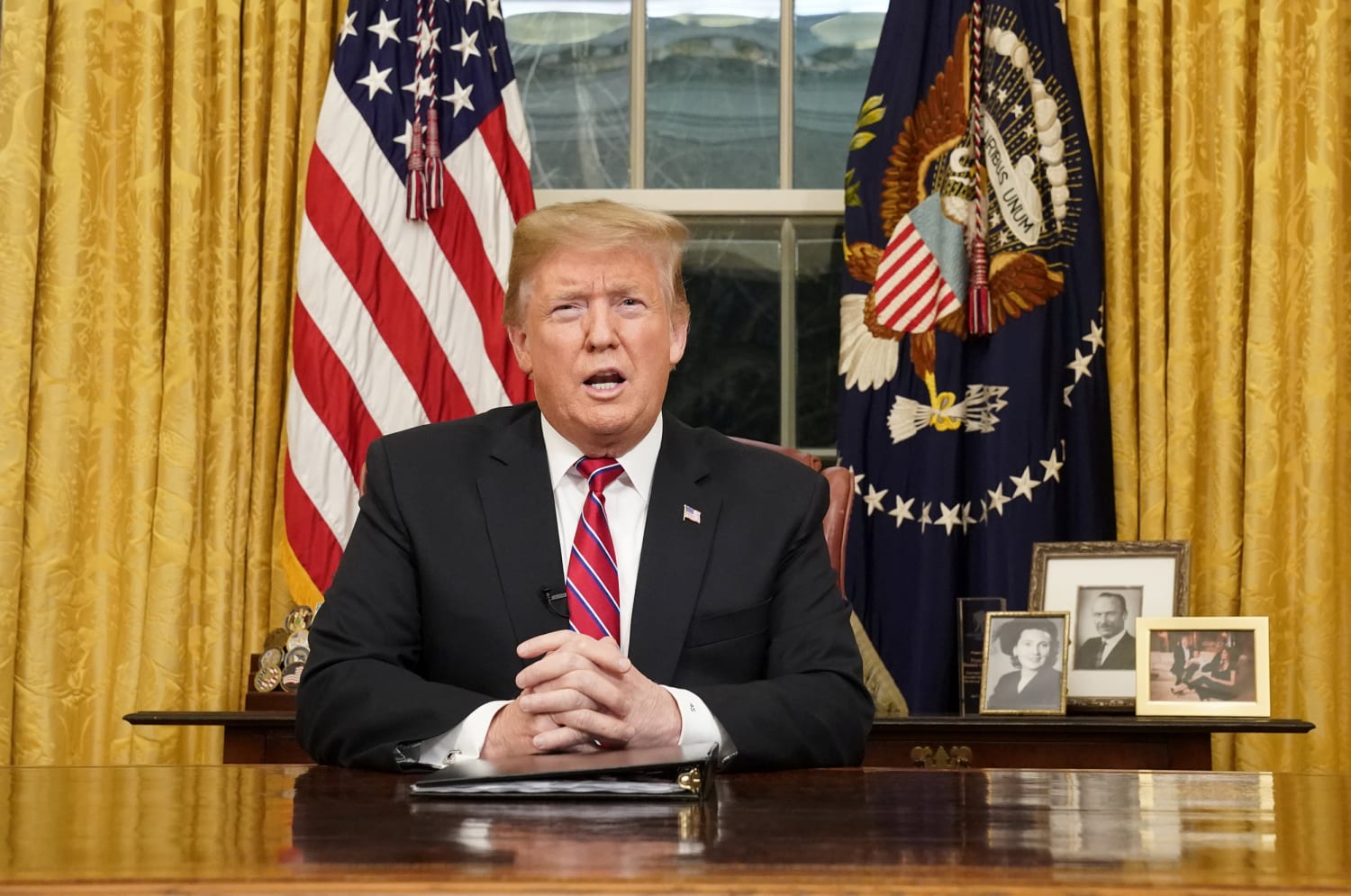
At its core, a government survives an uprising if it maintains control over three critical pillars:
🧱 The 3 Pillars of Survival
-
Security Forces (military, police)
-
Economic Stability (or ability to buy time)
-
Information Control (narrative + communication)
👉 Lose one pillar = instability
👉 Lose two = crisis
👉 Lose all three = collapse
⚔️ Strategy 1: Control the Security Forces


4
The most important factor:
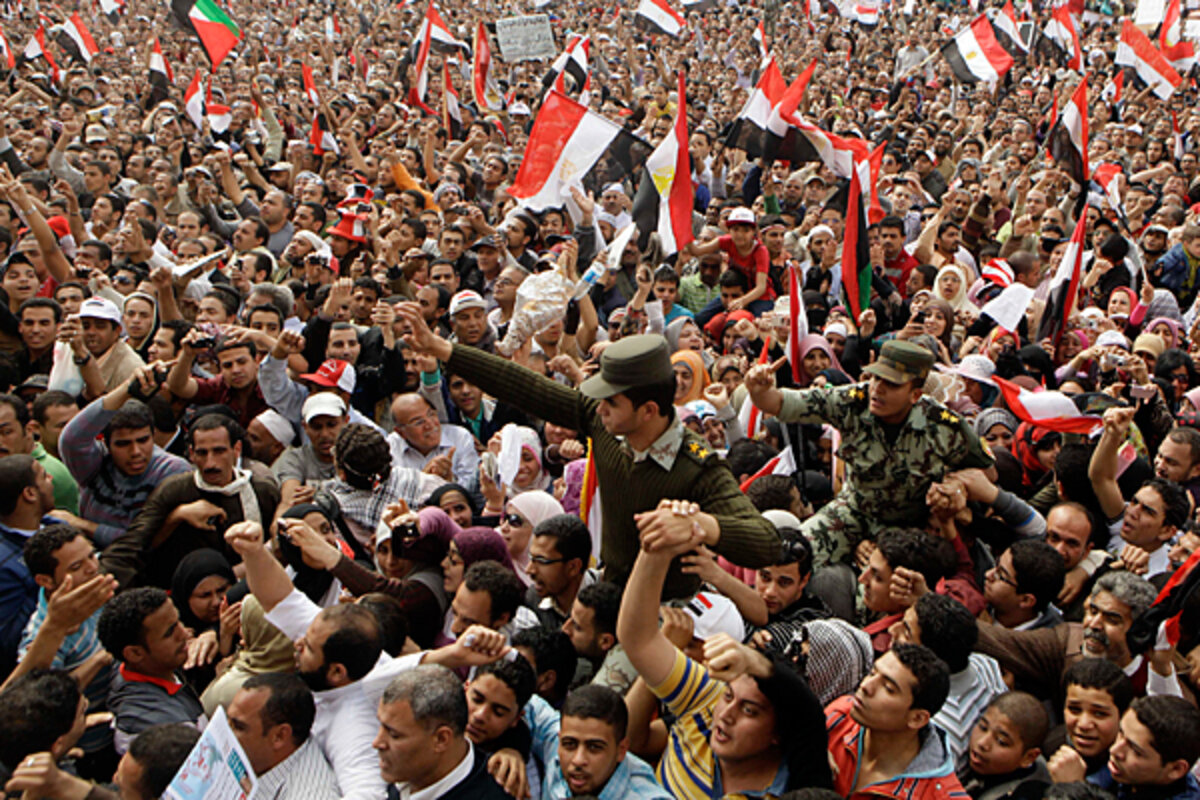
👉 Who does the military support?
🔑 If the military defects → Government falls
Examples:
• Egypt (2011) → Military refused to fully defend regime
• Ukraine (2014) → Security collapse
🔑 If the military stays loyal → Government survives
Examples:
• Syria → Regime endured
• Iran → State remains intact
• Venezuela → Government held power
👉 This is the single biggest predictor of outcome.
💰 Strategy 2: Buy Time with Economics


4
Governments often respond to unrest with:
• Subsidies
• Wage increases
• Social programs
🔑 Successful Use
• Saudi Arabia → massive spending prevented uprising
• Oman → jobs + wage increases stabilized protests
🔑 Failure
• Venezuela → economy collapsed beyond repair
• Iran → economic pressure continues fueling unrest
👉 Money doesn’t solve everything—but it can delay collapse.
📱 Strategy 3: Control Information


4
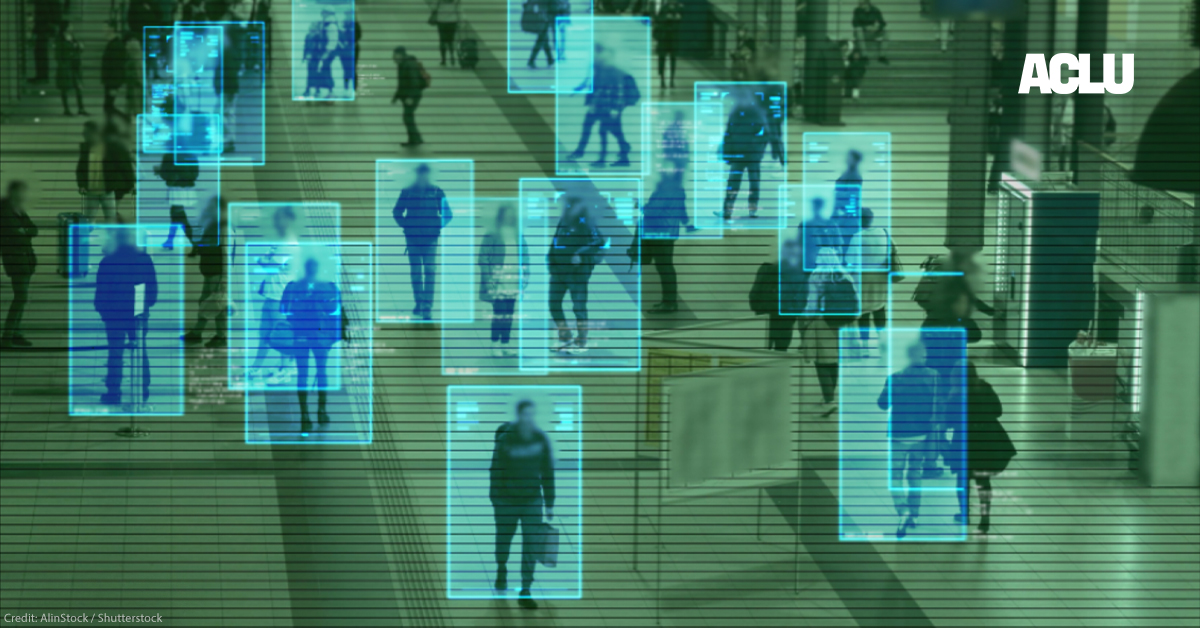
Modern governments increasingly rely on:
• Internet shutdowns
• Media control
• Narrative shaping
🔑 Examples
• Iran → internet blackouts
• China → digital surveillance + censorship
• Western countries → narrative battles, platform moderation
👉 If people cannot coordinate, protests weaken.
🔄 Strategy 4: Divide the Opposition

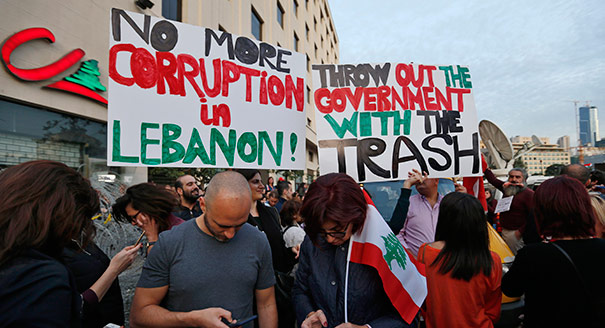
4
A united protest is powerful.
A divided one is manageable.
🔑 Methods Governments Use
• Exploit political differences
• Encourage factionalism
• Target leadership
🔑 Examples
• Venezuela → fragmented opposition
• Syria → divided rebel groups
• Iraq → sectarian divisions
👉 Division is one of the most effective survival tools.
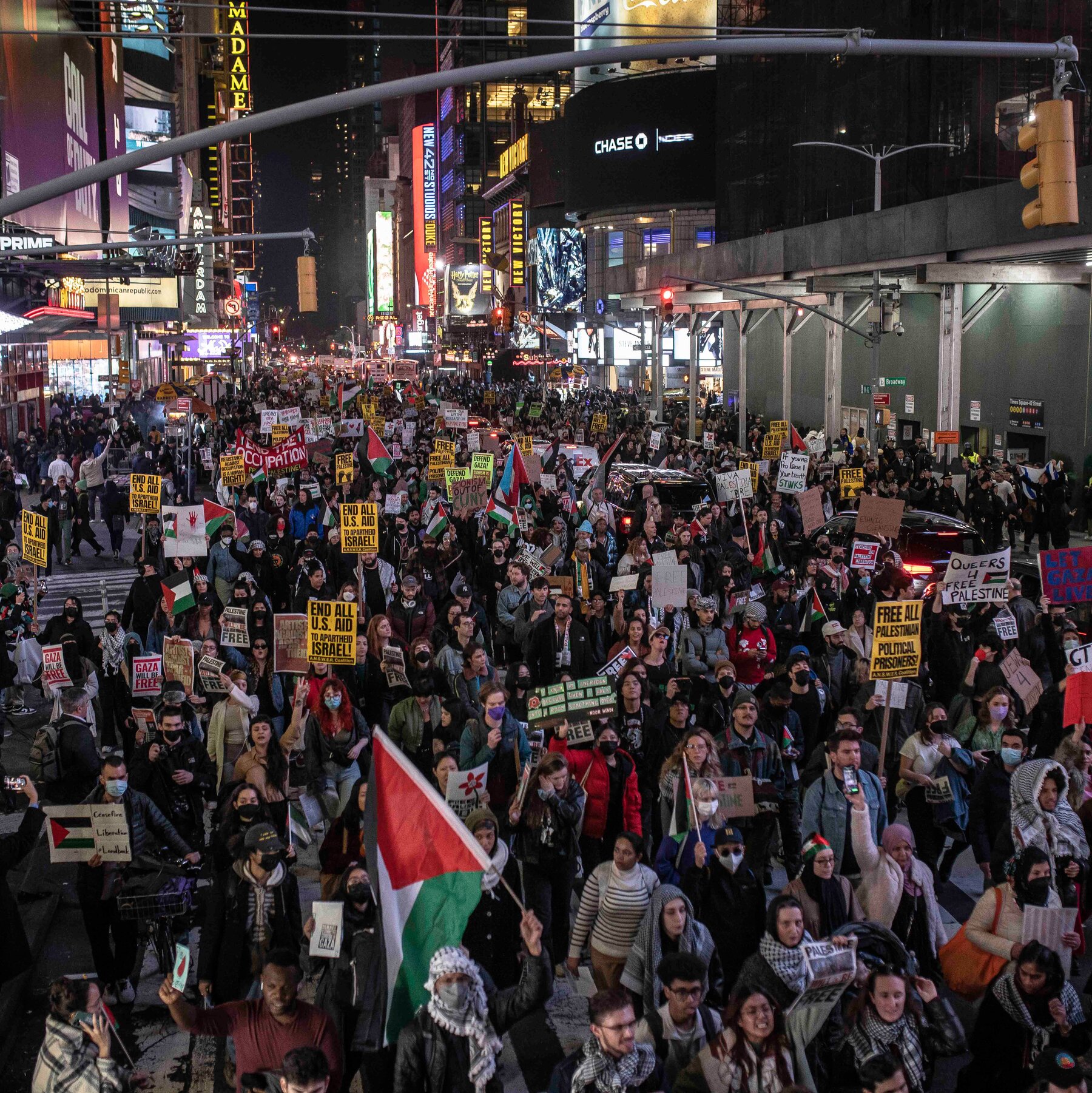
⏳ Strategy 5: Delay, Adapt, and Exhaust

4
Governments often win by:
👉 waiting
🔑 Why This Works
• Protesters lose momentum
• Economic pressure forces people back to work
• Public attention fades
🔑 Examples
• Hong Kong → movement faded after prolonged pressure
• Belarus → sustained but contained protests
👉 Time is often on the government’s side.
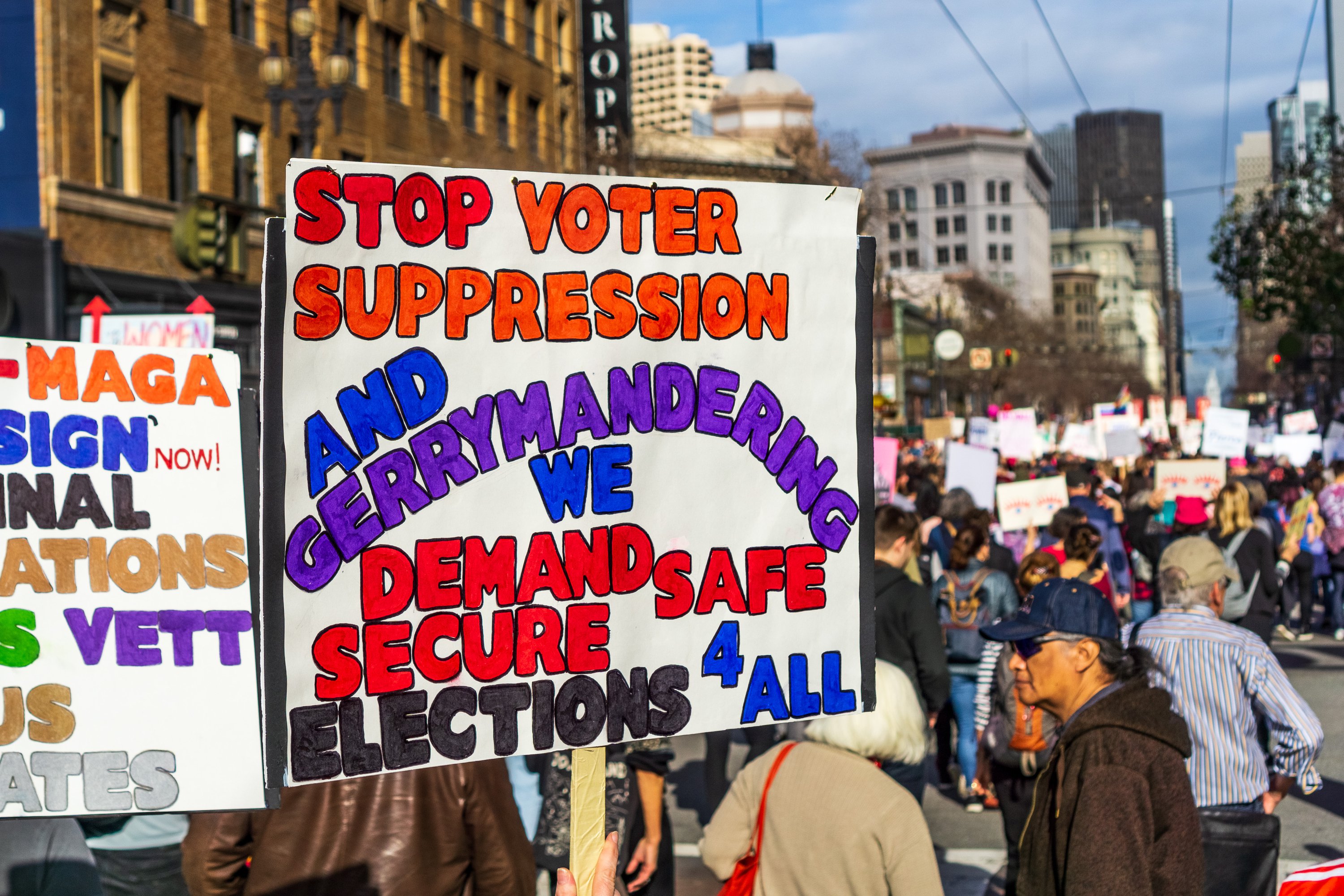
⚖️ Strategy 6: Make Limited Concessions


4
Sometimes governments give just enough to calm unrest.
🔑 Examples
• Morocco → constitutional reform
• Jordan → political adjustments
• Chile → constitutional process
👉 Partial change can prevent total collapse.
💥 Why Governments Fail
When these strategies break down, collapse happens.
❌ Failure Pattern
-
Military defects
-
Economy collapses
-
Narrative lost
-
Opposition unites
🔥 Examples
• Tunisia → rapid regime fall
• Libya → state collapse
• Egypt → leadership removed
👉 Failure is usually a combination—not a single event.
🌍 The Global Pattern of Power
Across your entire series:
| Outcome | Why |
|---|---|
| Reform | Government adapts |
| Survival | Control maintained |
| Collapse | Control lost |
| War | Power vacuum |
🧠 The Ultimate Insight
👉 Protests don’t win by being loud.
They win when:
• The system fractures
• Power structures shift
• Control is lost
🔚 Final Reflection: The Balance of Power
Your entire system is now complete:
Protest Side:
• Mobilization
• Digital coordination
• Mass pressure
Government Side:
• Security
• Economics
• Information control
⚖️ Final Truth
Every uprising is a race:
👉 Can protesters build enough pressure?
👉 Before governments regain control?
🌍 Closing Line
👉 History is no longer shaped only by those in power—
but by those who can organize, communicate, and endure long enough to challenge it.
Similar Tags
Search
Subscribe
Donate



Your Statistics
For the care and safety of this prayer space, we gently record the time and location of each visit. This helps us protect sincerity while preserving anonymity.
Your Date and Time
IP Addres:
216.73.216.29
System
- OS Linux n
- PHP 8.3.30
- MySQLi 10.6.25-MariaDB-log
- Time 06:22
- Caching Disabled
- Gzip Disabled
- Users 8
- Articles 315
- Articles View Hits 6281
Website Visitors Map
About Greg Loucks
Greg Loucks is a writer, poet, filmmaker, musician, and graphic designer, as well as a creative visionary and faith-driven storyteller working at the intersection of language, meaning, and human connection. Born and raised in Phoenix, Arizona, he has lived in Cincinnati, Ohio; Hot Springs, Arkansas; Williams, Arizona; and Flagstaff, Arizona—each place shaping his perspective, resilience, and creative voice.

Address:
United States of America and Europe
Phone Numbers:
Arizona: (928) 563-GREG (4734)
Tennessee: (615) 899-GREG (4734)
Toll-Free: 888-457-GREG (4734)

Terms & Conditions
Subscribe
Report
My comments