


🖊️ Post


🇸🇩 Sudan: From Revolution to Civil War


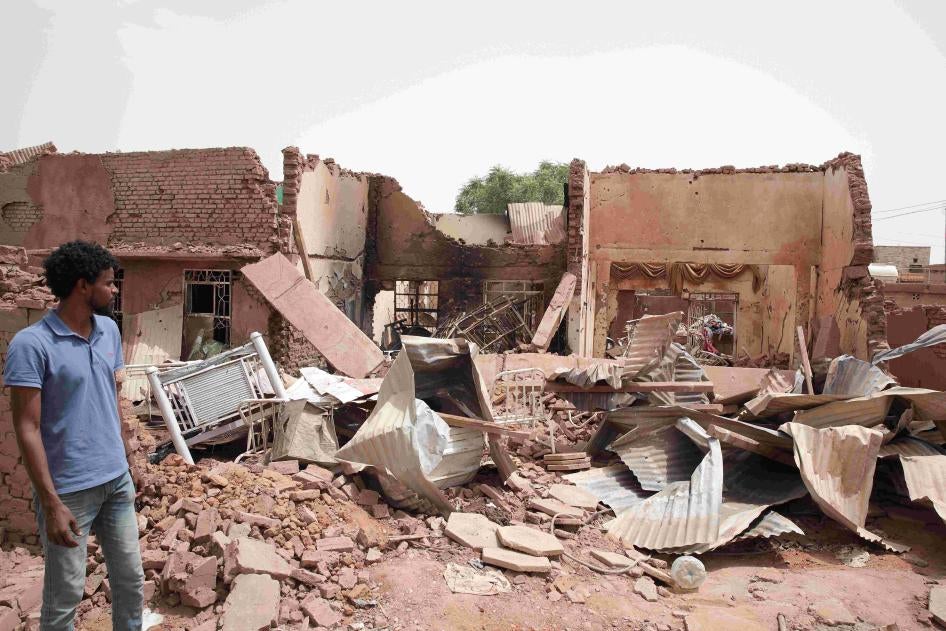
Sudan is one of the most important—and tragic—cases in this entire series.
It began with what looked like a successful people’s revolution.
But instead of leading to stability or reform, it followed a much darker path:
👉 Protest → Regime Collapse → Power Struggle → Civil War
Sudan shows a critical reality:
👉 Removing a government is only the beginning—not the end
⚡ The Trigger: Economic Collapse (2018)
Sudan’s protests began in late 2018.
🔥 Immediate trigger:
• Sharp increases in bread and fuel prices
• Severe economic crisis
💥 Public Reaction
• Protests erupted in multiple cities
• Spread quickly to the capital, Khartoum
• Citizens from all backgrounds joined
👉 What started as economic protest became:
A nationwide uprising against the regime
🔥 The Revolution (2019)


4
The protests grew into a powerful movement.
🔑 Key features:
• Mass sit-ins
• Nationwide participation
• Strong youth and women involvement
💥 Outcome
👉 In April 2019:
President Omar al-Bashir was removed from power
👉 This was seen as:
A major victory for protesters
⚖️ The Fragile Transition
After Bashir’s removal:
• Military leaders took control
• Civilian groups demanded democracy
👉 A transitional government was formed:
Shared between civilians and military
🧠 The Problem
The system had:
• No unified control
• Competing power centers
👉 This created:
Instability beneath the surface
💥 The Turning Point: Military Coup (2021)


4
In 2021, the military seized full power.
⚡ What happened:
• Civilian leadership was removed
• Military consolidated control
💥 Public Response
• Massive anti-coup protests
• Continued demonstrations
👉 But:
The balance had already shifted toward force
⚔️ From Crisis to Civil War (2023–Present)


4
In 2023, tensions between military factions exploded.
🔥 What happened:
• Conflict between Sudanese Armed Forces and Rapid Support Forces
• Fighting spread across the country
💥 Consequences
• Thousands killed
• Millions displaced
• Cities heavily damaged
👉 Sudan entered:
Full-scale civil war
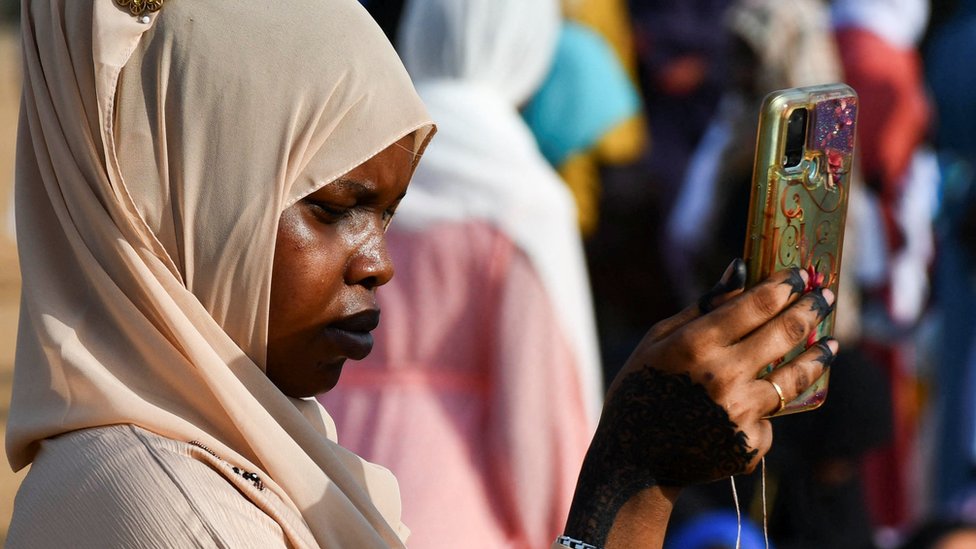
📱 Information Breakdown


4
During the conflict:
• Internet disruptions occurred
• Media access became limited
• Information became fragmented
👉 This reflects:
Total breakdown of communication systems
⚖️ Why Sudan Collapsed
Sudan followed the worst-case path in your model.
🔑 Key Failure Factors
1. Power Vacuum
After Bashir’s removal
2. Competing Armed Groups
Military factions turned against each other
3. Weak Institutions
No stable governing system
4. No Unified Opposition
Protesters could not consolidate power
👉 Result:
Collapse into conflict
🌍 Sudan in the Global Pattern
Sudan fits into the most severe category:
⚫ Protest → Collapse → War
Also seen in:
• 🇱🇾 Libya
• 🇸🇾 Syria
👉 Pattern:
-
Protest
-
Regime removal
-
Power vacuum
-
Armed conflict
🔮 What Happens Next?
Sudan remains in crisis.
Possible outcomes:
• Prolonged civil war
• Fragmentation of the state
• Eventual negotiated settlement (long-term)
👉 Risk level:
Extremely high
🧠 Final Reflection
Sudan delivers one of the most important lessons in your entire series:
👉 Winning the protest does not mean winning the future
It shows:
• The danger of power vacuums
• The importance of institutions
• How quickly hope can turn into conflict
🔚 Key Insight
Sudan is the clearest warning in the modern protest era—
without stable transition, revolution can lead to collapse.
Similar Tags
Search
Subscribe
Donate



Your Statistics
For the care and safety of this prayer space, we gently record the time and location of each visit. This helps us protect sincerity while preserving anonymity.
Your Date and Time
IP Addres:
216.73.216.29
System
- OS Linux n
- PHP 8.3.30
- MySQLi 10.6.25-MariaDB-log
- Time 01:53
- Caching Disabled
- Gzip Disabled
- Users 19
- Articles 315
- Articles View Hits 7202
Website Visitors Map
About Greg Loucks
Greg Loucks is a writer, poet, filmmaker, musician, and graphic designer, as well as a creative visionary and faith-driven storyteller working at the intersection of language, meaning, and human connection. Born and raised in Phoenix, Arizona, he has lived in Cincinnati, Ohio; Hot Springs, Arkansas; Williams, Arizona; and Flagstaff, Arizona—each place shaping his perspective, resilience, and creative voice.

Address:
United States of America and Europe
Phone Numbers:
Arizona: (928) 563-GREG (4734)
Tennessee: (615) 899-GREG (4734)
Toll-Free: 888-457-GREG (4734)

Terms & Conditions
Subscribe
Report
My comments