๐Ÿ–Š๏ธ Post

Your Date and Time:

Cultural Survival, ๐Ÿ‡ช๐Ÿ‡น Ethiopia: The African Kingdom That Survived Empire

A Series on Cultural Survival

https://images.openai.com/static-rsc-3/bxl_XcCmySXt-dOMzKbIrg1_bjfh3P9dHsPtB8Xye7vSQMch5TsxurEfnsdwmyURYjkDQNIPHMcB_8QSBG-I8vbD8ULqpJuFqtik5xMHhyQ?purpose=fullsize&v=1
https://images.openai.com/static-rsc-3/gX5a5wppZX5GSpZv5VZ_7GvYdY4J5DuLdmUD12k-cjuTqWtLH5v51tLCveTx2Ba1EVA5mZRLdbReL1ey3K7yxQMkXzhuUBaaerMkj-kWPn8?purpose=fullsize&v=1
https://images.openai.com/static-rsc-3/8Lkei7ZIv1Chmq9rBveUbWrZrpzcGe3_D5wLyjPwirisGsTHcya6H0qwZd3Odz7KgM7rvt9sLjwBfco-dN9du3prYSD8fiLwetAHtg8u6wU?purpose=fullsize&v=1
4

Throughout history, many nations have been conquered, colonized, or erased by powerful empires.

But the story of Ethiopia stands apart.

It is one of the only countries in Africa that successfully resisted long-term colonization during the age of European imperial expansion.

Surrounded by regions that fell under foreign rule, Ethiopia remained independent for most of its history.

Its identity endured through ancient heritage, strong faith, geographic protection, and determined leadership.

The story of Ethiopia is not only one of resistanceโ€”but of continuity, survival, and a civilization that carried its identity across millennia.


Ancient Roots: A Civilization of Antiquity

https://images.openai.com/static-rsc-3/Zs6e3Hky08pvVBL5AF7lYe_DdjkzRUmWB0q1kfIiLcRO8MxxTyAK-L_zBKEfEarhKgzwpGJRPVbrvKfwUVwZLJC0tsEN1h1cdZiXIHE-Nyo?purpose=fullsize&v=1
https://images.squarespace-cdn.com/content/v1/591d903de58c62e170279d72/1521411966122-51FQIFHM7VGX1EH2VFJG/eo7dYaB.jpg
https://images.openai.com/static-rsc-3/DY-Rdzxi329JXSrvMMQLSPE6PC3A-0z_JrLrb_uc_W6qsJP1t75iNGuYTdiQ4furU0zKS1ELu2z-5m0LIX2nRscR_XASv5sYbdShzmPL7uE?purpose=fullsize&v=1
4

Ethiopiaโ€™s history stretches back thousands of years.

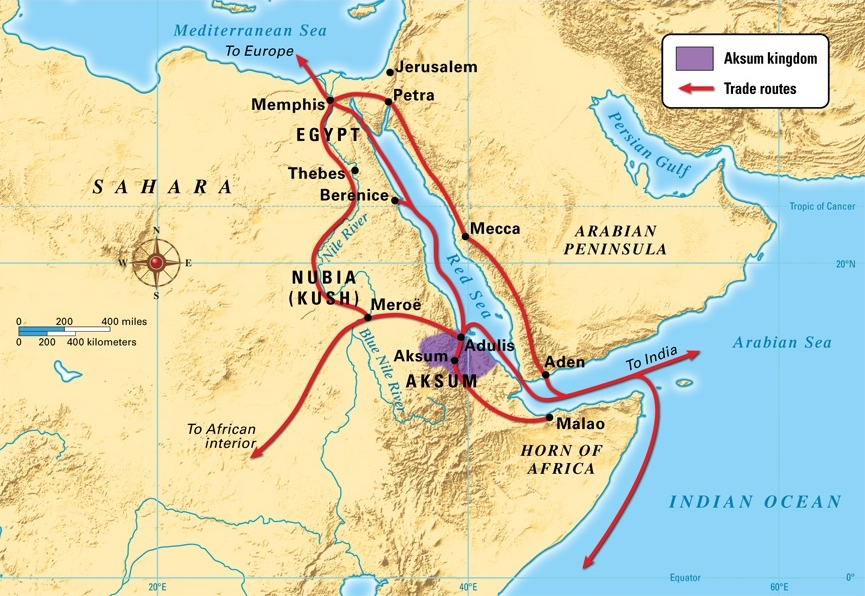
One of the earliest major civilizations in the region was the Kingdom of Aksum, which flourished between the 1st and 7th centuries AD.

Aksum was a powerful trading empire connected to regions across Africa, the Middle East, and beyond.

It developed:

  • advanced architecture

  • written language (Geโ€™ez)

  • strong political organization

Ethiopian tradition also connects the region to the story of the Queen of Sheba, linking it to ancient biblical narratives.

Deuteronomy 32:7
โ€œRemember the days of old; consider the generations long past.โ€

From early on, Ethiopiaโ€™s identity was rooted in deep historical memory.


One of the Worldโ€™s Oldest Christian Nations

https://images.openai.com/static-rsc-3/WvEh9UyGppgCcR35_j7AUyzg6VYpurlnYtWD3tC2Uhl2uwaE9kOL4Se3Gklu_1T2ThQpQqJd3f5wLaROnw-1HnsbwGzaf2v5SoyQOZ5Uz0Y?purpose=fullsize&v=1
https://images.openai.com/static-rsc-3/gX5a5wppZX5GSpZv5VZ_7GvYdY4J5DuLdmUD12k-cjuTqWtLH5v51tLCveTx2Ba1EVA5mZRLdbReL1ey3K7yxQMkXzhuUBaaerMkj-kWPn8?purpose=fullsize&v=1
https://www.schoyencollection.com/media/djcatalog2/images/geez-amharic-bible-ms-1971_f.jpg
4

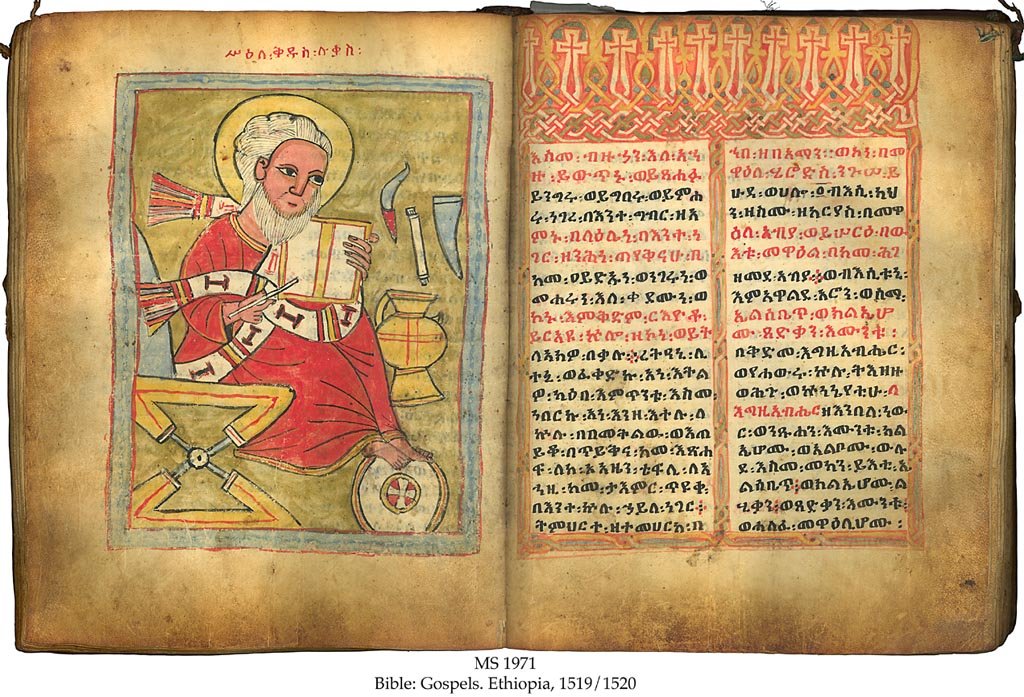
Ethiopia became one of the earliest nations to adopt Christianity as a state religion in the 4th century.

This transformation is associated with
Ezana of Aksum.

The Ethiopian Orthodox Tewahedo Church became central to Ethiopian identity.

Faith shaped:

  • national traditions

  • art and architecture

  • education and literacy

  • daily life

Unique practices and ancient liturgical traditions have been preserved for centuries.

Psalm 46:1
โ€œGod is our refuge and strength, an ever-present help in trouble.โ€

Faith became one of the strongest anchors of Ethiopian identity.


Geography as Protection

https://images.openai.com/static-rsc-3/_ZeDhFntJI6OpZyA7ONlh5Y4NpT_kI6XFuRpt7VDlvL8_1D9uMFURCddN4mPayJINv58IxlQLgHpJj5iXlKrOw7DGD7EPBabXu3PFtgsguo?purpose=fullsize&v=1
https://images.openai.com/static-rsc-3/nyq4eAqGop4DYvlKEbAX3vYVSZshXTTkWfLc4Rkr-Jl1qNvAcwWRlC7SZ_i81rlt0cAEBW8U3gTM-C-JwwcPruYK_oX7M5qetWvHwBkHvfI?purpose=fullsize&v=1
https://www.expedition360.com/journal/huts_valley.jpg
4

Ethiopiaโ€™s geography played a crucial role in its survival.

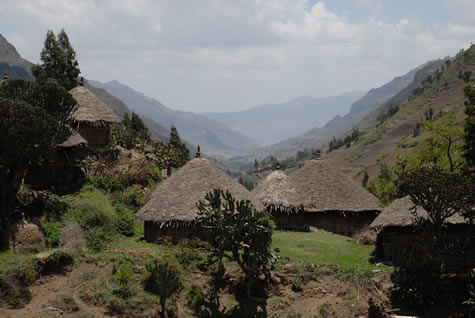
The country is dominated by highlands and mountainous terrain, which historically made invasion difficult.

This natural landscape provided:

  • defensive advantages

  • isolation from external control

  • protection for cultural development

Communities in these regions were able to maintain traditions and identity with relative independence.

Psalm 121:1
โ€œI lift up my eyes to the mountainsโ€”where does my help come from?โ€

The land itself became a form of protection.


Resistance to Colonization

https://images.openai.com/static-rsc-3/UPmGIRIRnm4rwGr92gULdgUBlULoeN5x-duYUbwmwKnbBw2P2LrrDE2R-gb-yHWj8La4jByozFC9eNWRB0Bc_0zuFUg_9ir3XRe1H2zJ55A?purpose=fullsize&v=1
https://images.openai.com/static-rsc-3/z9kj15PY9iqdpRjpCb3dV6GH2lLSL6l7Q9l-8twSuPa2o6UVQuoXewq55nscDMcPHu3T-SECJI4KaaLabJg4InopH7cwvwg8R2EkZ9RF0-s?purpose=fullsize&v=1
https://res.cloudinary.com/bloomsbury-atlas/image/upload/w_568%2Cc_scale%2Cdpr_1.5/jackets/9781472851260.jpg
4

During the late 19th century, European powers expanded across Africa in what became known as the โ€œScramble for Africa.โ€

Most African nations were colonized.

Ethiopia resisted.

Under the leadership of
Menelik II,
Ethiopian forces defeated an invading Italian army at the Battle of Adwa.

This victory was significant not only for Ethiopia, but for all of Africa.

It demonstrated that European colonial powers could be resisted.

Romans 5:3โ€“4
โ€œSuffering produces perseverance; perseverance, character; and character, hope.โ€


A Brief Occupation

https://images.openai.com/static-rsc-3/0vOt0k2YoOoftV3rwc74LeavbeM1nDnoGkawiSxFRkkplD_SvEEImg_n6RPPmT8h_B58tEKg5Q9TgbXpaFDzPCbALb0deg9f2sZUIbJIAEU?purpose=fullsize&v=1
https://images.openai.com/static-rsc-3/WzaSr-dcN3elT7NC0vpI_MC6YvlBhSRxvLfHPXx5qnBWstSil9HxGTfx61vfGE-T7aaLWcYBgEpL2uTrkfqBOP7hs3O6E-EokvV7KlmHHlA?purpose=fullsize&v=1
https://miro.medium.com/v2/resize%3Afit%3A1400/1%2A8aLwbmNCB2XcEcf9B1QaaA.jpeg
4

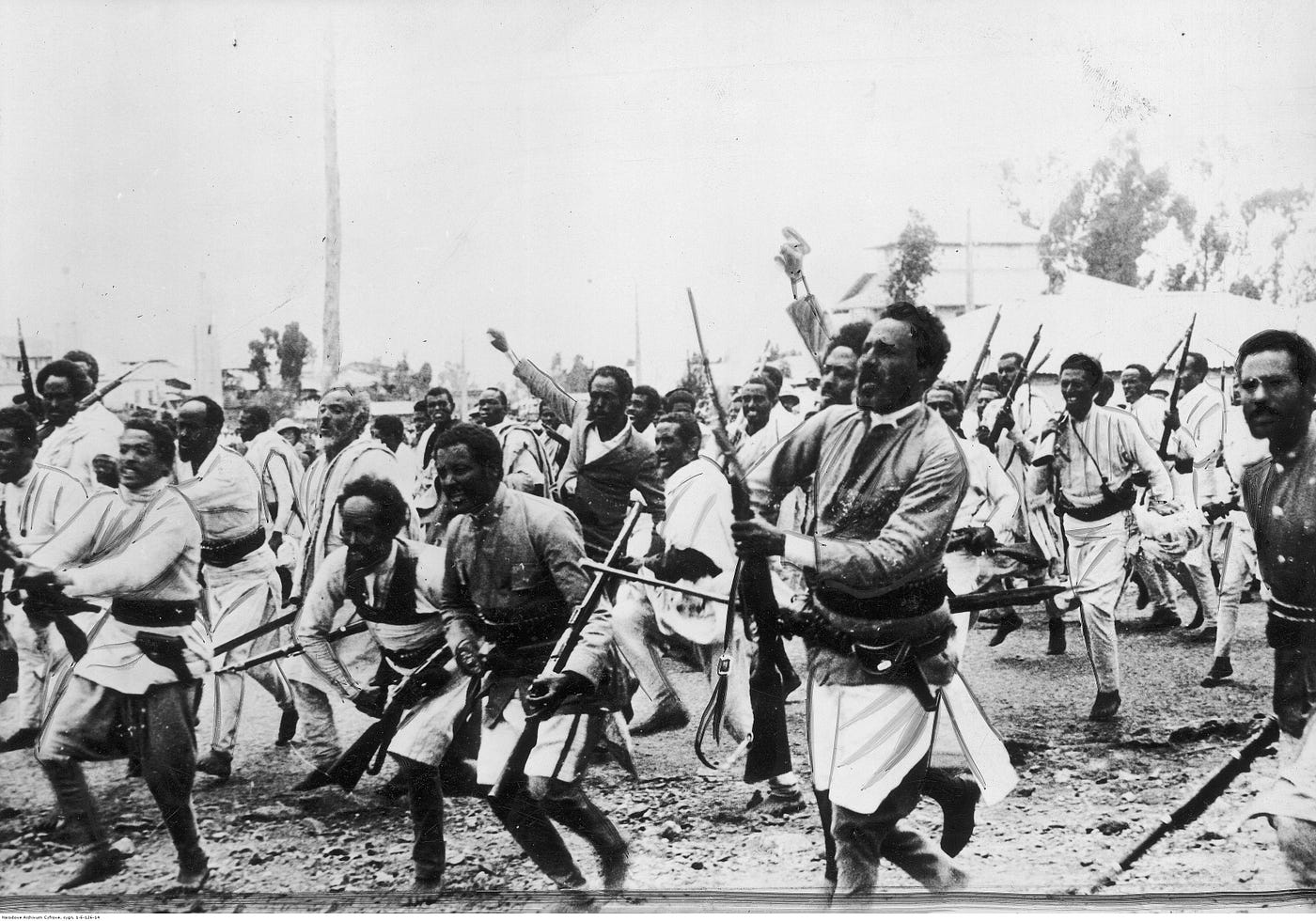
Ethiopia did experience a brief period of occupation.

In 1936, during the reign of
Haile Selassie,
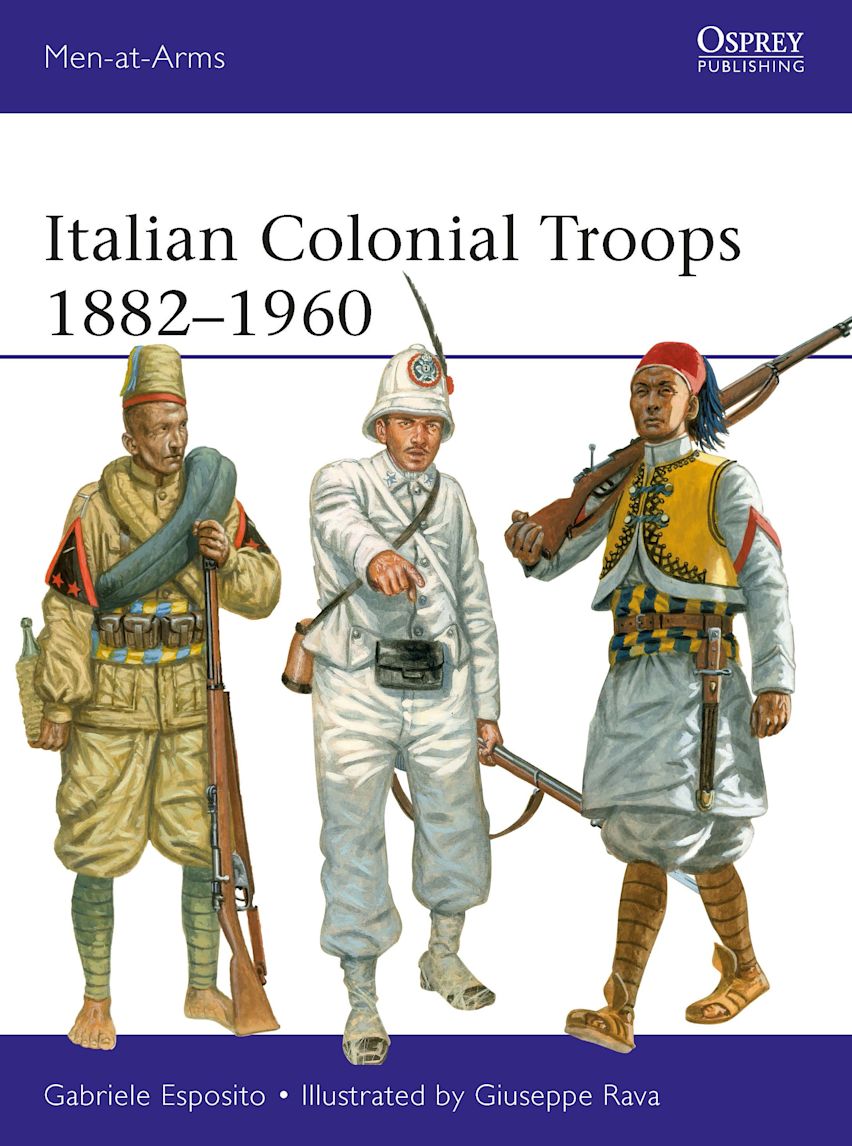
Italy invaded and occupied Ethiopia.

However, this occupation lasted only a few years.

By 1941, Ethiopian forces, along with allies, regained control of the country.

Ethiopia quickly restored its independence.


Culture, Language, and Identity

https://images.openai.com/static-rsc-3/Wk5_mhnkNyTYltL5Hxyj2LytJfK6MKn_H05JCF4oG_TdcDPtfKma1LAXuEyJbydgEteHSZvU8MF5BG_bk6ERkF3EojR-Qr3o0VihJTqtdLY?purpose=fullsize&v=1
https://images.openai.com/static-rsc-3/PKCx-KRyhrMRfhtBSLQBjyCiDF0WxhxmTOfqMAkF7pS8zQ4l6tsS1NyR1zEiB8GwHcCim7KEtAVHGBN09p4gtPhgyAnxR1puTBopopy3ZC0?purpose=fullsize&v=1
https://images.openai.com/static-rsc-3/w60ZioKIVOQBiBqi5_2mEAhhIj_3wKu-g5-mH19gGOM11K7ttgIQ5cL78sVKDdl6MFlxaU3t84lOyf9CFXZ4R1vOhojX-JU78hYk2bYXbxE?purpose=fullsize&v=1
4

Ethiopiaโ€™s cultural identity is expressed through:

  • languages such as Amharic and Geโ€™ez

  • traditional music and instruments

  • religious festivals

  • unique customs like the coffee ceremony

These traditions connect modern Ethiopians with ancient heritage.

Unlike many regions affected by colonization, Ethiopia retained strong continuity between its past and present.


Ethiopia Today: Identity and Continuity

https://images.openai.com/static-rsc-3/LfAHTI1ksDN2-656sF6oLW0uY2gfJv67tw1m9cNPuMaqdkHVdYgcsMRlikCtPq82SGCePdivXUjjvvJJoZN7snoDB4guyt4Lk9lOZs2vB58?purpose=fullsize&v=1
https://images.openai.com/static-rsc-3/Vip6zCUtGLzT9muFuMRdB3k6ksROckyYDFb4_YgxpGmG-WZ16GwM5RdtfTGgfpJjlxQOs8Giik7HJSOM6ls2N7Dh_o08e45PrEKiVgn1DwE?purpose=fullsize&v=1
https://images.openai.com/static-rsc-3/jHUXLbrpJuBGvC-IdOCzI8wPxKsRA_wrvrWOkLJ8-BgHoUIfqj8Yrtz0xdYdlaREH97qwLVhqcYBR__p5VAKhtwWh2tlW-LdCiooJUWQK50?purpose=fullsize&v=1
4

Today, Ethiopia remains one of Africaโ€™s most historically rich nations.

Its identity continues to be shaped by:

  • ancient traditions

  • strong religious heritage

  • cultural diversity

  • national pride rooted in independence


Ministry Reflection: Lessons from Ethiopia

The story of Ethiopia offers powerful spiritual insights.

Faith Can Sustain a Nation

Christianity played a central role in preserving Ethiopian identity.

Leadership Matters

Strong leadership helped Ethiopia resist colonization.

Geography and Identity Are Connected

The land itself helped protect culture and independence.

Hebrews 11:1
โ€œFaith is confidence in what we hope for and assurance about what we do not see.โ€


Prayer Points

Prayer for Ethiopia

Pray for peace, unity, and continued cultural strength.

Prayer for Leadership

Pray for wise and just leadership.

Prayer for Faith Communities

Pray that spiritual life remains strong.

Prayer for Nations

Pray for countries seeking to preserve their identity.

2 Chronicles 7:14
โ€œIf my people, who are called by my name, will humble themselves and prayโ€ฆ then I will hear from heaven.โ€


The Deeper Lesson

Ethiopiaโ€™s story shows that a nation can survive by combining:

  • faith

  • geography

  • leadership

  • cultural continuity

Even in a world of empires, Ethiopia remained a civilization that endured.


Coming Next in This Series

Part 13 โ€” Korea: One People, Two States

South Korea and North Korea share a common cultural identity despite political division.

Their story explores how a nation can remain united in culture even when divided by borders.


go
 

Part 13 โ€” Korea: One People, Two States

A Series on Cultural Survival

https://images.openai.com/static-rsc-3/FrUejbn8sVq4WBhZ3I1RTnijWHxck4M-mVnNgSFJoU4XmDBo06WSpkJGax6XBvR7cN0aZ_lhi3QuBZ6vn0DIGXk6dvcZ9CDk1nBR2mN0syU?purpose=fullsize&v=1
https://images.openai.com/static-rsc-3/6cf8Qf1mugc3marWOoRxNGy8ZIQ0tLxtfOvelJhyQW3khoFweVbJv0vEKUntlZyk7kCdB4PSUEUtqah68i0JDdDj9CpxYI6vOI4iwPR5gPk?purpose=fullsize&v=1
https://images.openai.com/static-rsc-3/CoQ7jtcNvXjN-29V_fgKnYMv9F4o9Q_EpHlzIcyFSsHavUaSfXcy2zoIf3x9iC27xK7e_tiH_kRoVGZ7zfzYXPmKiqutHYrruF1FJwhfFAk?purpose=fullsize&v=1
4

Throughout history, some nations have been erased, others divided, and some transformed beyond recognition.

But the story of Korea is unique.

It is the story of a single peopleโ€”one culture, one language, one historyโ€”now living in two separate states:

  • South Korea

  • North Korea

Despite political division, Korean identity has endured.

The Korean peninsula has experienced invasion, colonization, war, and ideological separation. Yet through all of this, the cultural identity of the Korean people remains deeply connected.

The story of Korea is one of unity beneath divisionโ€”a nation culturally whole, even when politically split.


Ancient Korea: A Shared Beginning

https://upload.wikimedia.org/wikipedia/commons/5/53/History_of_Korea-476.PNG
https://koreajoongangdaily.joins.com/data/photo/2021/12/20/8d1a62bd-7e77-40f4-bba3-7595c46b2c2a.jpg
https://cdn.kastatic.org/ka-perseus-images/7a04de3e86b2e3513af30b2ca89070cede74a055.jpg
4

The roots of Korean identity stretch back thousands of years.

Early Korean civilization developed through kingdoms such as:

  • Goguryeo

  • Baekje

  • Silla

These kingdoms eventually unified under the Silla dynasty, forming a shared cultural and political identity.

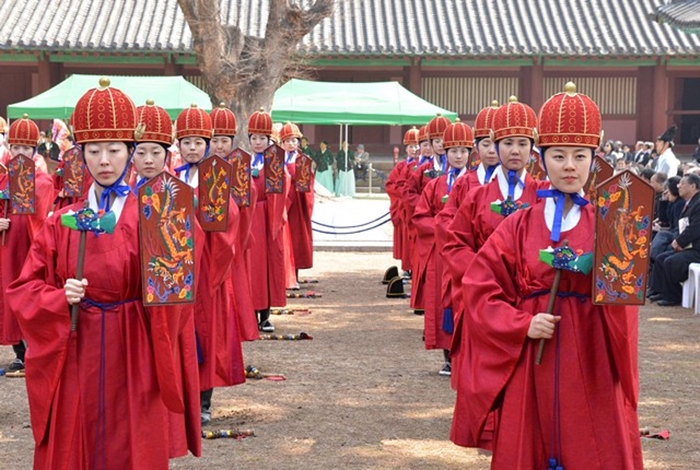
Later dynasties such as Goryeo and Joseon further developed Korean culture, governance, and traditions.

The name โ€œKoreaโ€ itself comes from the Goryeo dynasty.

Deuteronomy 32:7
โ€œRemember the days of old; consider the generations long past.โ€

From early on, Korea developed a strong sense of shared identity.


Language and Script: Hangul

https://images.openai.com/static-rsc-3/PWkfc81-3Q2lM1Ymfp57hx-FvVHLrfShiZM5fOD0wxPFC9xj-1YaASzPc77-_4kyFEDKN1iihUdcCgpUjnG8pzLvK-f9-dAnox2DGW89_lU?purpose=fullsize&v=1
https://images.openai.com/static-rsc-3/0o2J-eHuIzDQDs_5Wd7VyBCjwZ5Es4MN5MAxt9Z4_hoo5GzGsY5ioWCqXvqwRbp9NWncnOM8bWrhcN3lL1V4S_mQ1J0b6Lxy1cvuT7hDZ-4?purpose=fullsize&v=1
https://images.openai.com/static-rsc-3/QRDTLWM-DSLRh7z6Oem_Z0z0pQSxkUKaauyPjjbl3Y4aT_aYaB0LMU8B3MJzizrsieVbgnQDlKTQRx43eHtrXLYlYWnz_kW9woRIJvHzaWo?purpose=fullsize&v=1
4

One of the most important elements of Korean cultural survival is its language.

In the 15th century,
Sejong the Great
introduced the Korean alphabet known as Hangul.

This writing system made literacy more accessible to the general population.

Hangul became a powerful tool for:

  • preserving language

  • strengthening identity

  • unifying the population

Proverbs 22:6
โ€œTrain up a child in the way he should go; even when he is old he will not depart from it.โ€

Language became a cornerstone of Korean identity.


Cultural Foundations

https://www.korea.net/upload/content/editImage/sungkyunkwan_confucian_munmyo_seokjeon_dunbar_06.jpg
https://images.openai.com/static-rsc-3/0o-y4zboPzaNEQ1Zoqr4_5x3Roc507sI_ChJ-_T9Rtlm60Xpx6_3VP8K84B2eM2OVYJnkLFHp7ZPDKDYTiHr_hH1MMVdY0KMboufZPDFo7Q?purpose=fullsize&v=1
https://images.openai.com/static-rsc-3/grf2KpWChn8sR0KyndReFBm0Z4KRrtzZ9dHNcui-LKCj5svrrHXEh8n_LgtnvaAaYC__7KWsXfzK7CE7650t-Ek9kjKAqBWamnQo1aFeva0?purpose=fullsize&v=1
4

Korean culture developed through a blend of influences, including:

  • Confucian philosophy

  • Buddhism

  • traditional beliefs

These influences shaped:

  • family structure

  • education

  • respect for elders

  • social values

Even today, these traditions continue to influence Korean society.

Psalm 133:1
โ€œHow good and pleasant it is when Godโ€™s people live together in unity!โ€


Japanese Occupation

https://res.cloudinary.com/aenetworks/image/upload/c_fill%2Cw_1200%2Ch_630%2Cg_auto/dpr_auto/f_auto/q_auto%3Aeco/v1/how-japan-took-control-of-koreas-featured-photo
https://upload.wikimedia.org/wikipedia/commons/thumb/f/f4/%28Red_Cross_pamphlet_on_March_1st_Movement%29_%28KADA-shyun15-012~20%29_%28cropped%29.jpg/250px-%28Red_Cross_pamphlet_on_March_1st_Movement%29_%28KADA-shyun15-012~20%29_%28cropped%29.jpg
https://upload.wikimedia.org/wikipedia/commons/a/a8/L%E2%80%99Ind%C3%A9pendance_de_la_Cor%C3%A9e_et_la_Paix-02.jpg
4

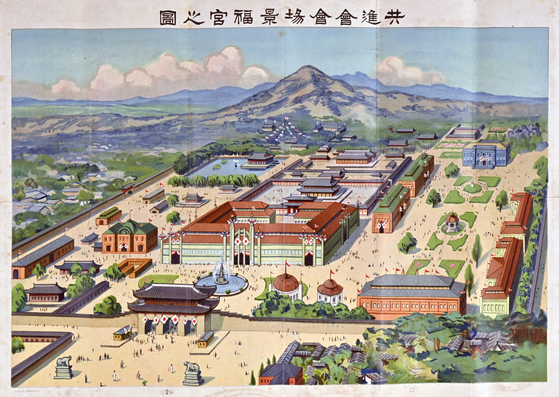
In 1910, Korea was annexed by Japan.

During the occupation:

  • Korean language was restricted

  • Korean names were replaced

  • cultural practices were suppressed

  • resources were controlled by colonial authorities

Despite these efforts, Korean identity survived.

Movements such as the March 1st Movement (1919) demonstrated the desire for independence.

Romans 5:3โ€“4
โ€œSuffering produces perseverance; perseverance, character; and character, hope.โ€


Division After World War II

https://images.openai.com/static-rsc-3/Q0Xn7r7bZDv4OxtribdaNHw93suSj8eCpHU6Qk0jSq9ItqSqOd6Gnfn2LkbxsB2fA-KBrQR7xw2v_5DvA03enjcyiSEL1VodwFapU_bKxQY?purpose=fullsize&v=1
https://api.army.mil/e2/c/images/2016/11/07/456321/size0-full.jpg
https://images.openai.com/static-rsc-3/onJxYTw5orRZpOweB1h2tISopvccPcxOevtqdZkKgknp49KSKO6xxN78Obc2aFEhsjzezk1Yek1jh30i0-eVzYgN-hdnP0VFAfudoBpLTEc?purpose=fullsize&v=1
4

After World War II, Korea was divided along the 38th parallel.

Two separate states emerged:

  • North Korea

  • South Korea

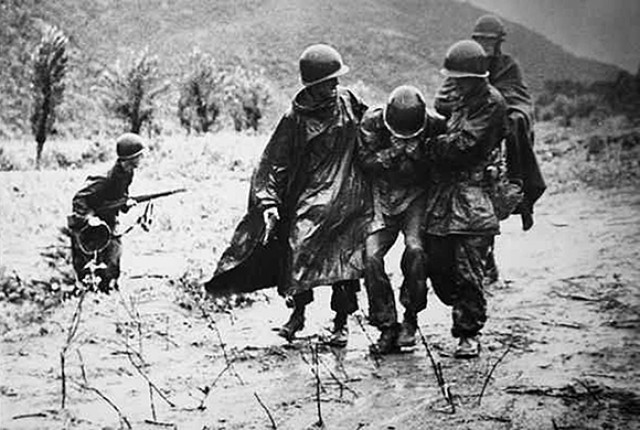
The Korean War solidified this division.

Families were separated. Political systems diverged.

Yet the people shared the same cultural roots.


Two Systems, One Culture

https://th-thumbnailer.cdn-si-edu.com/wE_WQIwYfY050qYogCdDxts9G3U%3D/fit-in/1600x0/https%3A//tf-cmsv2-smithsonianmag-media.s3.amazonaws.com/filer/Seoul-Dongdaemun-Design-Plaza-631.jpg
https://images.openai.com/static-rsc-3/saCjtn144FUrqtQW5SqIi9g_vYclYdXe0h6c2ytFGiFoS5ptEUbrsuFkqazGkYwzc_Og4Hw9dAs1CJ4a2vDTDIIrzhXLrN9QJfUhiTTa5_s?purpose=fullsize&v=1
https://images.openai.com/static-rsc-3/lk5KLX8jDhMCVLHM6_dM0byvL6AMc6jo7YthZiEW1bIfUDzhLO6a3p1GOXwZTNKxmb8TJtqa6G9lJXv6x89VR4JZQeI4OGAlo3mAsayaWaE?purpose=fullsize&v=1
4

Today, North and South Korea have very different political and economic systems.

However, they still share:

  • language

  • history

  • traditional customs

  • cultural values

Celebrations such as Chuseok (harvest festival) and foods like kimchi remain part of shared identity.


Korea Today: Division and Connection

https://images.openai.com/static-rsc-3/fhiLO9AmfHlIT7pX3RkKFpazV7DfNg0XDR3z0Qx_RY6nQ7IgdAaURDq-pfJF8ozx7ljLWjZJDsUSciUKkzTo4mKaRiLZgcbEN5BDQQ4dw04?purpose=fullsize&v=1
https://images.squarespace-cdn.com/content/v1/534fc55ce4b0b045e684f0c7/5bba2e3d-9ac6-490c-a112-222f2fa4d3d3/KPop%2BBands.jpg
https://images.openai.com/static-rsc-3/56XOBVwxcyQt4cQPXOHbAkUMQejCK_UVdarEhs5Ftd93RSkjmYqHhA3L9VzA__59-YDv_kIR3qTqy9sMZpTrNLrHKBKU8EYB_PmY-01NDGE?purpose=fullsize&v=1
4

South Korea has developed into a global cultural and economic power.

North Korea remains more isolated.

Despite these differences, the idea of a shared Korean identity continues to exist.

Families separated by division still hope for connection.


Ministry Reflection: Lessons from Korea

The story of Korea offers powerful spiritual insights.

Unity Can Exist Beneath Division

Even when political systems differ, cultural identity can remain strong.

Language Preserves Identity

A shared language can unite people across borders.
Hope for Reconciliation

Division does not have to be permanent.

Hebrews 11:1
โ€œFaith is confidence in what we hope for and assurance about what we do not see.โ€


Prayer Points

Prayer for Korea

Pray for peace and reconciliation on the Korean peninsula.
Prayer for Families

Pray for families separated by division.

Prayer for Unity

Pray for unity among people with shared identity.

Prayer for Peace

Pray for lasting peace and stability.

2 Chronicles 7:14
โ€œIf my people, who are called by my name, will humble themselves and prayโ€ฆ then I will hear from heaven.โ€


The Deeper Lesson

Koreaโ€™s story shows that a nation can remain culturally united even when politically divided.

A nation lives through:

  • language

  • traditions

  • shared history

  • identity

Even borders cannot fully separate a people.


Coming Next in This Series

Part 14 โ€” Vietnam: Culture Against Empire

Vietnam offers a powerful story of resistance, where culture survived through centuries of foreign domination.

Its story reveals how identity can endure through resilience and adaptation.

1000 Characters left


Related Articles

Similar Tags

Search

Subscribe

RSS Feed

Donate

Online Donation


Your support makes a difference! Please use this form to make your online donation. If you wish to support a specific cause or project, let us know in the comment box below

1

CHOOSE OR SELECT YOUR AMOUNT

$

$
Make this donation in times

2

YOU ARE DONATING AS GUEST or Login

3

CHECKOUT

Privacy Policy
By making this donation and agreeing to the Privacy Policy you agree to this web site storing your information.
Paypal
$CashApp
GiveSendGo

Your Statistics

For the care and safety of this prayer space, we gently record the time and location of each visit. This helps us protect sincerity while preserving anonymity.

Your Date and Time

๏ปฟ
IP Addres:
216.73.216.29

System

  • OS Linux n
  • PHP 8.3.30
  • MySQLi 10.6.25-MariaDB-log
  • Time 03:53
  • Caching Disabled
  • Gzip Disabled
  • Users 7
  • Articles 315
  • Articles View Hits 6220

Website Visitors Map

About Greg Loucks

Greg Loucks is a writer, poet, filmmaker, musician, and graphic designer, as well as a creative visionary and faith-driven storyteller working at the intersection of language, meaning, and human connection. Born and raised in Phoenix, Arizona, he has lived in Cincinnati, Ohio; Hot Springs, Arkansas; Williams, Arizona; and Flagstaff, Arizonaโ€”each place shaping his perspective, resilience, and creative voice.

About Me

Address:

United States of America and Europe

Phone Numbers:

Arizona: (928) 563-GREG (4734)

Tennessee: (615) 899-GREG (4734)

Toll-Free: 888-457-GREG (4734)

Emails:

greg@gregloucks.com

greg@gregloucks.org

Open menu