


🖊️ Post


Cultural Survival, 🇻🇳 Vietnam: Culture Against Empire
A Series on Cultural Survival


4
Throughout history, some nations have been shaped by a single empire.
But the story of Vietnam is one of enduring identity through multiple waves of foreign domination.
For over a thousand years, Vietnam faced influence or control from powerful neighbors and colonial empires. Yet through all of this, Vietnamese culture survived.
Language endured. Traditions remained. Identity adapted—but did not disappear.
The story of Vietnam is one of resilience through adaptation—a nation that absorbed outside influences while preserving its core identity.
Ancient Origins and Early Identity


4
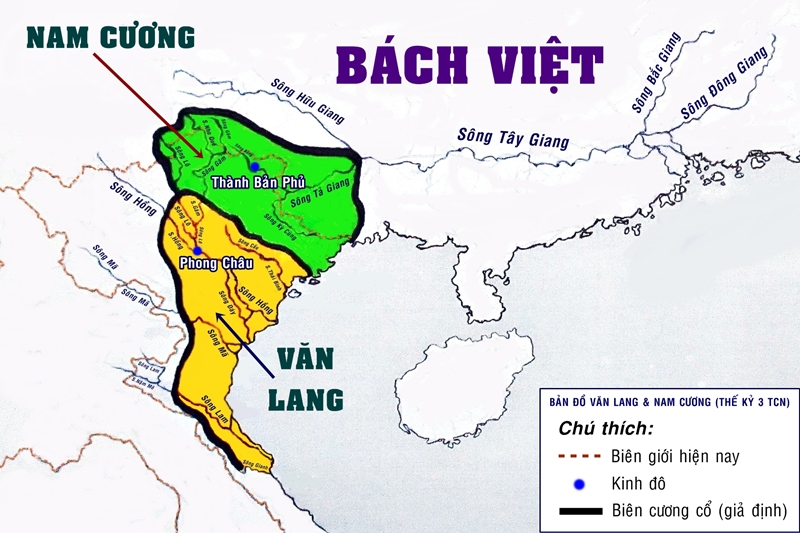
Vietnamese civilization developed along the fertile Red River Delta, one of Southeast Asia’s earliest centers of agriculture.
Early states such as Văn Lang and Âu Lạc laid the foundations of Vietnamese identity.
The region’s culture included:
-
rice cultivation
-
village-based communities
-
strong family structures
-
spiritual traditions tied to ancestors and nature
Deuteronomy 32:7
“Remember the days of old; consider the generations long past.”
From the beginning, memory and tradition shaped Vietnamese identity.
A Thousand Years Under China

4
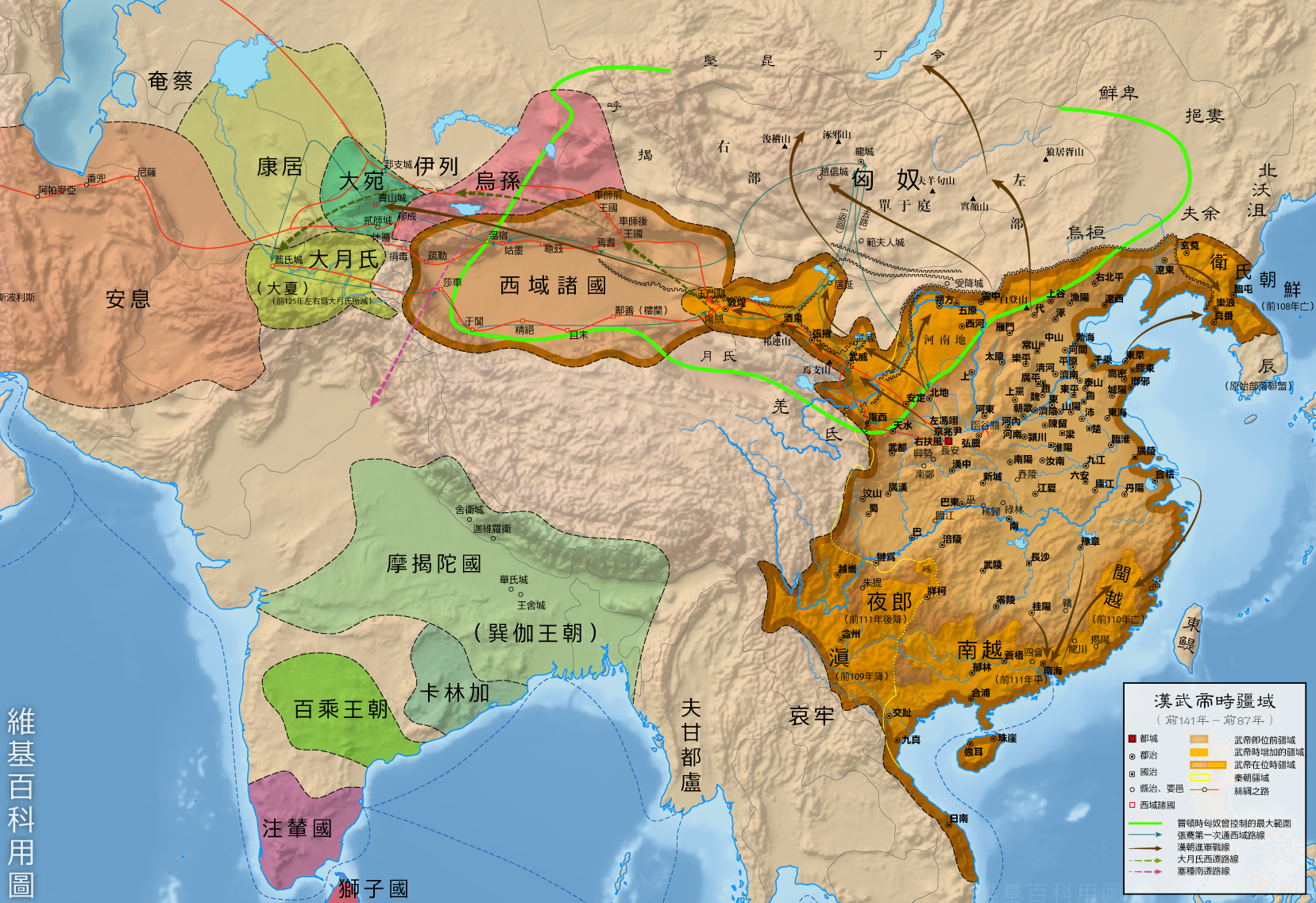
One of the most significant periods in Vietnamese history was nearly 1,000 years of Chinese rule.
Beginning in the 2nd century BC, northern Vietnam was incorporated into successive Chinese dynasties.
During this time:
-
Chinese political systems were introduced
-
Confucian philosophy influenced society
-
Chinese writing systems were adopted
However, Vietnamese identity did not disappear.
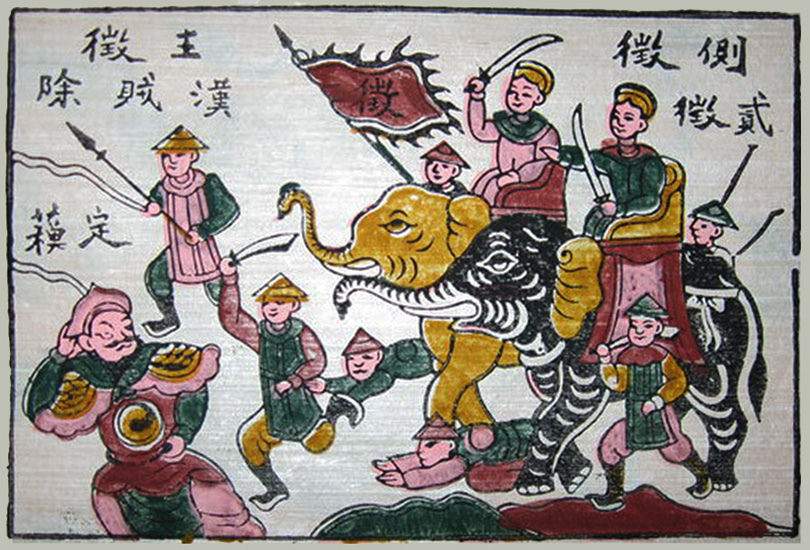
Resistance movements emerged, including the famous rebellion led by the
Trưng Sisters.
These uprisings became powerful symbols of independence.
Despite cultural influence from China, Vietnam maintained a distinct identity.
Independence and Cultural Development


4
In 939 AD, Vietnam regained independence.
Over the following centuries, Vietnamese dynasties developed a strong national culture.
While influenced by Chinese systems, Vietnam adapted them into its own identity.
For example:
-
Confucian exams were used, but in a Vietnamese context
-
the writing system evolved into chữ Nôm, incorporating native elements
-
local traditions remained central to daily life
Vietnam became a nation shaped by both influence and independence.
Proverbs 22:6
“Train up a child in the way he should go; even when he is old he will not depart from it.”
Faith and Cultural Life


4
Vietnamese culture developed through a blend of spiritual traditions, including:
-
Buddhism
-
Confucianism
-
Taoism
-
ancestor worship
Rather than replacing one another, these traditions blended into a unique cultural system.
Family and respect for ancestors became central values.
Psalm 46:1
“God is our refuge and strength, an ever-present help in trouble.”
Spiritual life reinforced cultural continuity.
French Colonial Rule


4
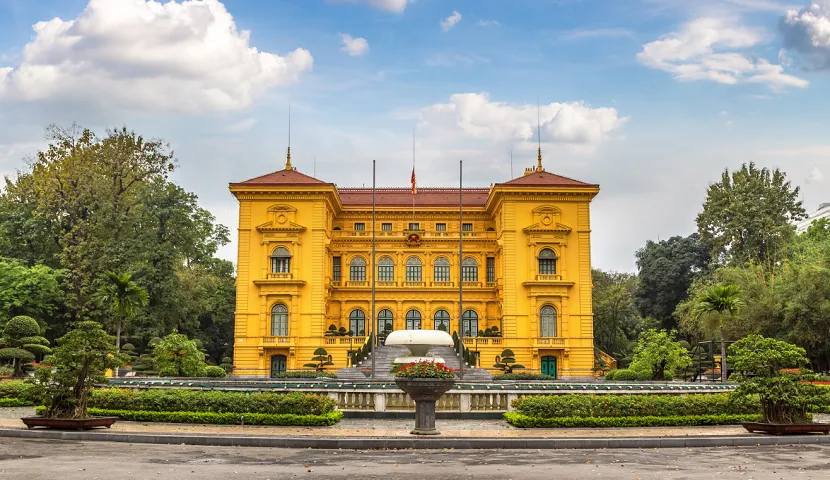
In the 19th century, Vietnam became part of French Indochina under
France.
During this period:
-
French language and culture were introduced
-
economic systems changed
-
education was influenced by colonial policies
Despite these pressures, Vietnamese identity remained strong.
Traditional culture, language, and community structures continued.
War and Division


4
In the 20th century, Vietnam experienced a series of conflicts.
After World War II, Vietnam sought independence from France.
This led to further conflict and eventually division into:
-
North Vietnam
-
South Vietnam
The Vietnam War followed, becoming one of the most significant conflicts of the Cold War era.
In 1975, Vietnam was unified as a single country.
Romans 5:3–4
“Suffering produces perseverance; perseverance, character; and character, hope.”
Culture That Endured


4
Despite centuries of foreign influence and conflict, Vietnamese culture remained intact.
Key elements include:
-
Vietnamese language
-
traditional cuisine (such as pho)
-
festivals like Tết (Lunar New Year)
-
strong family and community values
Vietnam’s identity reflects both resilience and adaptability.
Vietnam Today: Identity and Growth


4
Today, Vietnam is a rapidly developing nation with a strong cultural identity.
Modern life coexists with ancient traditions.
The country continues to honor its past while moving forward.
Ministry Reflection: Lessons from Vietnam
The story of Vietnam offers powerful spiritual insights.
Identity Can Adapt Without Disappearing
Vietnam absorbed outside influences while maintaining its core identity.
Culture Lives in the Family
Family traditions preserved identity through generations.
Resilience Leads to Renewal
Even after conflict, nations can rebuild and grow.
Hebrews 11:1
“Faith is confidence in what we hope for and assurance about what we do not see.”
Prayer Points
Prayer for Vietnam
Pray for continued growth, peace, and stability.
Prayer for Cultural Preservation
Pray that traditions and identity remain strong.
Prayer for Healing
Pray for healing from past conflicts.
Prayer for Future Generations
Pray that values and identity will continue to be passed down.
2 Chronicles 7:14
“If my people, who are called by my name, will humble themselves and pray… then I will hear from heaven.”
The Deeper Lesson
Vietnam’s story shows that a nation can survive through adaptation.
A nation lives through:
-
language
-
tradition
-
family
-
memory
Even when shaped by empires, identity can remain strong.
Coming Next in This Series
Part 15 — Tibet: Culture in Exile
Tibet presents a powerful story of cultural survival under political control and in diaspora.
Its story reveals how identity can endure even when separated from its homeland.
Similar Tags
Search
Subscribe
Donate



Your Statistics
For the care and safety of this prayer space, we gently record the time and location of each visit. This helps us protect sincerity while preserving anonymity.
Your Date and Time
IP Addres:
216.73.216.29
System
- OS Linux n
- PHP 8.3.30
- MySQLi 10.6.25-MariaDB-log
- Time 07:12
- Caching Disabled
- Gzip Disabled
- Users 8
- Articles 315
- Articles View Hits 6289
Website Visitors Map
About Greg Loucks
Greg Loucks is a writer, poet, filmmaker, musician, and graphic designer, as well as a creative visionary and faith-driven storyteller working at the intersection of language, meaning, and human connection. Born and raised in Phoenix, Arizona, he has lived in Cincinnati, Ohio; Hot Springs, Arkansas; Williams, Arizona; and Flagstaff, Arizona—each place shaping his perspective, resilience, and creative voice.

Address:
United States of America and Europe
Phone Numbers:
Arizona: (928) 563-GREG (4734)
Tennessee: (615) 899-GREG (4734)
Toll-Free: 888-457-GREG (4734)

Terms & Conditions
Subscribe
Report
My comments