


🖊️ Post


Cultural Survival, 🇫🇮 Finland: Language, Identity, and Survival Between Empires
A Series on Cultural Survival


4
Throughout history, some nations survived by resisting invasion. Others endured through faith or diaspora.
But some, like Finland, preserved their identity in a quieter but equally powerful way—through language, education, and cultural unity.
For centuries, Finland existed under the rule of larger neighboring powers. Its political authority shifted between kingdoms and empires. Its people spoke a language different from their rulers. Its culture developed in the shadow of stronger states.
Yet Finland did not disappear.
Instead, it gradually formed a strong national identity that would eventually lead to independence.
The story of Finland is one of cultural endurance without disappearance—a nation that survived not by vanishing, but by slowly becoming itself.
Ancient Roots in the North


4
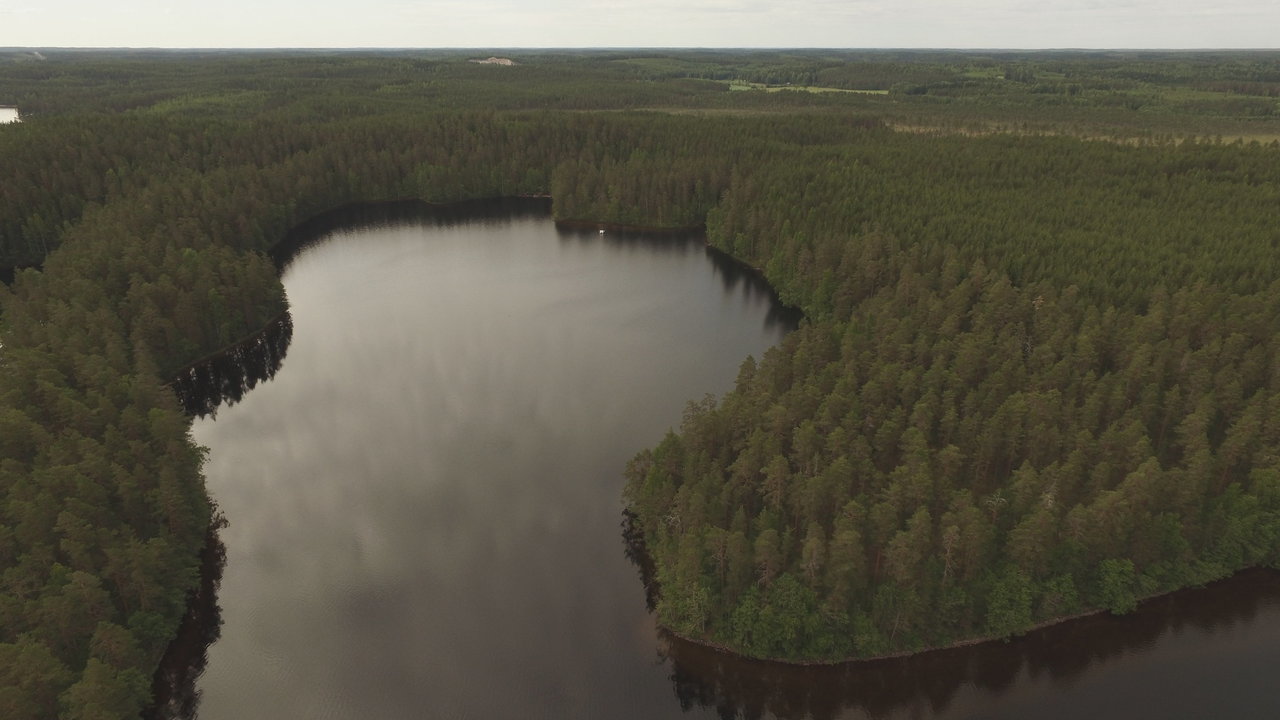
The lands of modern Finland have been inhabited for thousands of years.
Early populations included Finno-Ugric peoples whose languages were distinct from those spoken in most of Europe. These communities developed ways of life closely tied to nature—forests, lakes, and seasonal cycles.
The indigenous Sámi people, who still live in northern regions, preserved ancient traditions including reindeer herding, storytelling, and spiritual practices connected to the land.
For early Finns, identity was shaped not by centralized political power, but by local community, environment, and shared traditions.
Psalm 24:1
“The earth is the Lord’s, and everything in it.”
Connection to the land became a foundational part of Finnish identity.
Under Swedish Rule


4
From approximately the 12th century until 1809, Finland was part of the Kingdom of Sweden.
During this time:
-
Swedish became the language of administration and government
-
Christianity spread throughout Finland
-
Finnish society was integrated into Swedish political structures
While Swedish influence shaped many aspects of life, the Finnish language continued to be spoken by the majority of the population.
However, Finnish was often considered a lower-status language compared to Swedish.
Despite this, it survived—passed down through families and communities.
Deuteronomy 32:7
“Remember the days of old; consider the generations long past.”
Even without political independence, Finnish identity quietly endured.
Between Two Powers: The Russian Era


4
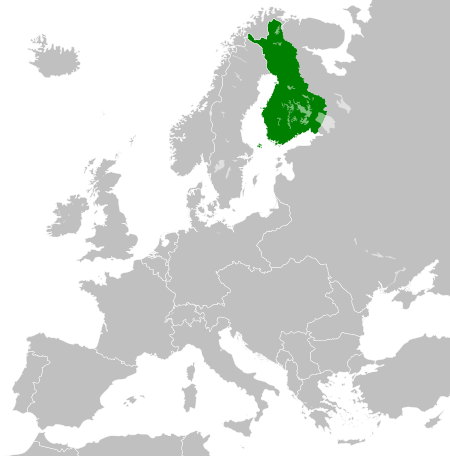
In 1809, Finland was transferred from Sweden to the Russian Empire, becoming the Grand Duchy of Finland.
Under Russian rule, Finland experienced a unique situation.
Rather than being fully absorbed, Finland was granted a degree of autonomy:
-
it retained its own legal system
-
maintained local governance structures
-
preserved aspects of its culture
This autonomy allowed Finnish identity to develop further.
However, later in the 19th century, Russian authorities began policies of Russification, attempting to integrate Finland more tightly into the empire.
This created tension and strengthened Finnish national consciousness.
The Power of Language


4
One of the most important factors in Finland’s cultural survival was its language.
During the 19th century, a movement emerged to elevate the Finnish language and culture.
A key figure in this movement was
Elias Lönnrot.
Lönnrot collected traditional Finnish folk poems and compiled them into the national epic known as the Kalevala.
The Kalevala became a cornerstone of Finnish identity.
It provided a shared cultural narrative and connected modern Finns with ancient traditions.
At the same time, efforts were made to promote Finnish as a language of education, literature, and government.
Proverbs 22:6
“Train up a child in the way he should go; even when he is old he will not depart from it.”
Through education and literature, language became a powerful tool of cultural preservation.
Faith and Society


4
Religion also played a role in shaping Finnish identity.
The majority of Finns became part of the Evangelical Lutheran Church of Finland.
This church influenced:
-
education
-
moral values
-
community life
While Finland’s story is less centered on religious persecution than some other nations, faith still contributed to social unity and continuity.
Psalm 46:1
“God is our refuge and strength, an ever-present help in trouble.”
Independence in 1917


4
The opportunity for independence came during a period of upheaval.
In 1917, following the collapse of the Russian Empire, Finland declared independence.
This marked the beginning of Finland as a sovereign nation.
Ecclesiastes 3:1
“To everything there is a season, and a time for every purpose under heaven.”
After centuries under foreign rule, Finland had become its own country.
Survival in the 20th Century


4
Finland’s independence was soon tested.
During World War II, Finland fought against the Soviet Union in conflicts such as the Winter War.
Despite facing a much larger opponent, Finland maintained its independence.
This period became an important part of national identity, symbolizing resilience and determination.
Finland Today: Identity Through Strength


4
Today, Finland is known for:
-
a strong education system
-
high quality of life
-
cultural traditions such as the sauna
-
respect for nature and environment
The Finnish language remains central to national identity, alongside Swedish as a recognized minority language.
Modern Finland reflects a balance between tradition and innovation.
Ministry Reflection: Lessons from Finland
The story of Finland offers unique spiritual insights.
Quiet Faithfulness Builds Identity
Not all cultural survival comes through dramatic conflict—sometimes it grows steadily over time.
Language Shapes the Nation
The preservation and elevation of language can unify a people.
Education Secures the Future
Teaching future generations ensures cultural continuity.
Hebrews 11:1
“Faith is confidence in what we hope for and assurance about what we do not see.”
Prayer Points
Prayer for Finland
Pray for continued strength, unity, and wisdom.
Prayer for Cultural Identity
Pray that languages and traditions will be preserved.
Prayer for Future Generations
Pray that education will continue to shape strong and wise communities.
Prayer for Peace
Pray for stability and peace in regions facing geopolitical pressure.
2 Chronicles 7:14
“If my people, who are called by my name, will humble themselves and pray… then I will hear from heaven.”
The Deeper Lesson
Finland’s story shows that a nation does not need to disappear to struggle for identity.
Sometimes survival means:
-
preserving language
-
strengthening culture
-
building institutions
-
educating future generations
Through these quiet but powerful means, Finland became a nation that endured and thrived.
Similar Tags
Search
Subscribe
Donate



Your Statistics
For the care and safety of this prayer space, we gently record the time and location of each visit. This helps us protect sincerity while preserving anonymity.
Your Date and Time
IP Addres:
216.73.216.29
System
- OS Linux n
- PHP 8.3.30
- MySQLi 10.6.25-MariaDB-log
- Time 03:53
- Caching Disabled
- Gzip Disabled
- Users 7
- Articles 315
- Articles View Hits 6219
Website Visitors Map
About Greg Loucks
Greg Loucks is a writer, poet, filmmaker, musician, and graphic designer, as well as a creative visionary and faith-driven storyteller working at the intersection of language, meaning, and human connection. Born and raised in Phoenix, Arizona, he has lived in Cincinnati, Ohio; Hot Springs, Arkansas; Williams, Arizona; and Flagstaff, Arizona—each place shaping his perspective, resilience, and creative voice.

Address:
United States of America and Europe
Phone Numbers:
Arizona: (928) 563-GREG (4734)
Tennessee: (615) 899-GREG (4734)
Toll-Free: 888-457-GREG (4734)

Terms & Conditions
Subscribe
Report
My comments