


🖊️ Post


Cultural Survival, Tibet: Culture in Exile
A Series on Cultural Survival


4
Throughout history, some nations have survived conquest. Others endured through faith or language.
But the story of Tibet is one of a culture that continues to survive both under political control and far from its homeland.
Tibet’s identity has been shaped by its geography, its spiritual traditions, and its people. Even as political authority changed and many Tibetans were displaced, their culture did not disappear.
Instead, it adapted—preserved in monasteries, communities, and diaspora networks around the world.
The story of Tibet is one of spiritual resilience and cultural survival in exile.
The Roof of the World

4
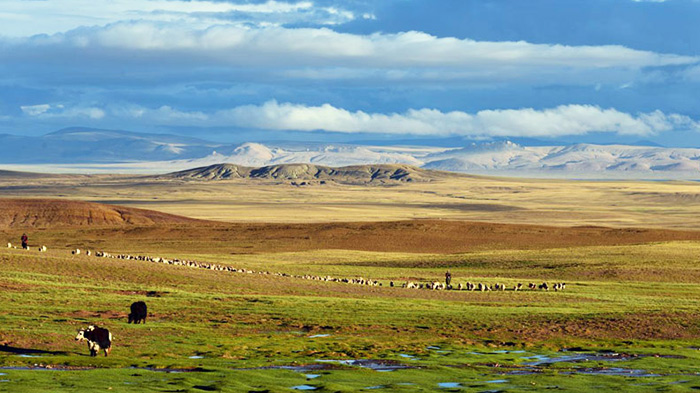
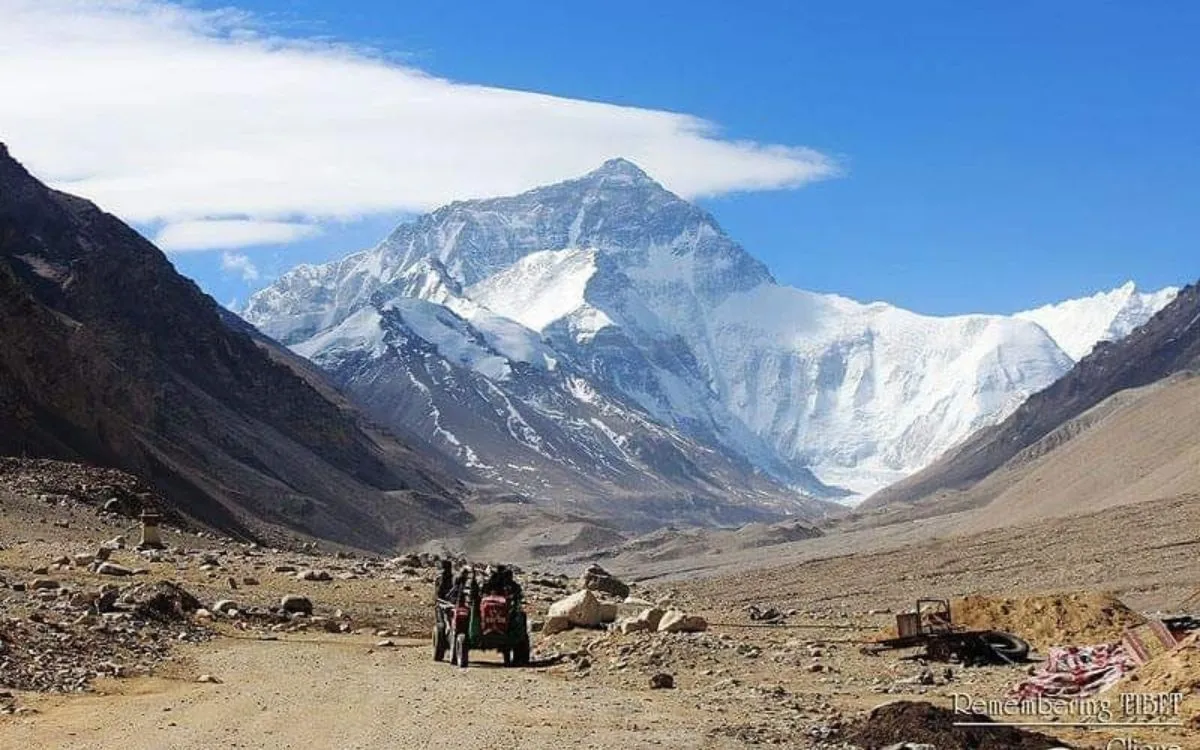
Tibet is often called the “Roof of the World.”
Located on a vast plateau surrounded by the Himalayas, its geography has played a major role in shaping its identity.
For centuries, this isolation allowed Tibetan culture to develop with a strong sense of independence.
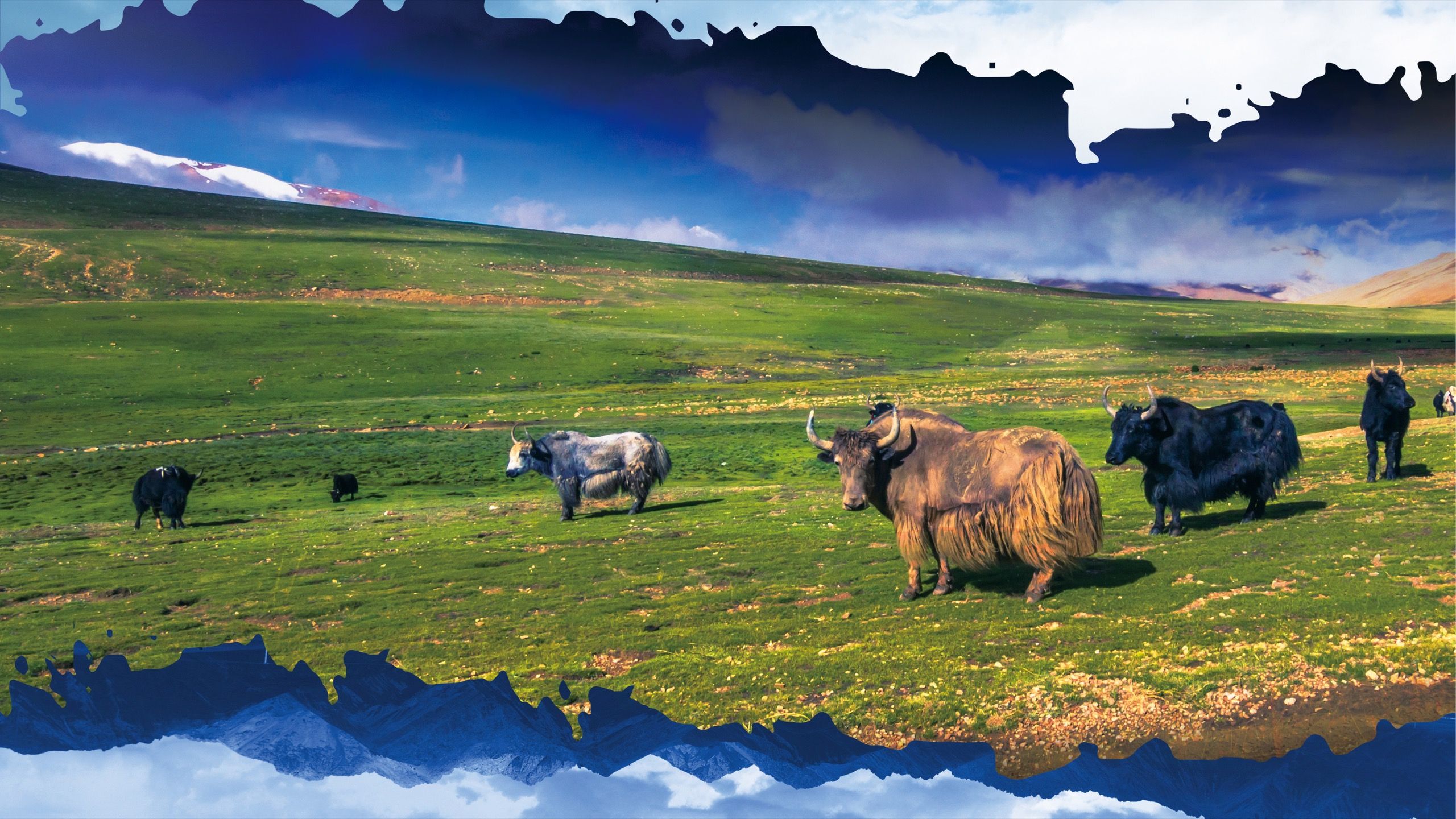
Life on the plateau required resilience, community, and adaptation to harsh conditions.
Psalm 121:1
“I lift up my eyes to the mountains—where does my help come from?”
The mountains became both a physical and symbolic foundation of Tibetan life.
Early Kingdom and Identity


4
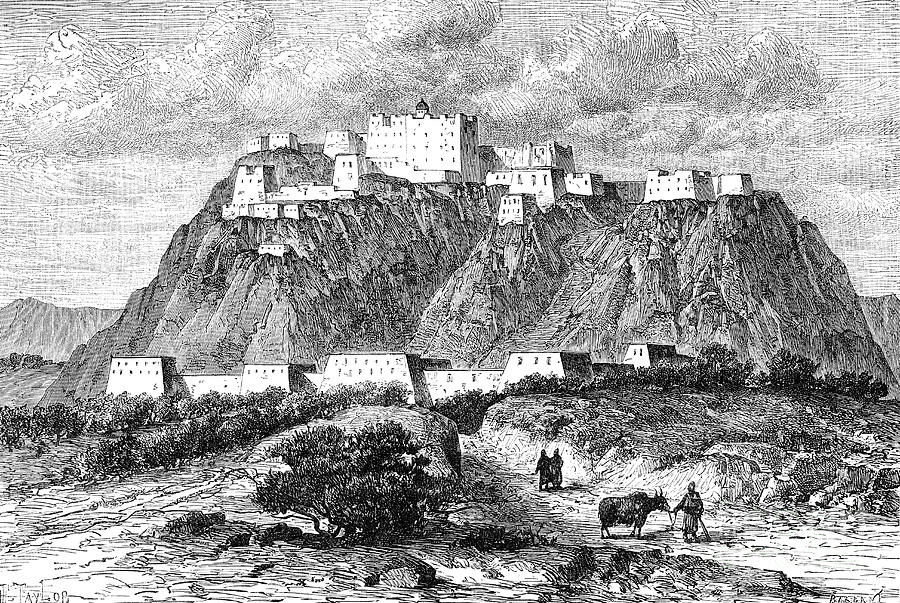
Tibet emerged as a unified state in the 7th century under the rule of
Songtsen Gampo.
During this time:
-
a written Tibetan script was developed
-
Buddhism began to spread
-
political structures were established
This period laid the foundation for Tibetan culture and identity.
Deuteronomy 32:7
“Remember the days of old; consider the generations long past.”
Buddhism and Cultural Identity


4
One of the most defining aspects of Tibetan identity is Tibetan Buddhism.
Over centuries, Buddhism became deeply integrated into all aspects of life.
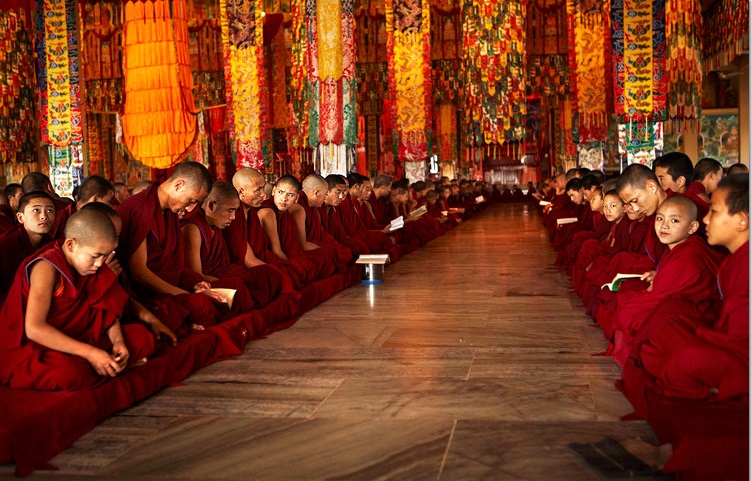
Monasteries served as:
-
religious centers
-
educational institutions
-
cultural hubs
The spiritual leader known as the Dalai Lama became a central figure in Tibetan society.
Faith shaped not only religious life but also art, music, philosophy, and daily practices.
Psalm 46:1
“God is our refuge and strength, an ever-present help in trouble.”
A Distinct Culture


4
Tibetan culture developed unique characteristics, including:
-
its own language and script
-
traditional clothing such as the chuba
-
festivals and ceremonies
-
distinctive art and architecture
These elements created a strong sense of identity among the Tibetan people.
Political Changes and Control


4
In the mid-20th century, Tibet experienced significant political change.
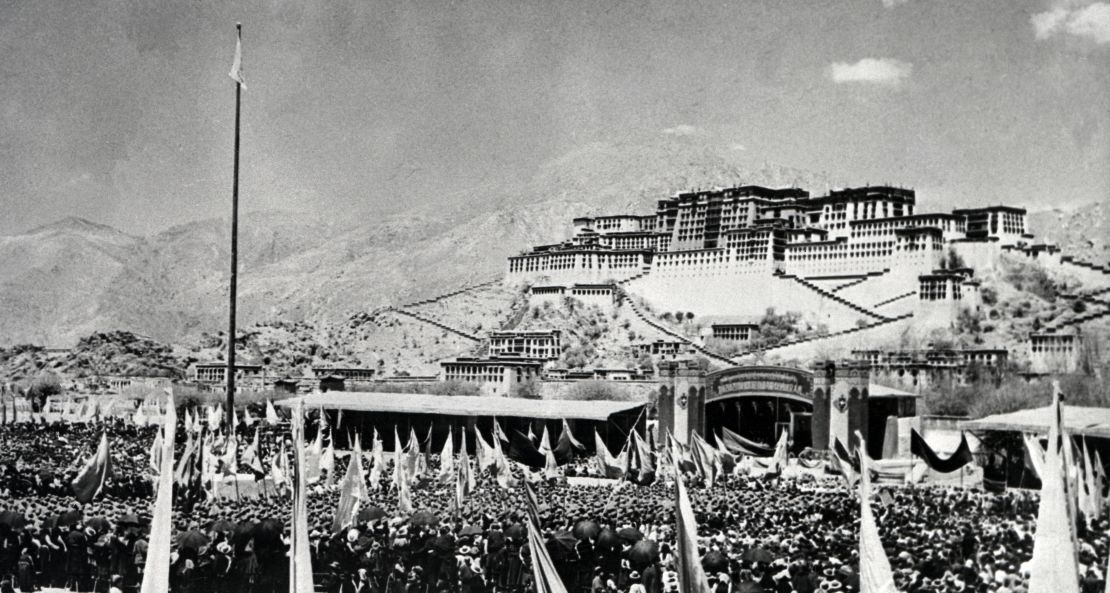
In 1950, forces from the People's Republic of China entered Tibet.
In 1959, tensions led to an uprising in Lhasa, after which the
Dalai Lama fled into exile.
Since then, Tibet has remained under Chinese administration.
During this period:
-
religious institutions faced restrictions
-
cultural practices were affected
-
many Tibetans left their homeland
Yet Tibetan identity did not disappear.
Romans 5:3–4
“Suffering produces perseverance; perseverance, character; and character, hope.”
Culture in Exile


4
One of the most remarkable aspects of Tibetan survival is the preservation of culture in exile.
Large Tibetan communities formed in places such as:
-
Dharamshala
-
Nepal
-
other countries around the world
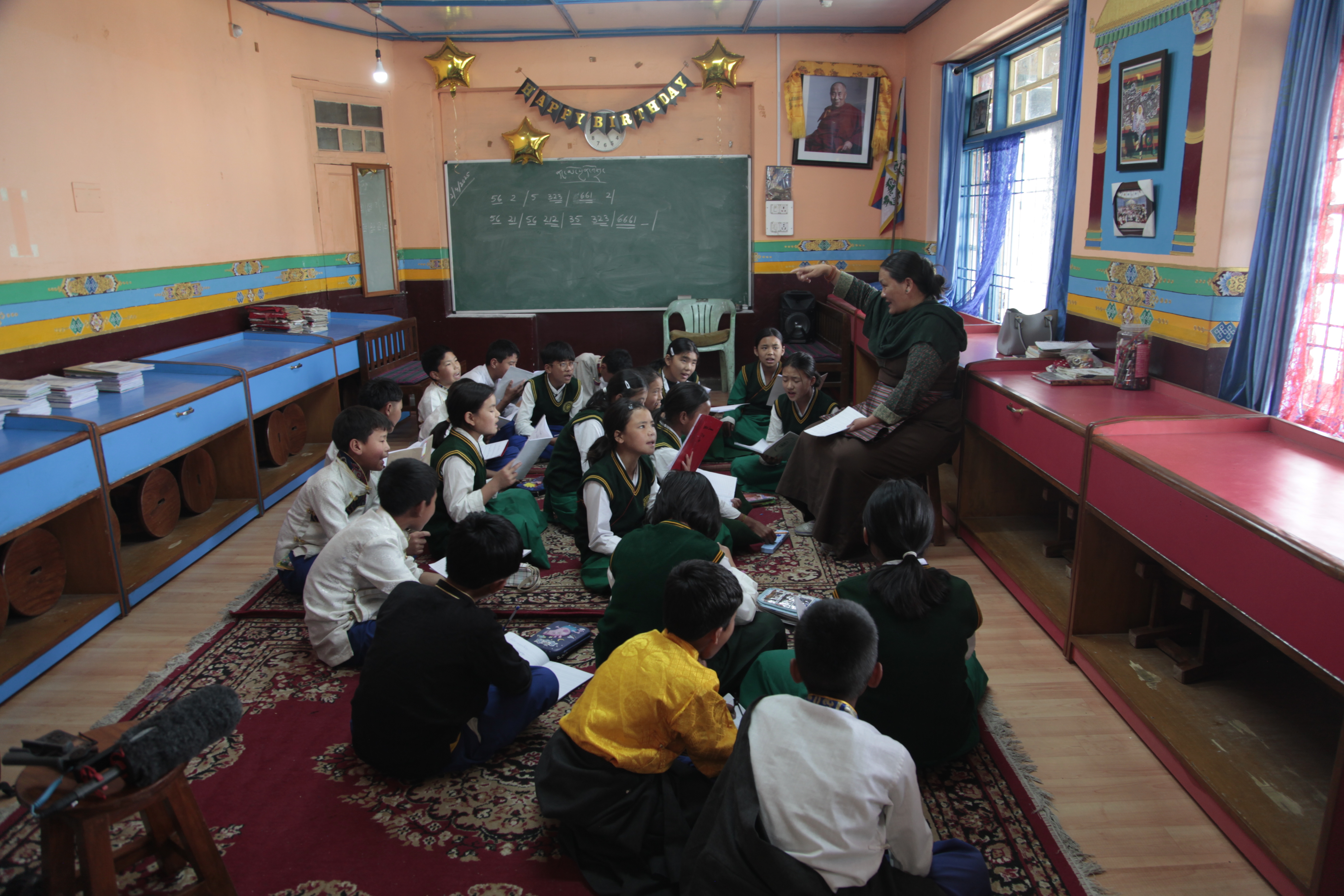
In these communities:
-
Tibetan language is taught
-
religious traditions are practiced
-
cultural identity is preserved
Even outside their homeland, Tibetans have maintained a strong connection to their heritage.
Tibet Today: Identity Beyond Borders


4
Today, Tibetan identity exists both within Tibet and across the global diaspora.
Despite political realities, Tibetan culture continues to be expressed through:
-
language
-
religion
-
art
-
community
The preservation of identity remains a central priority.
Ministry Reflection: Lessons from Tibet
The story of Tibet offers powerful spiritual insights.
Identity Can Survive in Exile
A nation does not need a homeland to preserve its culture.
Faith Sustains Communities
Spiritual life can anchor identity during displacement.
Culture Lives Through People
Wherever people go, they carry their identity with them.
Hebrews 11:1
“Faith is confidence in what we hope for and assurance about what we do not see.”
Prayer Points
Prayer for Tibet
Pray for peace, cultural preservation, and stability.
Prayer for the Tibetan People
Pray for strength and unity among Tibetans worldwide.
Prayer for Faith Communities
Pray that spiritual traditions remain strong.
Prayer for Cultural Survival
Pray for cultures at risk of being lost.
2 Chronicles 7:14
“If my people, who are called by my name, will humble themselves and pray… then I will hear from heaven.”
The Deeper Lesson
Tibet’s story shows that a nation can survive beyond its borders.
A nation lives through:
-
faith
-
culture
-
language
-
community
Even in exile, identity can endure.
Coming Next in This Series
Part 16 — Mongolia: From Empire to Survival
Mongolia offers a fascinating story of a people who once ruled one of the largest empires in history and later preserved their identity through dramatic change.
Its story reveals how a nation can transform yet remain connected to its roots.
Similar Tags
Search
Subscribe
Donate



Your Statistics
For the care and safety of this prayer space, we gently record the time and location of each visit. This helps us protect sincerity while preserving anonymity.
Your Date and Time
IP Addres:
216.73.216.29
System
- OS Linux n
- PHP 8.3.30
- MySQLi 10.6.25-MariaDB-log
- Time 03:54
- Caching Disabled
- Gzip Disabled
- Users 7
- Articles 315
- Articles View Hits 6221
Website Visitors Map
About Greg Loucks
Greg Loucks is a writer, poet, filmmaker, musician, and graphic designer, as well as a creative visionary and faith-driven storyteller working at the intersection of language, meaning, and human connection. Born and raised in Phoenix, Arizona, he has lived in Cincinnati, Ohio; Hot Springs, Arkansas; Williams, Arizona; and Flagstaff, Arizona—each place shaping his perspective, resilience, and creative voice.

Address:
United States of America and Europe
Phone Numbers:
Arizona: (928) 563-GREG (4734)
Tennessee: (615) 899-GREG (4734)
Toll-Free: 888-457-GREG (4734)

Terms & Conditions
Subscribe
Report
My comments