


🖊️ Post


Cultural Survival, 🇩🇪 Germany: Identity Through Fragmentation and Reunification
A Series on Cultural Survival


4
Throughout history, some nations survived conquest. Others endured exile or collapse.
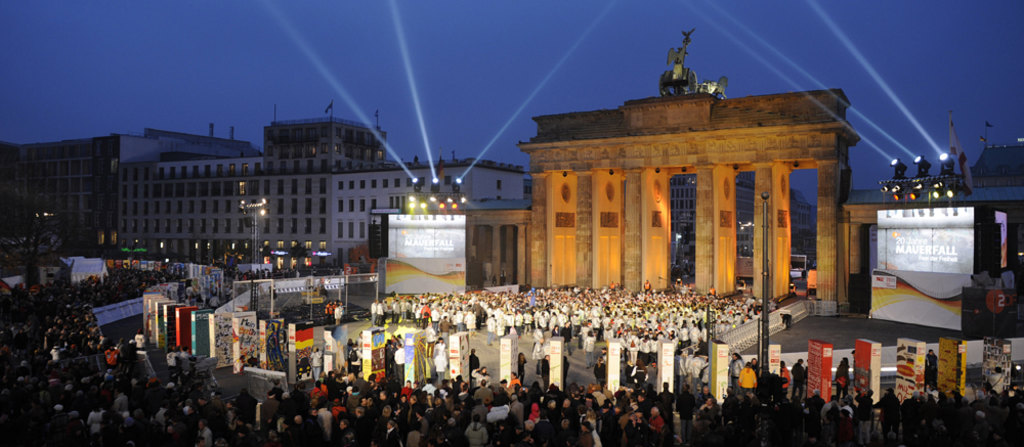
But the story of Germany is one of identity forged through fragmentation, crisis, division, and ultimately reunification.
Germany was not always a single nation.
For centuries, it existed as a collection of kingdoms, duchies, and city-states. Later, it unified into a powerful empire, only to be divided again in the 20th century.
Yet through all of this, German identity endured.
The story of Germany is one of a people repeatedly reshaped by history—yet never erased by it.
A Land of Many States


4
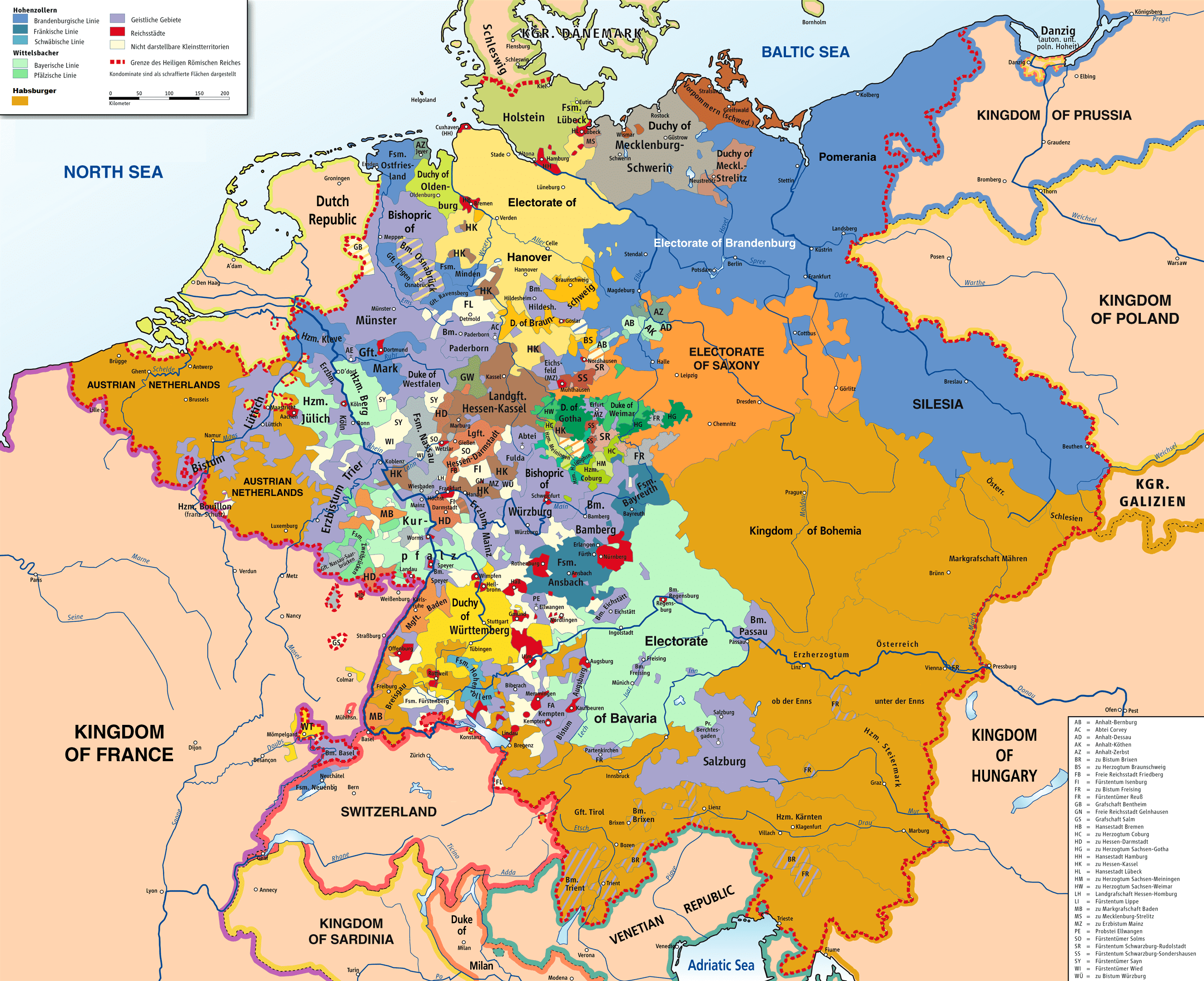
For much of its history, Germany was not a unified country.
Instead, it was part of the Holy Roman Empire, a complex collection of hundreds of territories.
These included:
-
kingdoms
-
duchies
-
free cities
Despite political fragmentation, a shared cultural identity developed through:
-
religion
-
traditions
Deuteronomy 32:7
“Remember the days of old; consider the generations long past.”
Language and Cultural Unity


4
One of the strongest unifying forces in German identity was language.
Figures like
Martin Luther
helped standardize the German language through the translation of the Bible.
The invention of the printing press by
Johannes Gutenberg
also played a crucial role in spreading ideas and literacy.
Language helped create a shared identity even without a unified state.
Proverbs 22:6
“Train up a child in the way he should go; even when he is old he will not depart from it.”
Unification in the 19th Century


4
In 1871, Germany was unified under the leadership of
Otto von Bismarck.
This created the German Empire, bringing together many independent states into a single nation.
Germany quickly became a major European power.
For the first time, political unity matched cultural identity.
World Wars and Crisis


4
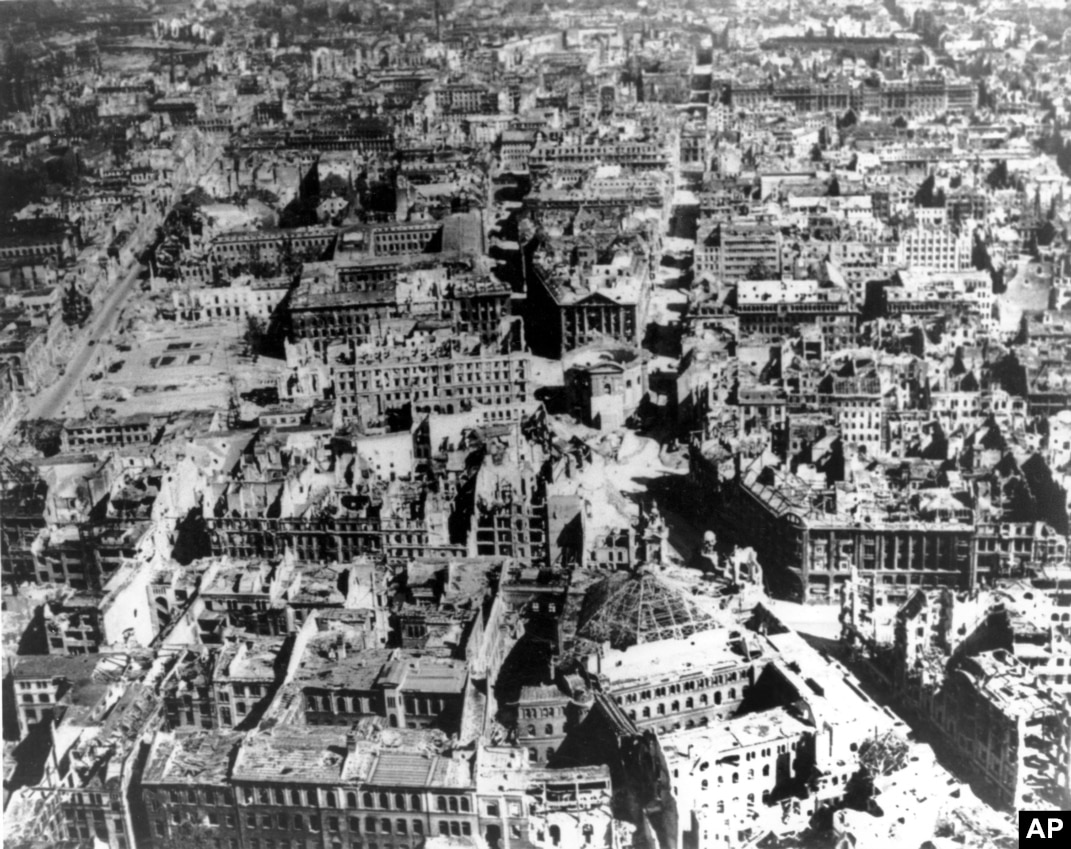
The 20th century brought profound challenges.
Germany played a central role in both:
-
World War I
-
World War II
These conflicts led to:
-
devastation across Europe
-
destruction within Germany
-
moral and political reckoning
After World War II, Germany faced one of the most dramatic transformations in modern history.
Psalm 34:18
“The Lord is close to the brokenhearted and saves those who are crushed in spirit.”
Division: East and West


4
After 1945, Germany was divided into two states:
-
West Germany (Federal Republic of Germany)
-
East Germany (German Democratic Republic)
The Berlin Wall became the symbol of this division.
Families were separated. Ideologies clashed.
Yet cultural identity remained shared across both sides.
Romans 5:3–4
“Suffering produces perseverance; perseverance, character; and character, hope.”
Reunification


4
In 1989, the Berlin Wall fell.
In 1990, Germany was officially reunified.
This moment marked the restoration of national unity after decades of division.
Ecclesiastes 3:1
“To everything there is a season, and a time for every purpose under heaven.”
Germany Today: Identity and Responsibility



4
Today, Germany is a leading nation in Europe.
Its identity is shaped by:
-
historical reflection
-
cultural heritage
-
democratic values
-
economic strength
Germany also carries a strong sense of responsibility due to its past.
Ministry Reflection: Lessons from Germany
The story of Germany offers powerful spiritual insights.
Identity Can Survive Division
Even when split politically, a people can remain united culturally.
Renewal Is Possible After Failure
Nations can recover and rebuild after deep crisis.
Memory Guides the Future
Remembering history helps prevent repeating it.
Hebrews 11:1
“Faith is confidence in what we hope for and assurance about what we do not see.”
Prayer Points
Prayer for Germany
Pray for continued unity, wisdom, and leadership.
Prayer for Nations Divided
Pray for reconciliation and restoration.
Prayer for Responsibility
Pray for wise decisions shaped by history.
Prayer for Peace
Pray for stability across Europe.
2 Chronicles 7:14
“If my people, who are called by my name, will humble themselves and pray… then I will hear from heaven.”
The Deeper Lesson
Germany’s story shows that a nation can endure fragmentation and be restored.
A nation lives through:
-
language
-
culture
-
memory
-
people
Even after division, identity can return.
Similar Tags
Search
Subscribe
Donate



Your Statistics
For the care and safety of this prayer space, we gently record the time and location of each visit. This helps us protect sincerity while preserving anonymity.
Your Date and Time
IP Addres:
216.73.216.29
System
- OS Linux n
- PHP 8.3.30
- MySQLi 10.6.25-MariaDB-log
- Time 05:28
- Caching Disabled
- Gzip Disabled
- Users 7
- Articles 315
- Articles View Hits 6261
Website Visitors Map
About Greg Loucks
Greg Loucks is a writer, poet, filmmaker, musician, and graphic designer, as well as a creative visionary and faith-driven storyteller working at the intersection of language, meaning, and human connection. Born and raised in Phoenix, Arizona, he has lived in Cincinnati, Ohio; Hot Springs, Arkansas; Williams, Arizona; and Flagstaff, Arizona—each place shaping his perspective, resilience, and creative voice.

Address:
United States of America and Europe
Phone Numbers:
Arizona: (928) 563-GREG (4734)
Tennessee: (615) 899-GREG (4734)
Toll-Free: 888-457-GREG (4734)

Terms & Conditions
Subscribe
Report
My comments