


🖊️ Post


Cultural Survival, 🇰🇭 Cambodia: Culture After Genocide
A Series on Cultural Survival


4
Throughout history, some nations survived conquest. Others endured exile.
But the story of Cambodia is one of something even more difficult:
rebuilding identity after near cultural destruction.
Cambodia experienced one of the most devastating periods in modern history during the 20th century. Its institutions collapsed, its cultural leaders were targeted, and its society was reshaped by extreme political ideology.
Yet Cambodia did not lose itself completely.
Its traditions survived. Its faith endured. Its culture—though deeply wounded—was rebuilt.
The story of Cambodia is one of loss, survival, and restoration.
Ancient Glory: The Khmer Civilization


4
Cambodia’s cultural roots stretch back over a thousand years to the Khmer Empire, one of the most powerful civilizations in Southeast Asia.
At its height, this empire built monumental cities and temples, including the world-famous Angkor Wat.
The Khmer civilization developed:
-
advanced architecture
-
complex irrigation systems
-
rich artistic traditions
-
strong religious culture
Angkor became a symbol of Cambodian identity and pride.
Deuteronomy 32:7
“Remember the days of old; consider the generations long past.”
Faith and Cultural Identity


4
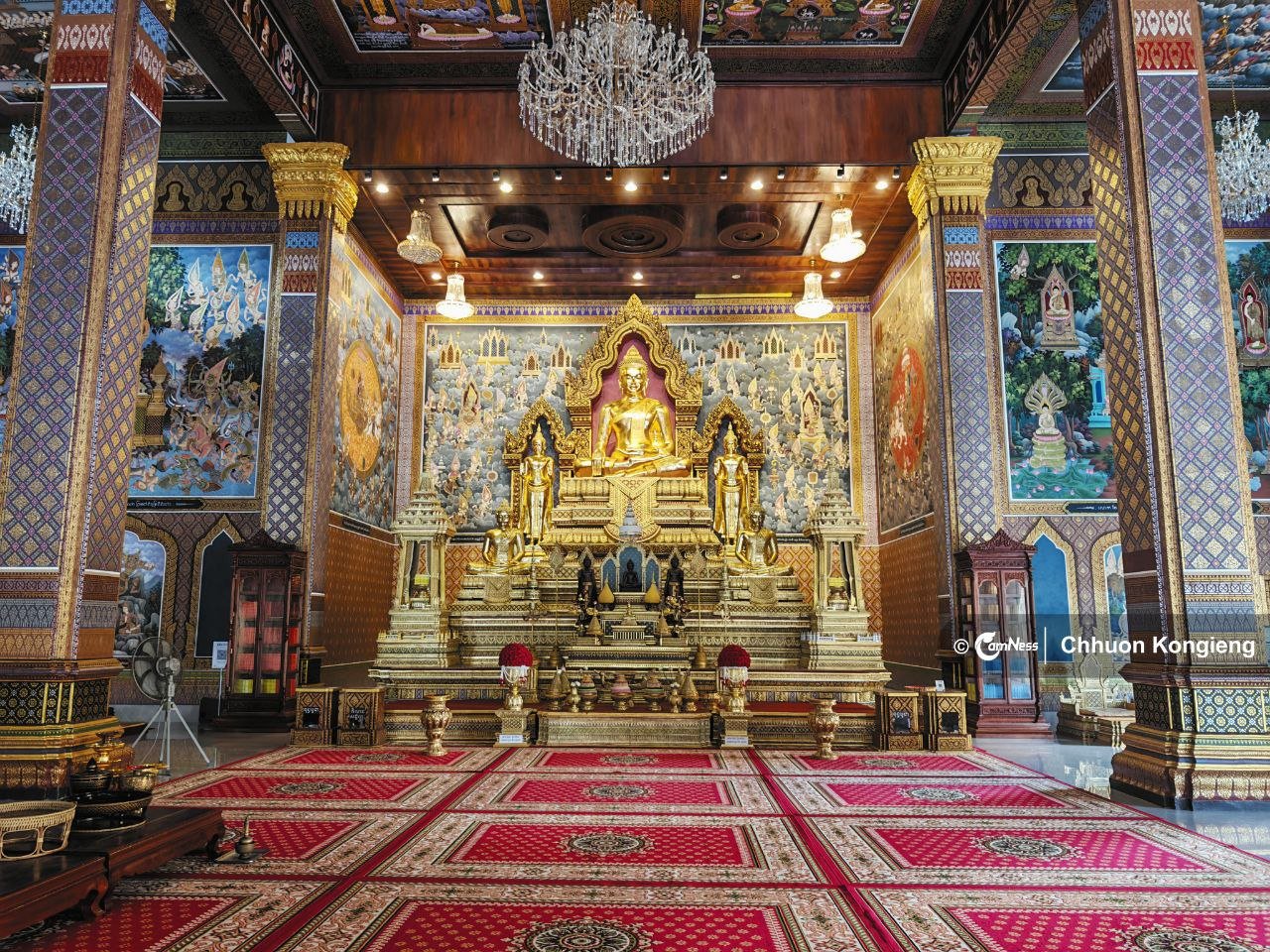
Religion has long been central to Cambodian identity.
Today, the majority of Cambodians follow Theravada Buddhism.
Buddhism shapes:
-
daily life
-
festivals
-
moral values
-
community structure
Monasteries serve as centers of learning and culture.
Psalm 46:1
“God is our refuge and strength, an ever-present help in trouble.”
Faith has helped sustain the Cambodian people through both prosperity and hardship.
Colonial Influence


4
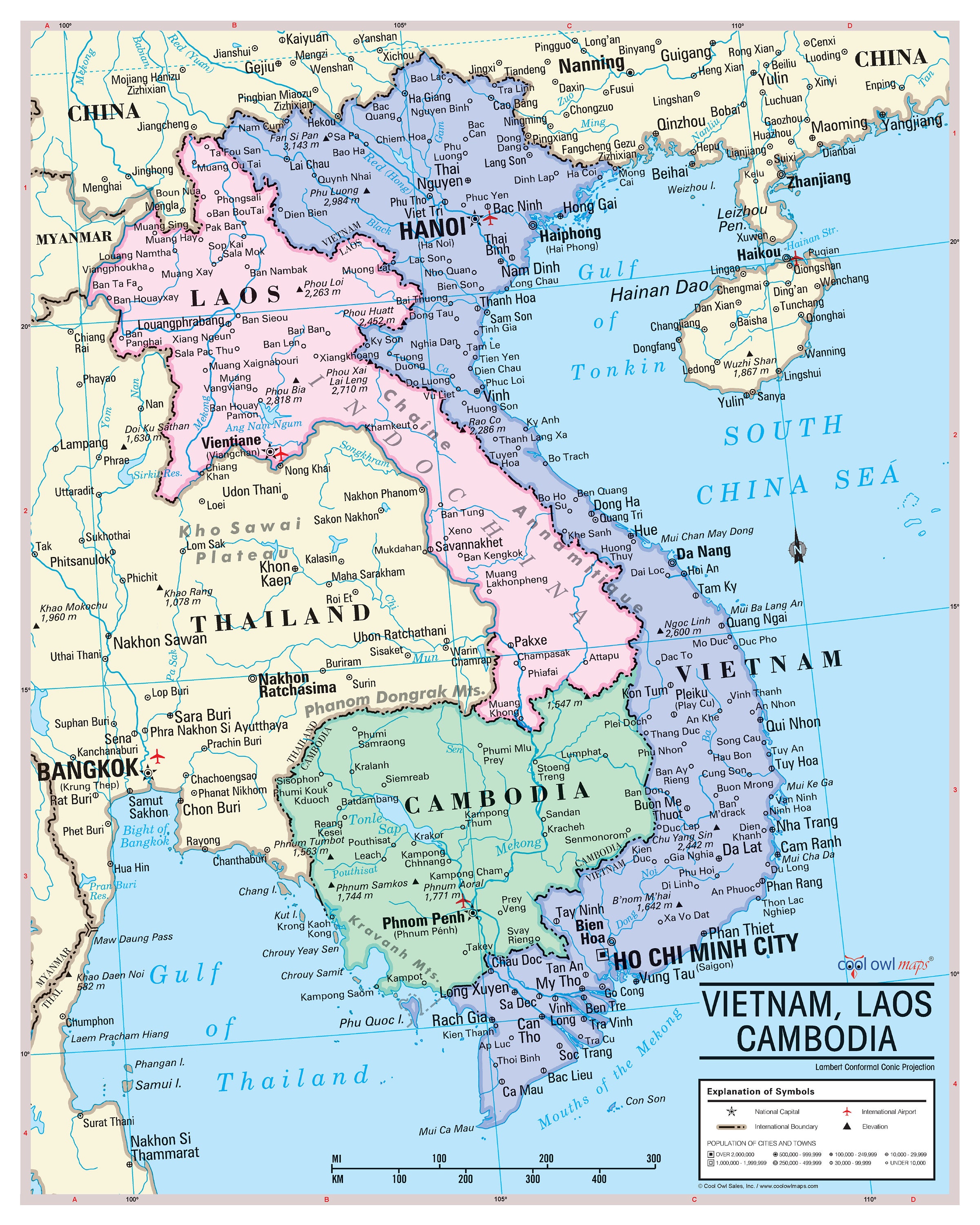
In the 19th century, Cambodia became part of French Indochina under
France.
During this time:
-
French administrative systems were introduced
-
education and infrastructure were influenced by colonial rule
-
traditional society adapted to external pressures
Despite this, Cambodian culture and traditions remained strong.
The Khmer Rouge Era


4
One of the darkest chapters in Cambodia’s history occurred between 1975 and 1979.
During the rule of the Khmer Rouge, led by
Pol Pot,
Cambodia underwent radical and devastating changes.
The regime sought to transform society completely.
During this period:
-
millions of people died
-
intellectuals, teachers, and religious leaders were targeted
-
cultural institutions were destroyed
-
cities were emptied
This period is often referred to as the Cambodian genocide.
Psalm 34:18
“The Lord is close to the brokenhearted and saves those who are crushed in spirit.”
The impact of this era deeply affected Cambodian society and culture.
Survival and Recovery


4
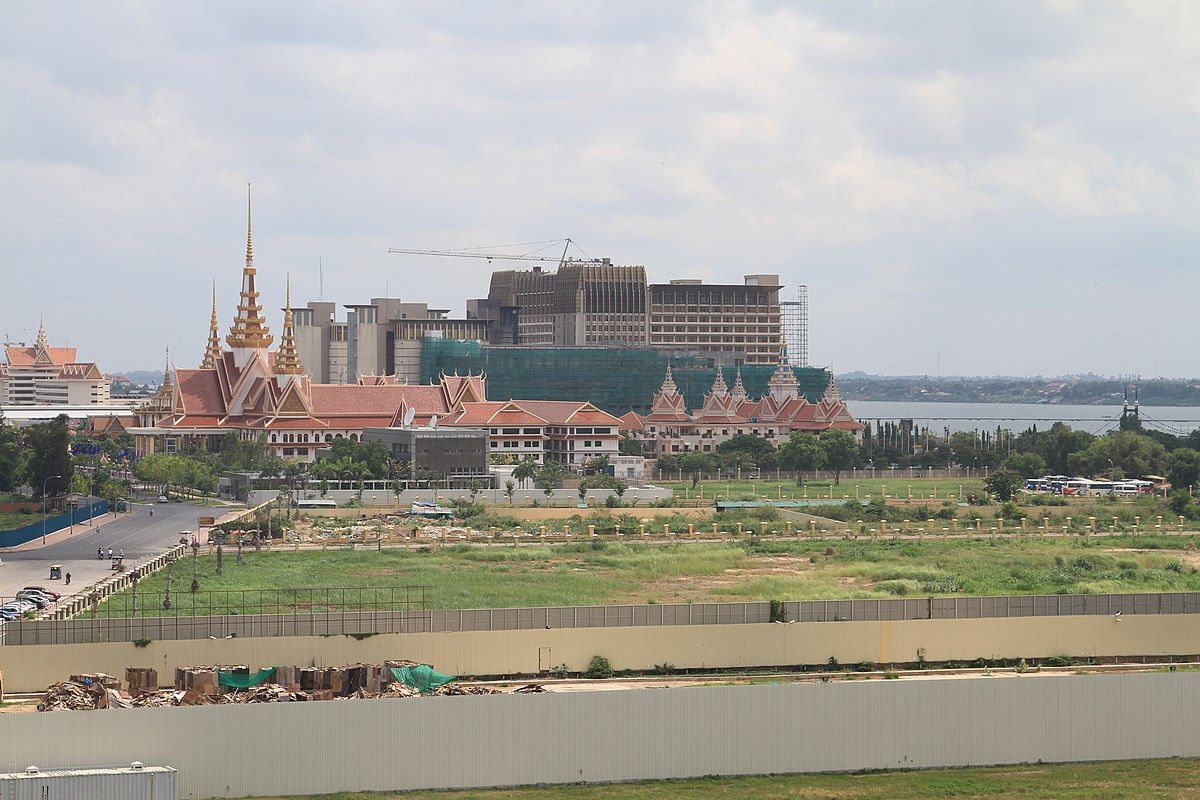
After the fall of the Khmer Rouge, Cambodia began a long process of recovery.
Communities worked to rebuild:
-
education systems
-
religious institutions
-
cultural traditions
Many survivors carried memories of loss, but also a determination to rebuild their society.
Romans 5:3–4
“Suffering produces perseverance; perseverance, character; and character, hope.”
Culture Reborn


4
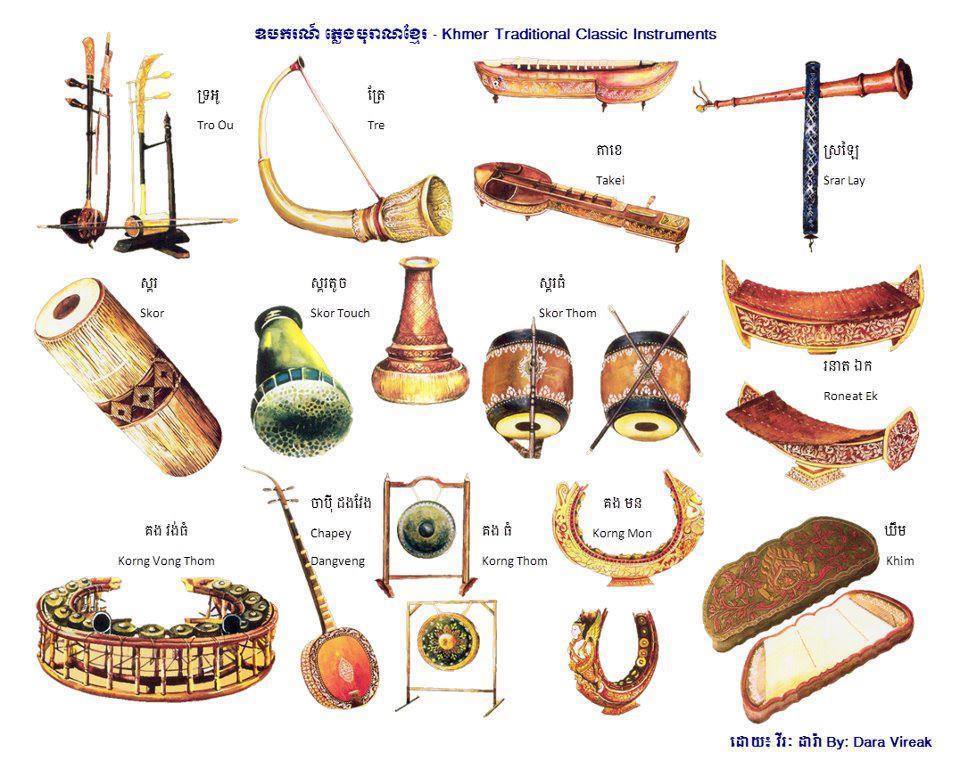
In the years since, Cambodia has experienced a cultural revival.
Traditional arts such as:
-
Apsara dance
-
classical music
-
religious ceremonies
have been restored and preserved.
Younger generations are learning and carrying forward these traditions.
Cambodia Today: Identity Restored


4
Today, Cambodia continues to rebuild and grow.
Its identity is expressed through:
-
cultural heritage
-
religious traditions
-
national history
-
resilience of its people
Despite past tragedy, Cambodia remains a nation with a strong and enduring identity.
Ministry Reflection: Lessons from Cambodia
The story of Cambodia offers powerful spiritual insights.
Culture Can Rise After Destruction
Even after devastating loss, identity can be rebuilt.
Faith Sustains Hope
Spiritual life helped communities recover and rebuild.
Memory Matters
Remembering the past helps guide the future.
Hebrews 11:1
“Faith is confidence in what we hope for and assurance about what we do not see.”
Prayer Points
Prayer for Cambodia
Pray for continued healing, growth, and stability.
Prayer for Survivors
Pray for those still affected by past trauma.
Prayer for Cultural Restoration
Pray that traditions and heritage continue to thrive.
Prayer for Future Generations
Pray that young people will carry forward identity and values.
2 Chronicles 7:14
“If my people, who are called by my name, will humble themselves and pray… then I will hear from heaven.”
The Deeper Lesson
Cambodia’s story shows that even after immense suffering, a nation can rebuild.
A nation lives through:
-
culture
-
faith
-
memory
-
people
Even after devastation, identity can rise again.
Series Conclusion (Optional Next Step)
If you want, the next step could be:
Final Part — The Pattern of Survival Across Nations
A powerful closing article tying together everything we’ve seen:
-
Poland’s resurrection
-
Ukraine’s endurance
-
Israel’s return
-
Estonia’s singing revolution
-
Cambodia’s rebuilding
…and revealing the deeper pattern:
👉 Nations survive when identity is stronger than circumstance.
Similar Tags
Search
Subscribe
Donate



Your Statistics
For the care and safety of this prayer space, we gently record the time and location of each visit. This helps us protect sincerity while preserving anonymity.
Your Date and Time
IP Addres:
216.73.216.29
System
- OS Linux n
- PHP 8.3.30
- MySQLi 10.6.25-MariaDB-log
- Time 07:56
- Caching Disabled
- Gzip Disabled
- Users 8
- Articles 315
- Articles View Hits 6296
Website Visitors Map
About Greg Loucks
Greg Loucks is a writer, poet, filmmaker, musician, and graphic designer, as well as a creative visionary and faith-driven storyteller working at the intersection of language, meaning, and human connection. Born and raised in Phoenix, Arizona, he has lived in Cincinnati, Ohio; Hot Springs, Arkansas; Williams, Arizona; and Flagstaff, Arizona—each place shaping his perspective, resilience, and creative voice.

Address:
United States of America and Europe
Phone Numbers:
Arizona: (928) 563-GREG (4734)
Tennessee: (615) 899-GREG (4734)
Toll-Free: 888-457-GREG (4734)

Terms & Conditions
Subscribe
Report
My comments