


🖊️ Post


Cultural Survival, 🇱🇻 Latvia: Identity Through Occupation and Renewal
A Series on Cultural Survival


4
Throughout history, some nations have survived by resisting invasion, others through faith or language.
But the story of Latvia is one of endurance through multiple occupations, cultural pressure, and eventual renewal.
For centuries, Latvia existed under foreign rule. Its land was governed by outside powers, its culture influenced by dominant elites, and its people often lacked political control over their own future.
Yet Latvia endured.
Its language survived. Its traditions remained. Its people preserved their identity through generations of change.
And in the end, like its Baltic neighbors, Latvia reclaimed its independence—proving that even after repeated occupation, a nation can be restored.
Ancient Roots of the Baltic People

4
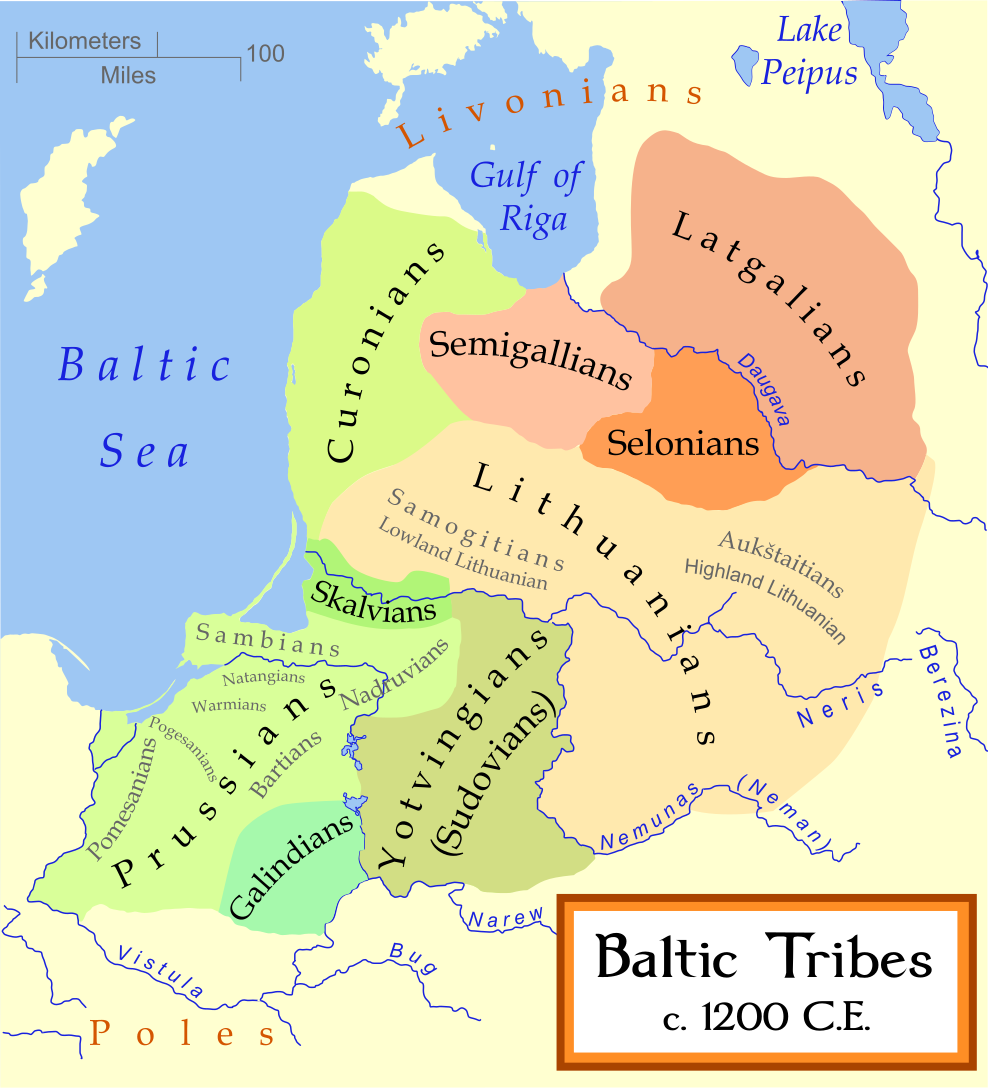
The cultural roots of Latvia trace back to ancient Baltic tribes who inhabited the region along the eastern shores of the Baltic Sea.
These early communities developed a way of life closely connected to nature, with traditions tied to forests, rivers, and seasonal cycles.
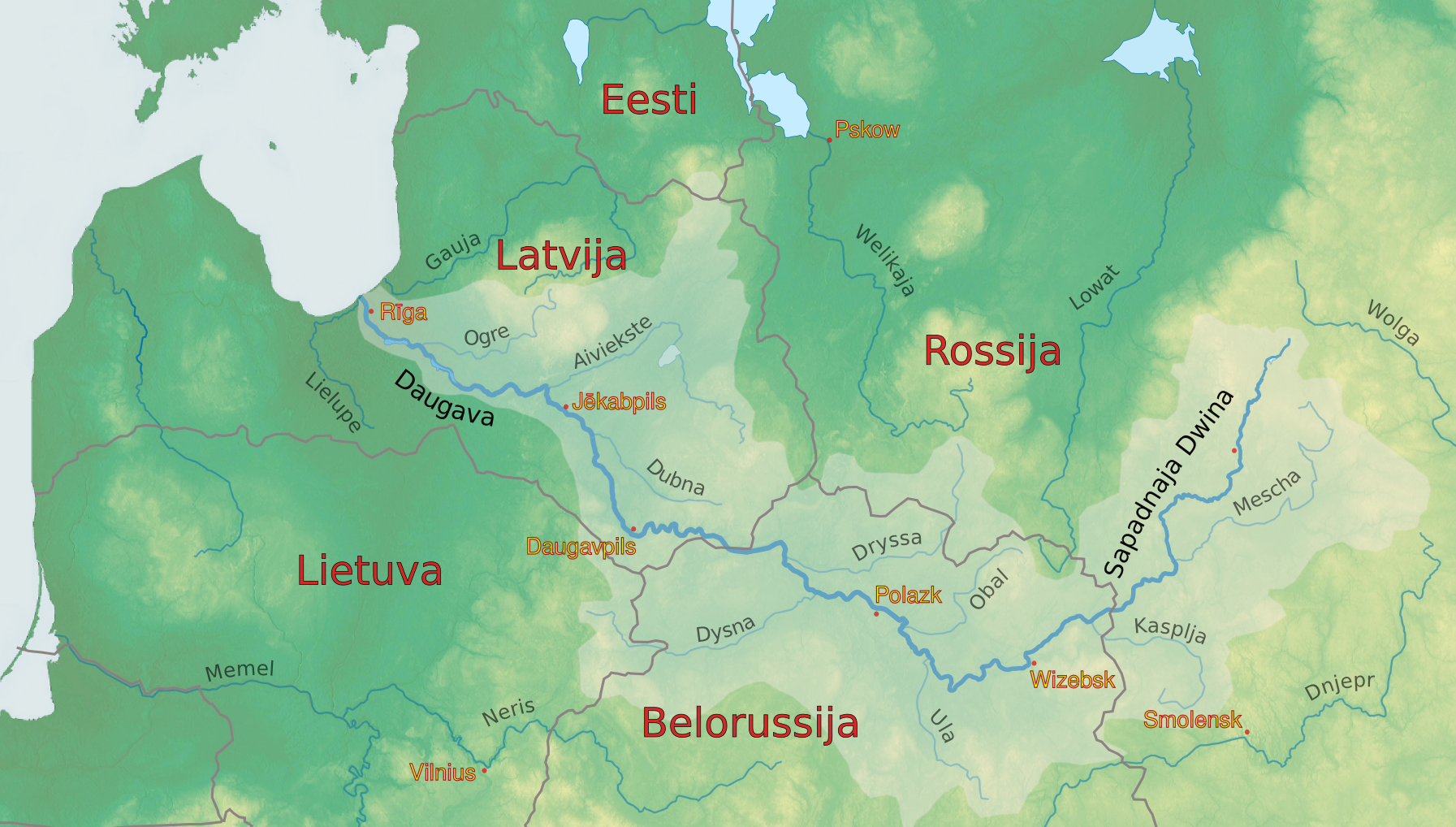
The Daugava River became a major trade route, linking the region to wider European networks.
Early Latvian culture included:
-
rich folklore and mythology
-
traditional songs known as dainas
-
seasonal festivals tied to nature
Unlike centralized kingdoms elsewhere in Europe, identity in early Latvia developed through local communities and shared traditions.
Psalm 24:1
“The earth is the Lord’s, and everything in it.”
Connection to land and tradition became a foundational part of Latvian identity.
Foreign Rule and German Influence


4
Beginning in the medieval period, Latvian lands came under the control of foreign powers.
The region was influenced by:
-
Livonian Order
-
Teutonic Order
Later, it became part of broader political structures dominated by foreign elites, particularly Baltic German nobility.
The city of Riga grew into an important center of trade as part of the Hanseatic League.
Despite foreign rule, Latvian peasants preserved their language and traditions.
Deuteronomy 32:7
“Remember the days of old; consider the generations long past.”
Cultural identity remained rooted among the people rather than the ruling class.
Between Empires


4
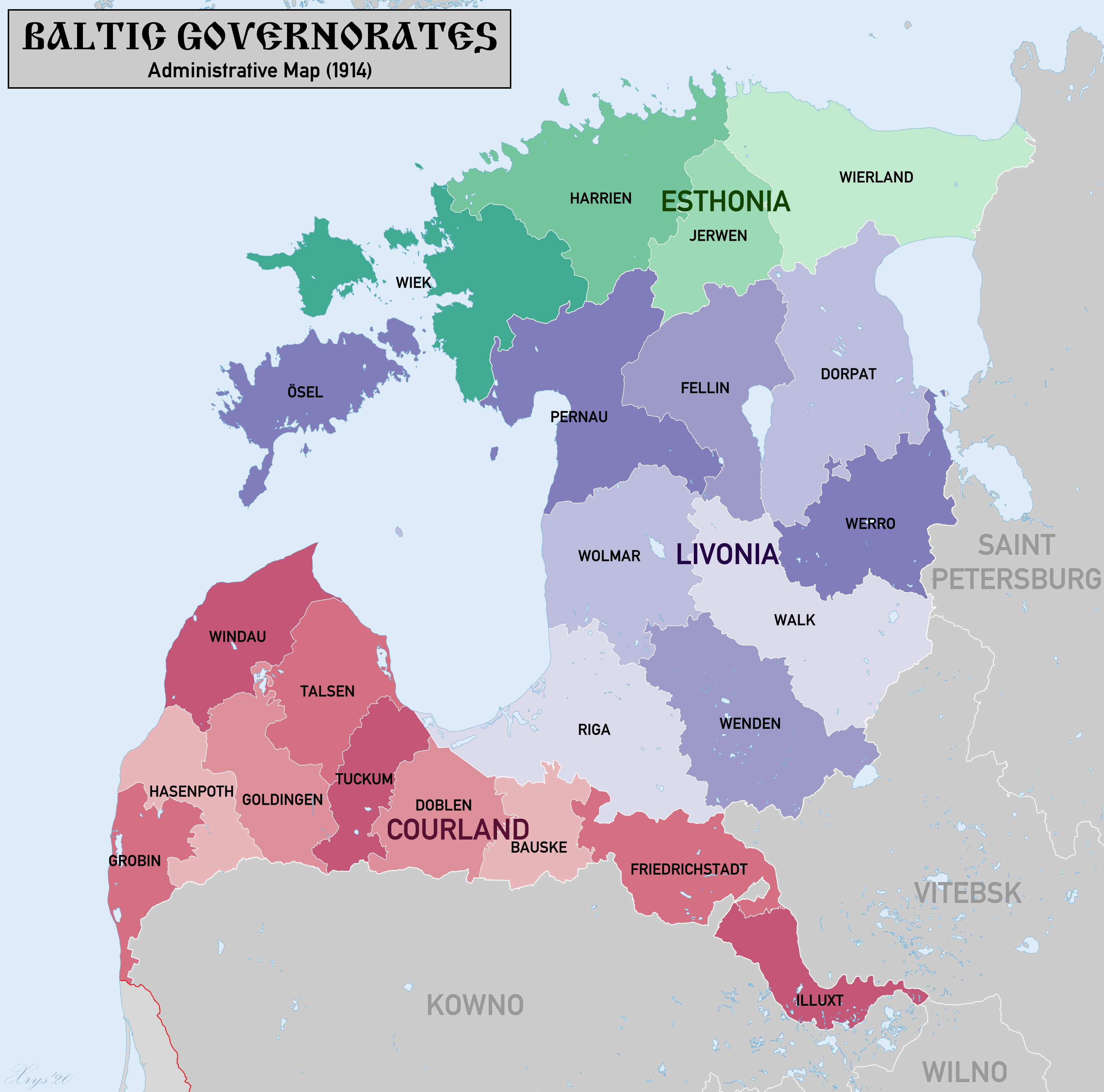
Over time, Latvia passed between different empires, including:
-
Kingdom of Sweden
-
Russian Empire
Under these powers, Latvian society experienced changes in administration, education, and religion.
Despite these changes, the Latvian language and folk traditions continued to survive among the population.
The Latvian National Awakening

4
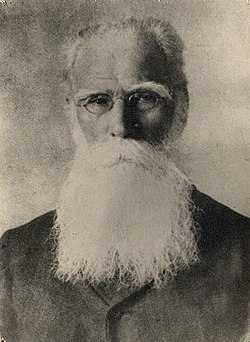
In the 19th century, a cultural movement known as the Latvian National Awakening began.
Latvian intellectuals and writers worked to preserve and promote national identity.
One key figure was
Krišjānis Barons,
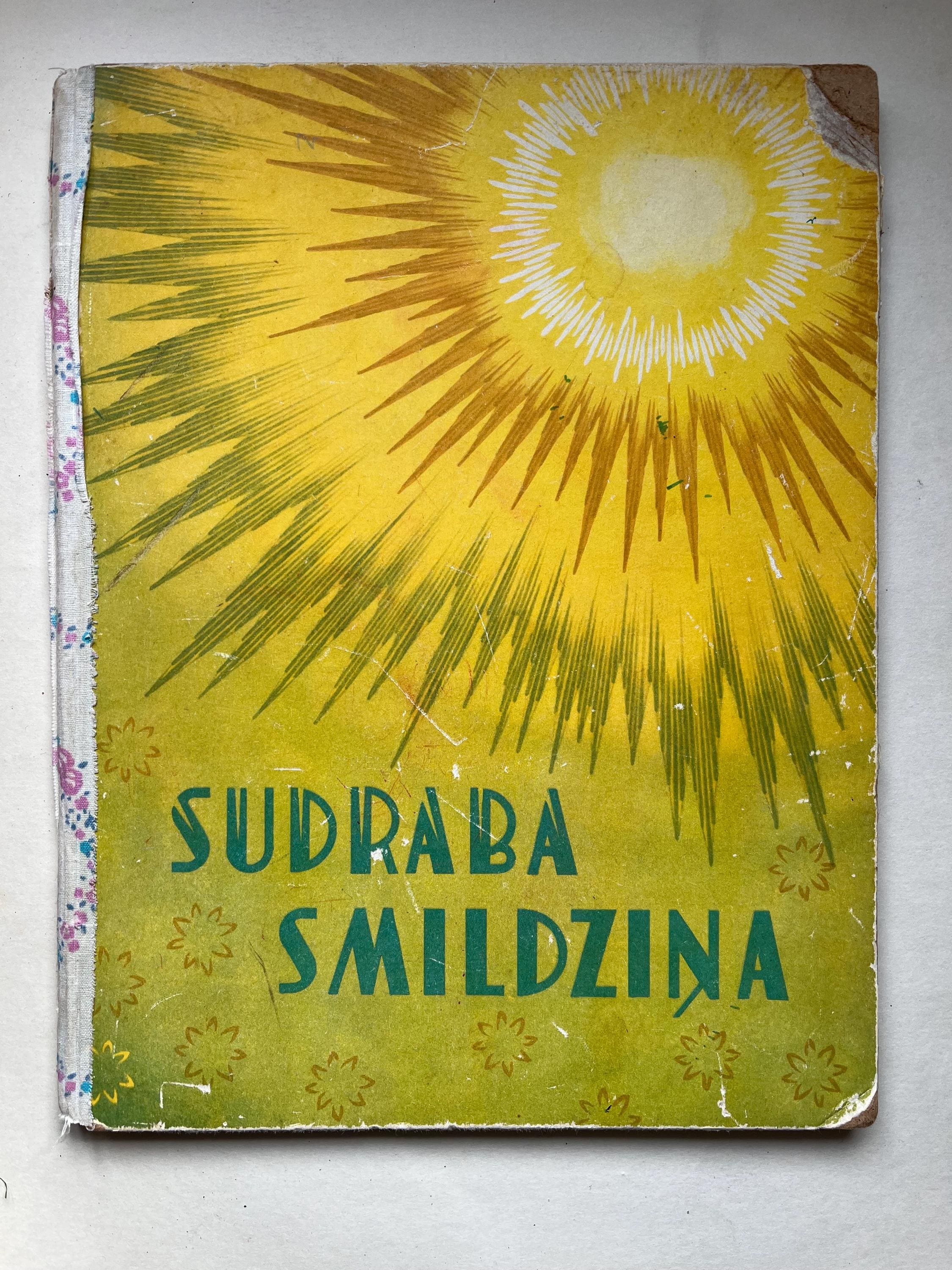
who collected and organized thousands of traditional dainas (folk songs).
These songs preserved:
-
history
-
values
-
cultural memory
The awakening also encouraged the use of the Latvian language in literature and education.
Proverbs 22:6
“Train up a child in the way he should go; even when he is old he will not depart from it.”
Through language and culture, national identity strengthened.
Independence and Loss


4
In 1918, following the collapse of the Russian Empire, Latvia declared independence.
For a brief period, Latvia existed as a sovereign nation.
However, this independence was disrupted during the 20th century.
Occupation in World War II


4
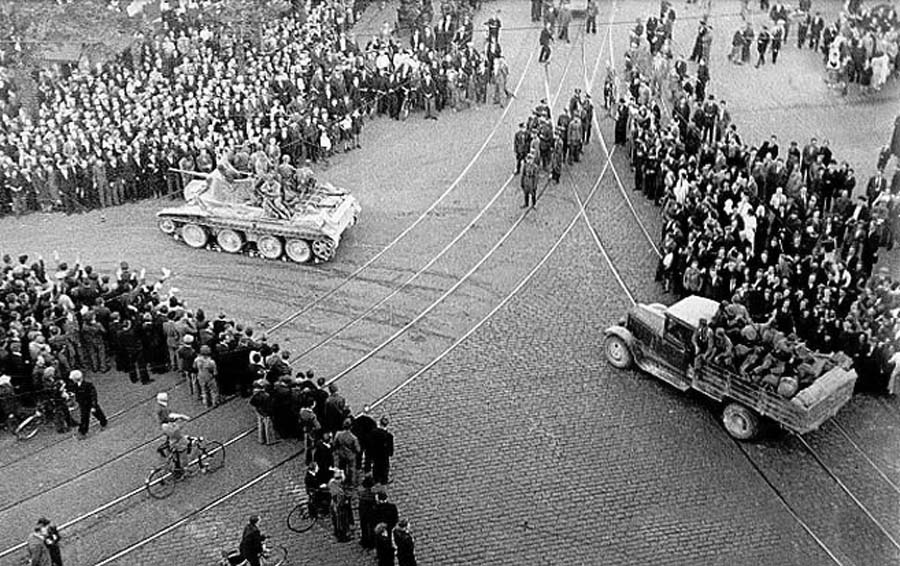
During World War II, Latvia experienced successive occupations.
First by the Soviet Union, then by Nazi Germany, and then again by the Soviet Union.
These occupations brought:
-
political repression
-
deportations
-
loss of life
-
suppression of national identity
Despite these hardships, Latvian culture survived.
Romans 5:3–4
“Suffering produces perseverance; perseverance, character; and character, hope.”
Life Under Soviet Rule


4
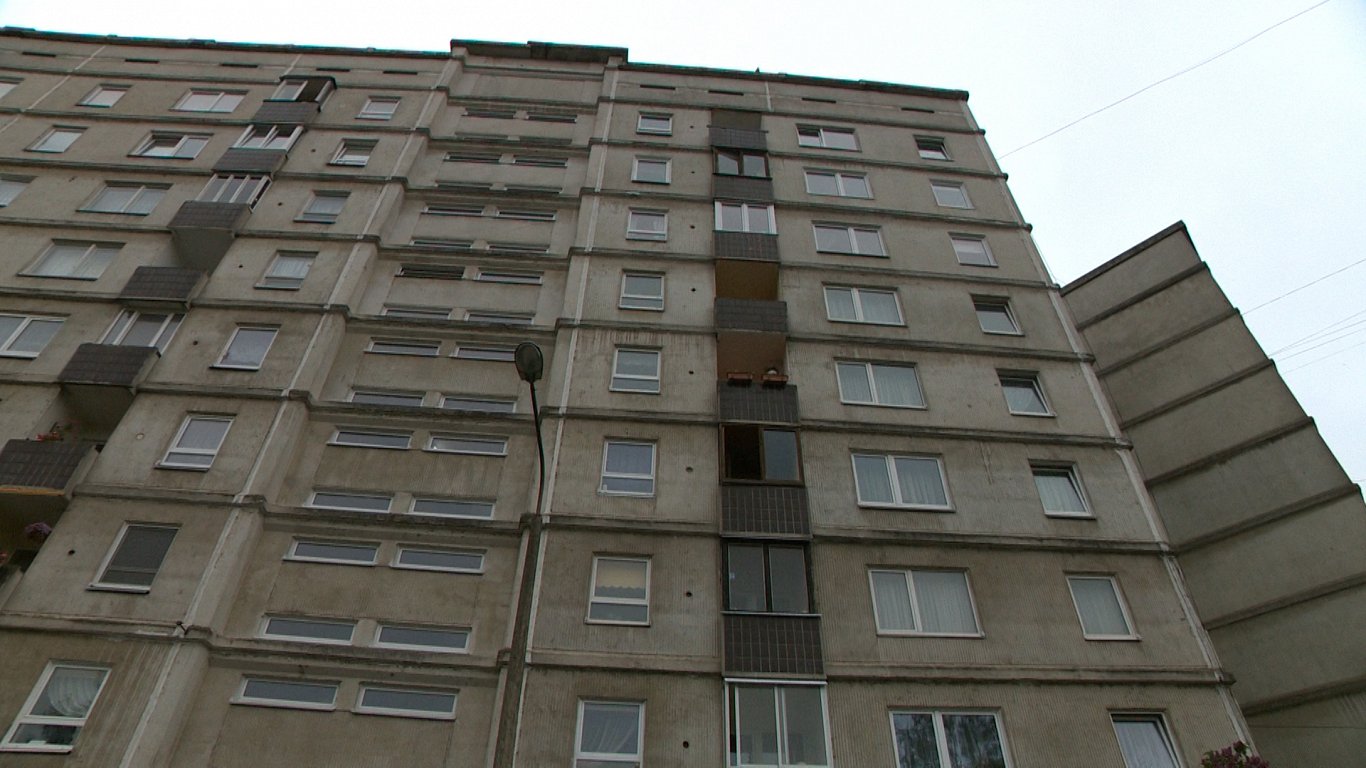
After World War II, Latvia remained part of the Soviet Union for decades.
During this time:
-
political freedoms were limited
-
cultural expression was controlled
-
national identity faced pressure
Yet Latvian language, traditions, and songs continued to be passed down.
The Path to Independence


4
In the late 20th century, movements for independence grew stronger.
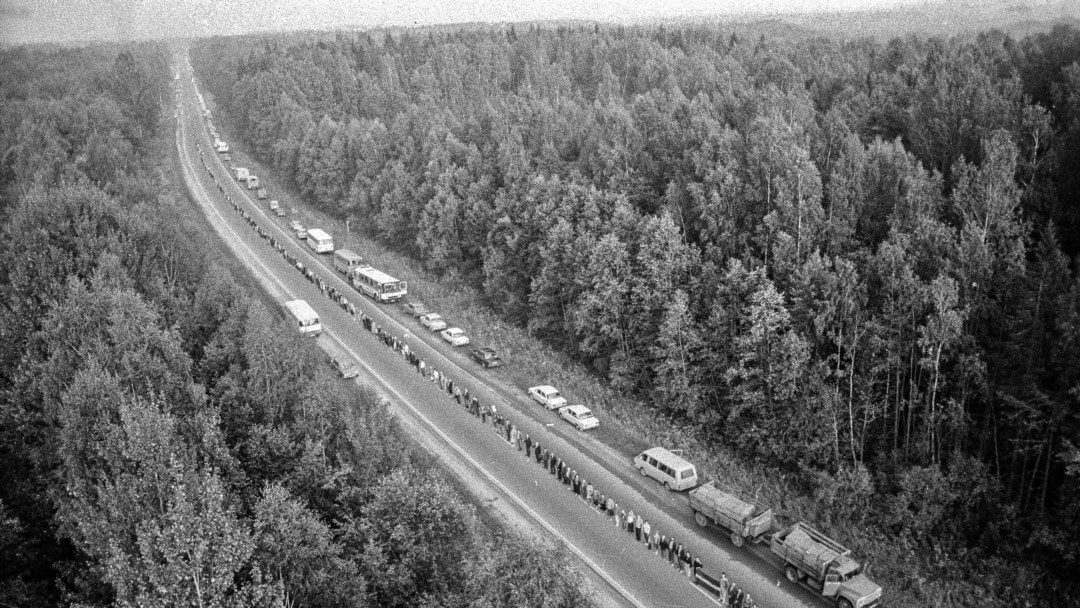
Latvia participated in peaceful demonstrations such as the Baltic Way, where millions joined hands across the Baltic states.
In 1991, Latvia regained its independence.
Ecclesiastes 3:1
“To everything there is a season, and a time for every purpose under heaven.”
Latvia Today: Identity Renewed

4
Today, Latvia expresses its identity through:
-
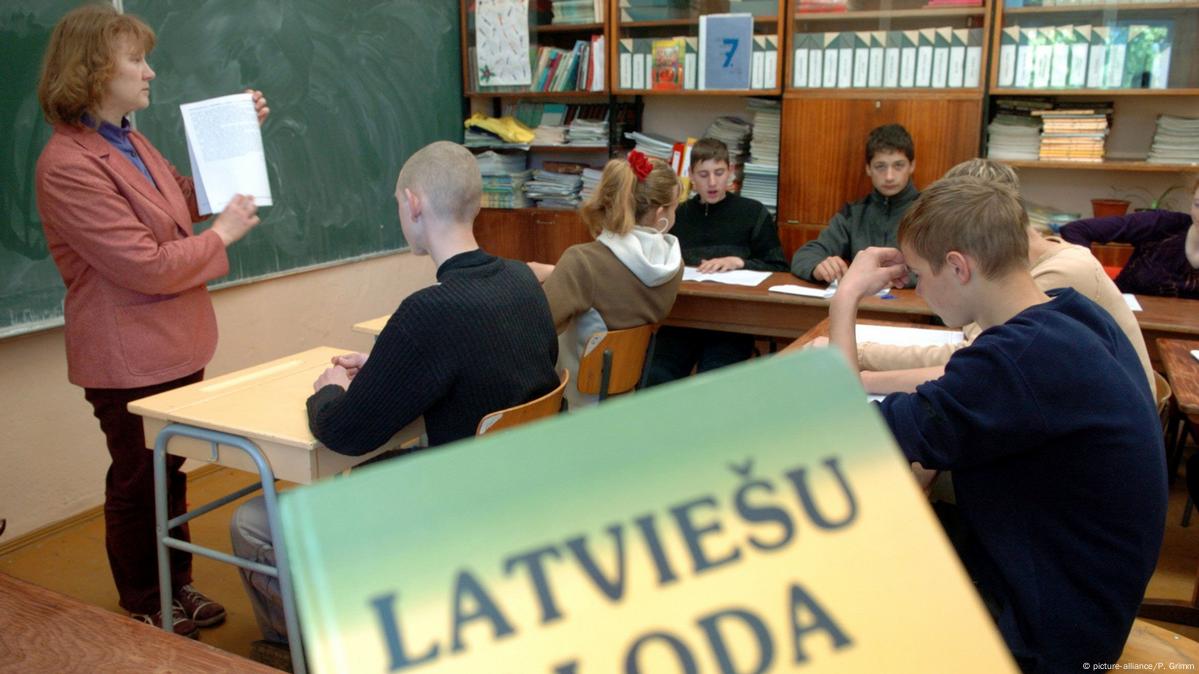
language
-
cultural festivals
-
education
-
national traditions
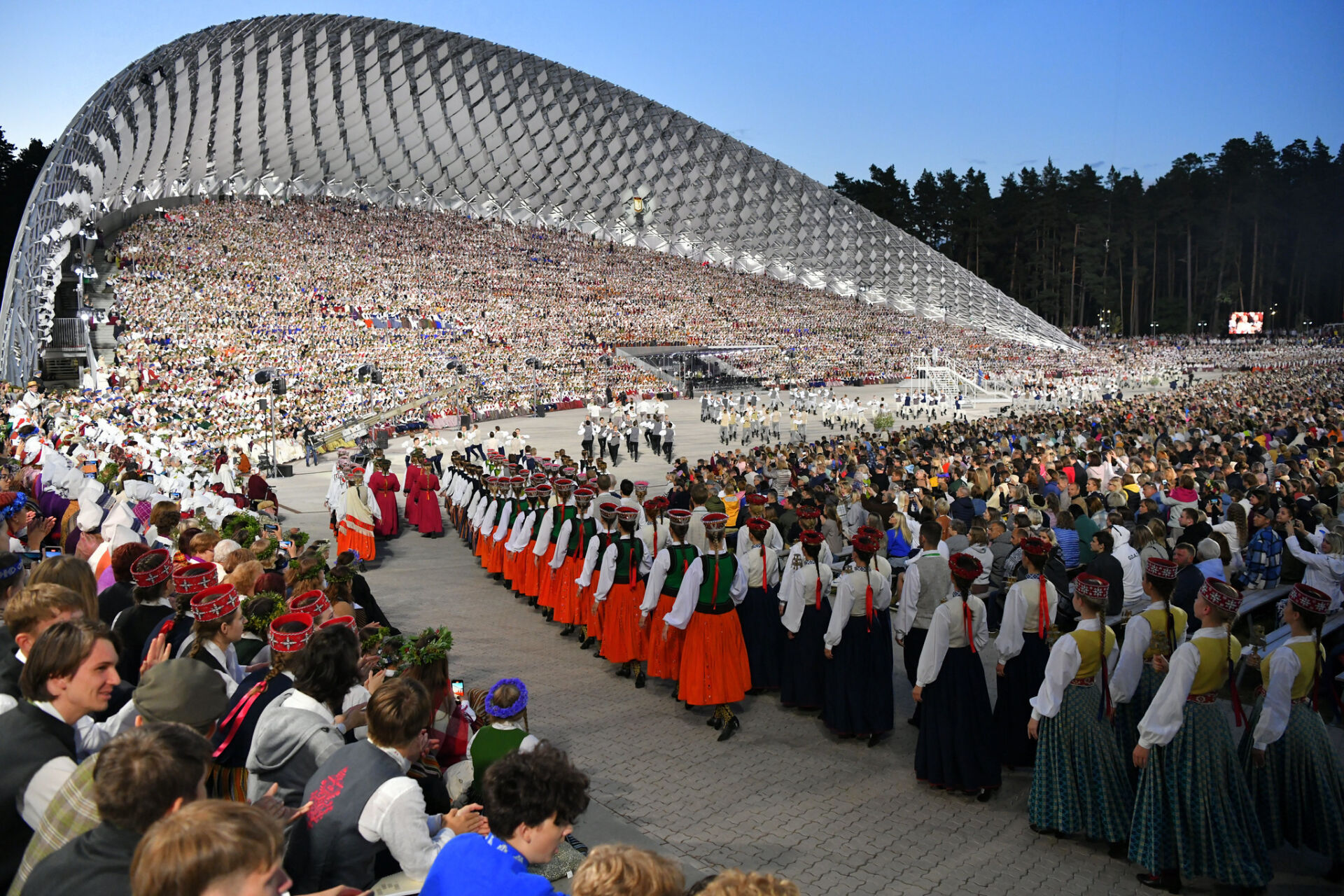
The Latvian Song and Dance Festival remains one of the most powerful expressions of national unity.
Ministry Reflection: Lessons from Latvia
The story of Latvia offers meaningful spiritual insights.
Identity Can Survive Repeated Hardship
Even multiple occupations did not erase Latvian culture.
Culture Lives Among the People
Traditions and language preserved identity when political systems failed.
Unity Brings Renewal
Peaceful unity helped restore independence.
Hebrews 11:1
“Faith is confidence in what we hope for and assurance about what we do not see.”
Prayer Points
Prayer for Latvia
Pray for continued unity, strength, and cultural preservation.
Prayer for Nations Under Pressure
Pray for countries experiencing political or cultural challenges.
Prayer for Healing
Pray for healing from historical trauma.
Prayer for Future Generations
Pray that identity and values will be passed down.
2 Chronicles 7:14
“If my people, who are called by my name, will humble themselves and pray… then I will hear from heaven.”
The Deeper Lesson
Latvia’s story reminds us that a nation is more than political control.
A nation lives in:
-
language
-
traditions
-
memory
-
community
Even through repeated occupation, identity can survive.
Coming Next in This Series
Part 10 — Georgia: Faith at the Crossroads of Empires
Georgia offers another powerful example of cultural survival, where ancient faith and identity endured through centuries of invasion and empire.
Its story reveals how resilience and belief can sustain a nation across time.
Similar Tags
Search
Subscribe
Donate



Your Statistics
For the care and safety of this prayer space, we gently record the time and location of each visit. This helps us protect sincerity while preserving anonymity.
Your Date and Time
IP Addres:
216.73.216.29
System
- OS Linux n
- PHP 8.3.30
- MySQLi 10.6.25-MariaDB-log
- Time 01:09
- Caching Disabled
- Gzip Disabled
- Users 6
- Articles 315
- Articles View Hits 6046
Website Visitors Map
About Greg Loucks
Greg Loucks is a writer, poet, filmmaker, musician, and graphic designer, as well as a creative visionary and faith-driven storyteller working at the intersection of language, meaning, and human connection. Born and raised in Phoenix, Arizona, he has lived in Cincinnati, Ohio; Hot Springs, Arkansas; Williams, Arizona; and Flagstaff, Arizona—each place shaping his perspective, resilience, and creative voice.

Address:
United States of America and Europe
Phone Numbers:
Arizona: (928) 563-GREG (4734)
Tennessee: (615) 899-GREG (4734)
Toll-Free: 888-457-GREG (4734)

Terms & Conditions
Subscribe
Report
My comments