


Kenya has become one of the most important new cases in the global protest landscape.
The 2024–2025 protests, often described as a Gen Z-led uprising, were triggered by a controversial tax bill—but quickly transformed into something much larger:
👉 A nationwide rejection of economic pressure, political leadership, and inequality
What makes Kenya especially significant is how clearly it reflects the modern protest model:
• Youth-led
• Digitally organized
• Rapidly escalated
• National in scope
⚡ The Trigger: The Finance Bill (Tax Protests)
The protests began in mid-2024 when the Kenyan government introduced a Finance Bill aimed at increasing taxes.
🔥 Proposed measures included:
• New taxes on essential goods
• Digital and mobile transaction taxes
• Increased cost-of-living pressures
For many citizens, this felt like:
👉 Being asked to pay more during an already difficult economic period
💥 Immediate Reaction
• Protests erupted in Nairobi
• Quickly spread nationwide
• Thousands of young people took to the streets
The message was simple:
👉 “We can’t afford this.”
📉 Deeper Causes: More Than Just Taxes


Like Chile and Colombia, the tax bill was only the spark.
The deeper causes were structural.
💰 Cost of Living Crisis
Kenya has faced:
• Rising food prices
• Fuel costs
• Inflation
For many citizens:
👉 Daily life has become increasingly unaffordable
👥 Youth Unemployment
A major factor:
• Large youth population
• Limited job opportunities
This created:
👉 A generation with high expectations—but limited opportunities
⚖️ Distrust in Government
Many protesters expressed frustration with:
• Political leadership
• Government spending priorities
• Perceived corruption
🔥 The Turning Point: Storming Parliament


One of the most dramatic moments occurred when:
👉 Protesters breached and entered Kenya’s Parliament building
This marked a major escalation.
It showed:
• The depth of public anger
• The breakdown of normal protest boundaries
The event shocked the country and drew global attention.
📱 Digital Power: A True Gen Z Movement

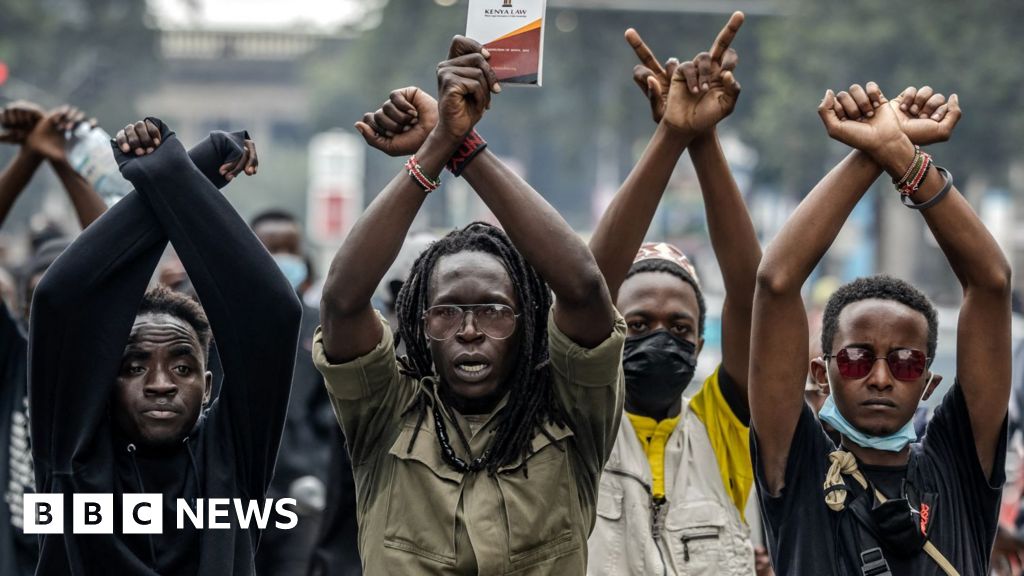
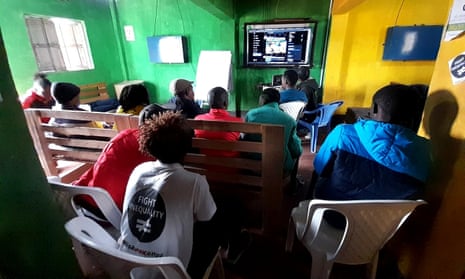
Kenya’s protests were heavily driven by digital coordination.
Platforms used:
• TikTok
• Twitter (X)
• Instagram
• WhatsApp
🔑 Key Features
• No central leadership
• Viral hashtags
• Real-time coordination
👉 This is one of the clearest examples of:
A fully digital-native protest movement
⚔️ Government Response

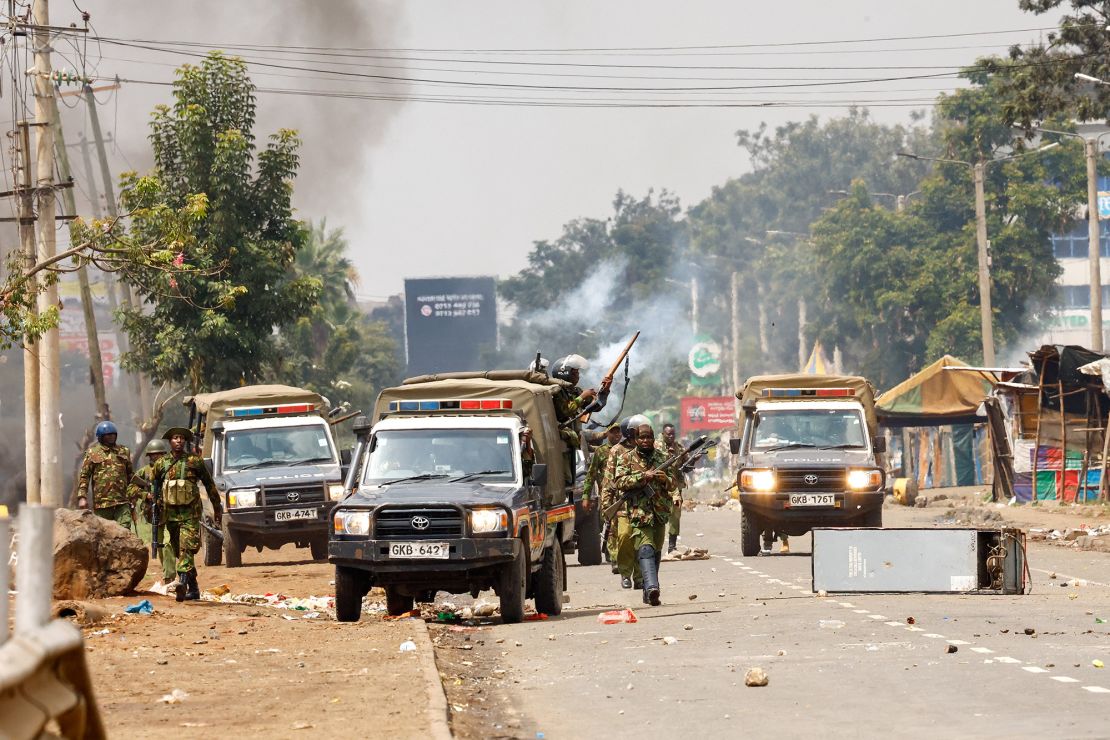
The government response was intense.
Reports included:
• Tear gas and live ammunition in some cases
• Mass arrests
• Use of force to disperse crowds
There were also:
• Casualties reported
• International concern
⚖️ Political Response
Facing pressure, the government:
• Withdrew or revised parts of the tax bill
• Promised reforms
👉 But many protesters felt:
The response did not go far enough
🧠 Why Kenya Matters
Kenya is one of the clearest examples of the next phase of global protest movements.
🔑 Key Takeaways
1. Gen Z as the Driving Force
Young people are now leading large-scale movements.
2. Digital-First Mobilization
Organization happens online first, then in the streets.
3. Rapid Escalation
Protests can move from peaceful to critical in days.
4. System-Level Frustration
Not just policies—but the entire system is questioned.
🌍 Kenya in the Global Pattern
Kenya aligns closely with:
• 🇨🇱 Chile → cost-of-living protests
• 🇨🇴 Colombia → tax trigger → national unrest
• 🇫🇷 France → economic revolt
• 🇭🇰 Hong Kong → leaderless, digital movement
🔁 Pattern Match:
-
Economic trigger
-
Youth mobilization
-
Digital amplification
-
Mass protest
-
Escalation
-
Partial government response
🔮 What Happens Next?
Kenya is likely to experience:
👉 Continued cycles of protest
Future triggers could include:
• New economic policies
• Political tensions
• Election cycles
🧠 Final Reflection
Kenya represents a powerful new reality:
👉 The next generation is no longer waiting for change—they are demanding it now
It shows that:
• Digital tools are accelerating protest movements
• Economic pressure is a global driver
• Governments are being tested in new ways
🔚 Key Insight
Kenya is not just a protest story—
it’s a preview of the future of global uprisings.






Terms & Conditions
Subscribe
Report
My comments